
Last updated November 18, 2026
 Sliding glass doors
 Single hung
 Double hung
 Horizontal roller
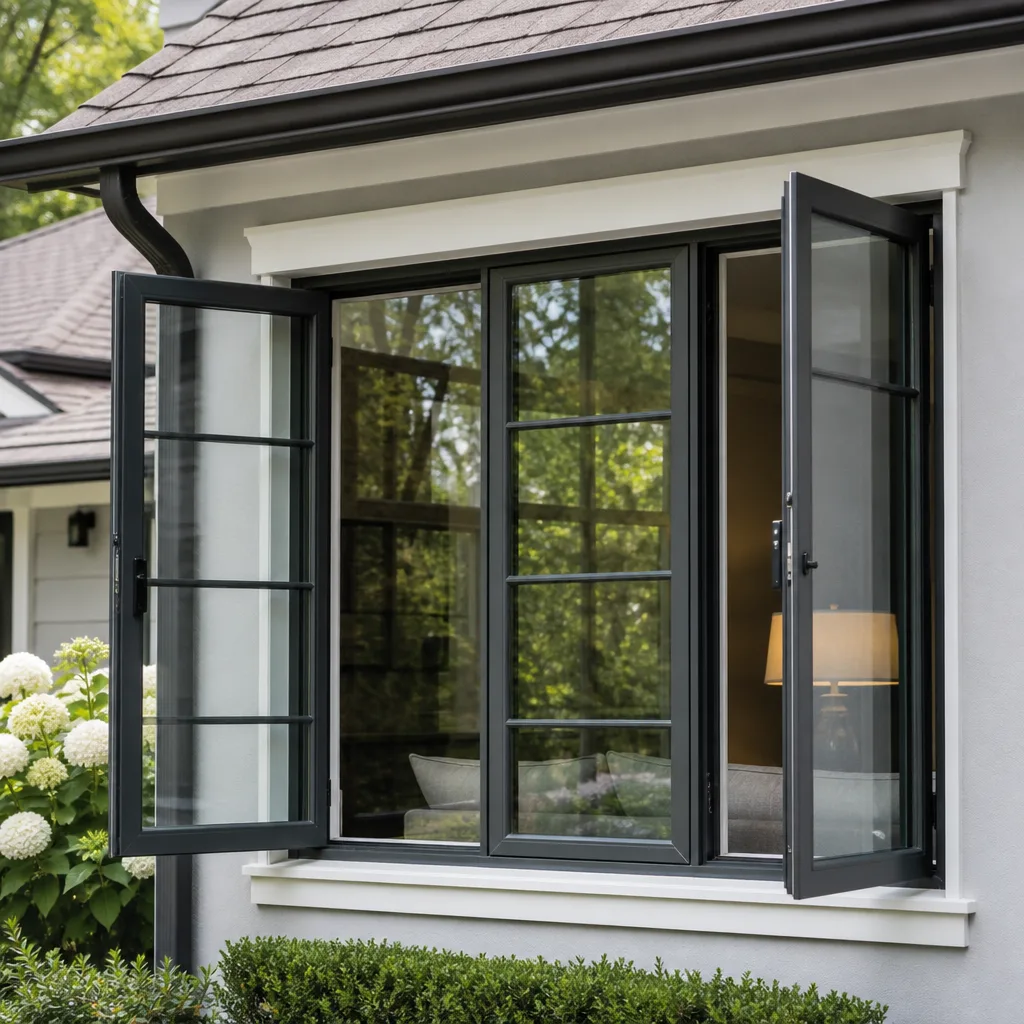 Casement
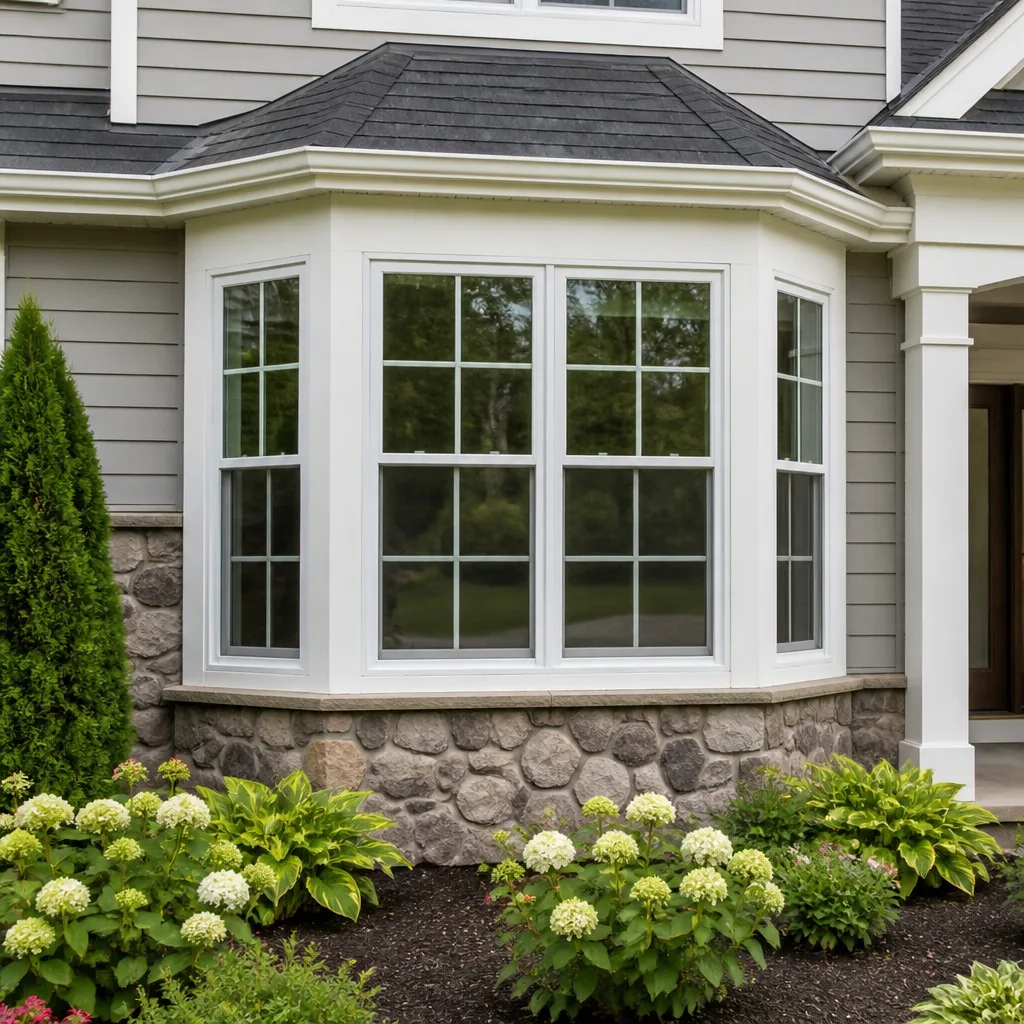 Bay & bow
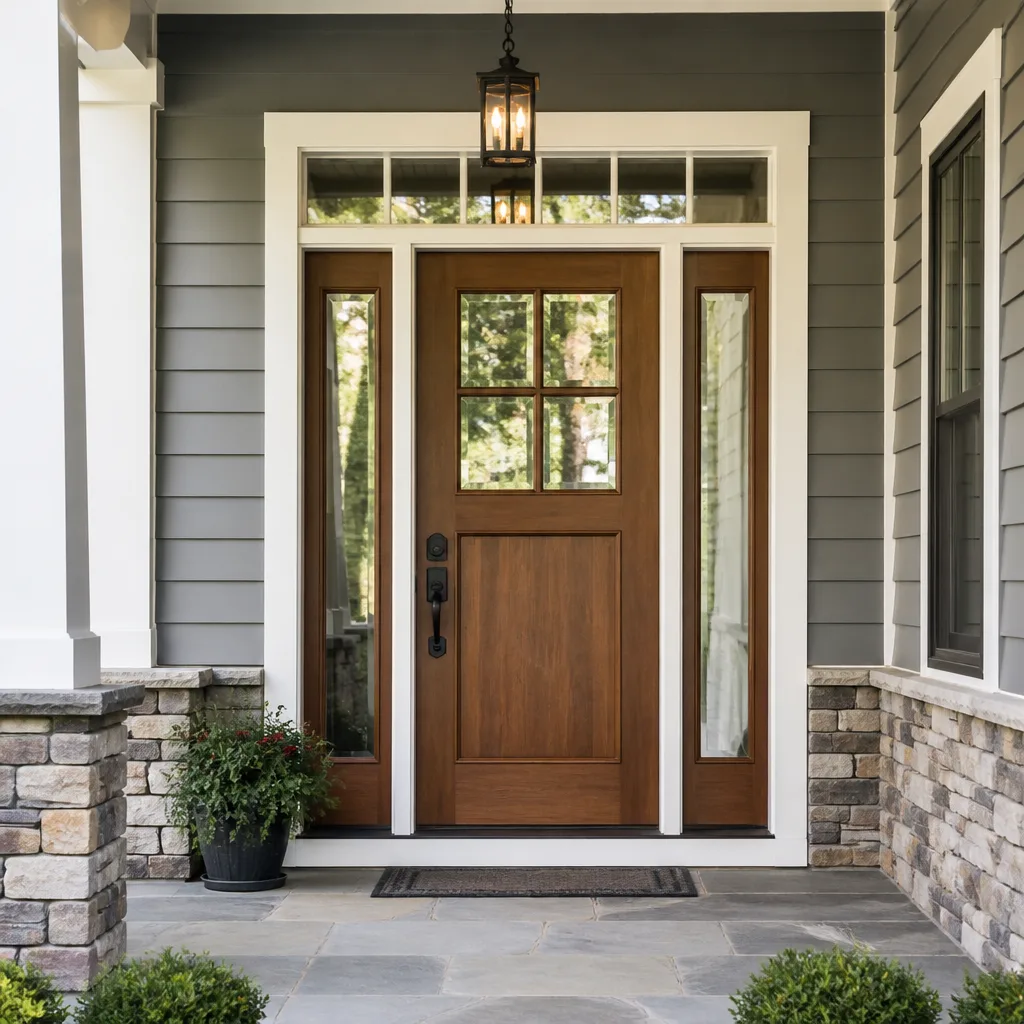 Entry doors
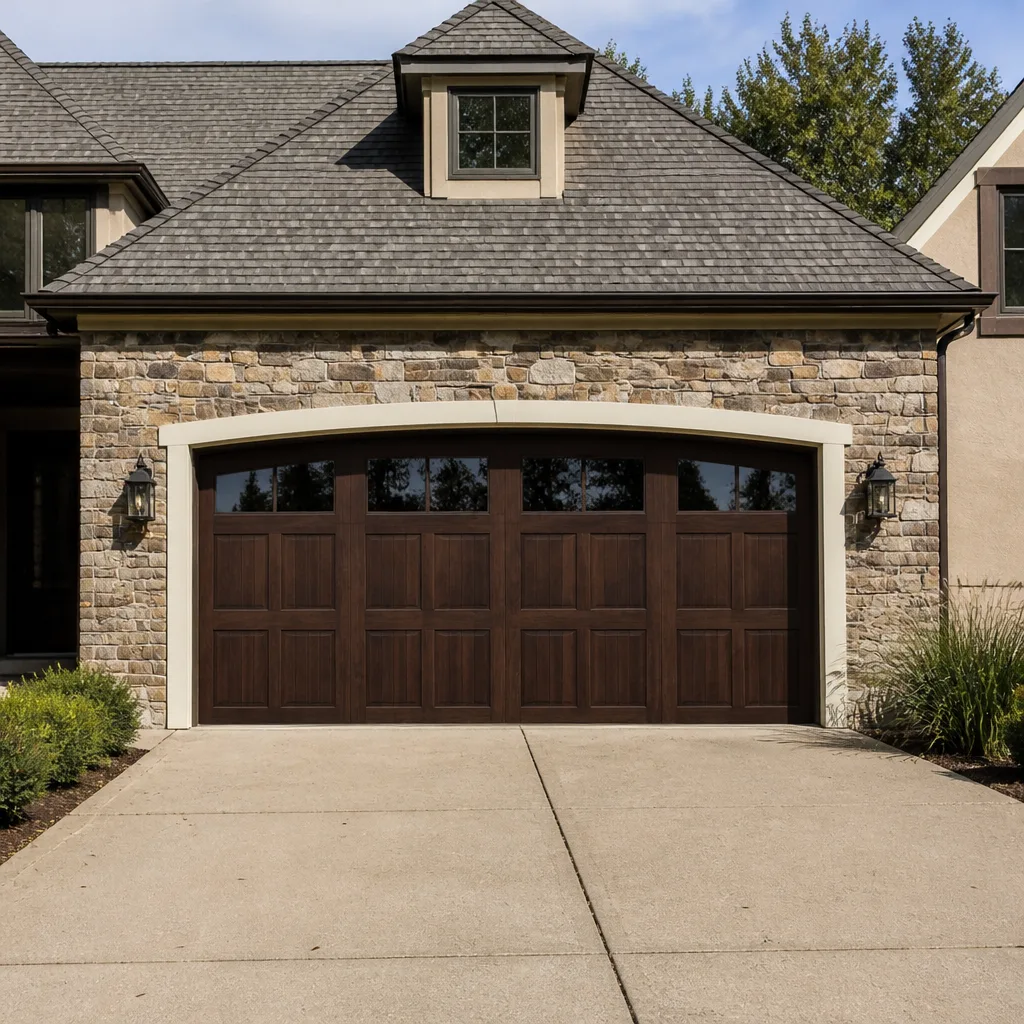 Impact garage doors
 PGT
 CGI
Free in-home measure and quote - PGT, CGI and CWS impact lines compared on your actual openings, style by style
Get your free estimateThe Complete Guide to Windows & Doors in Boulder City
Boulder City sits at roughly 2,500 feet, and on a still July afternoon the ground around a west-facing wall can read above 160°F. That single number disqualifies several frame materials that regional guides happily recommend for the Las Vegas valley floor. This guide treats Boulder City as its own thermal and regulatory category: the elevation, the reflected heat off Lake Mead, the dry overnight swings, and the historic design controls that shape what you’re even allowed to put on your house. You’ll learn which materials hold up here, how Boulder City’s design review affects your choices, and what has to be in writing before any job is done.
Quick Answer
For most Boulder City homes, fiberglass or aluminum-clad wood frames with a high-UV-rated low-e coating outperform standard vinyl, and every installation should come with both warranty layers registered in writing before the crew leaves. Homes inside the designated historic areas also need to clear the city’s design review on exterior color and profile before ordering. The right answer depends on elevation, sun exposure, and whether you’re inside a historic district.
Styles & brands we work with
- Single hung
- Double hung
- Horizontal roller
- Casement
- Bay & bow
- Sliding glass doors
- Entry doors
- Impact garage doors
- PGT
- CGI
Table of Contents
- Why Boulder City Is Not Las Vegas: The Thermal Envelope
- Frame Materials, Matched to Boulder City Conditions
- Glass and Low-E Coating: Why Phoenix Specs Underperform Here
- Historic District Design Review and What It Limits
- Doors in Boulder City: Entry, Patio, and Sliding
- Warranty Layers: What Must Be Registered in Writing
- What Windows and Doors Run in Boulder City
- The Installation Sequence, Step by Step
Why Boulder City Is Not Las Vegas: The Thermal Envelope
The valley floor gets hot. Boulder City gets hot and then does something different. At elevation, the air thins and the sun’s ultraviolet load intensifies, while Lake Mead’s water mass pushes humidity up during the day and pulls overnight temperatures down faster than in the city. A window in Boulder City expands through a wider daily range than the same window in Henderson, and it does it hundreds of times a year.
That cycling is what breaks joints, warps sashes, and pulls weatherstripping loose. Materials that tolerate steady heat but dislike rapid change will fail here before they fail down the hill. We’ve opened up twenty-year-old frames in Boulder City where the sash corners had separated by a visible gap, and the homeowner couldn’t understand why a “good” window had gone bad. It hadn’t. It had cycled.
The three pressures specific to this town
- Reflected heat off Lake Mead. West- and south-facing glazing near the water catches direct sun plus bounce, which drives surface temperatures far past air temperature.
- Low overnight humidity. The dry night air pulls moisture out of wood sashes and joint seals, then the day pushes heat back in. That is the cycle that fatigues and cracks.
- Elevation UV. Thinner air means less atmospheric filtering. Coatings rated for valley conditions may not hold their performance here for the full rated life.
Nevada’s climate zones are mapped by county for the energy code, but a Boulder City homeowner should think in terms of their own wall’s exposure. A north-facing dining room window and a west-facing kitchen window on the same street live in different thermal worlds.
Frame Materials, Matched to Boulder City Conditions
This is where generic advice fails first. Frame material governs how a window manages thermal cycling, and Boulder City’s cycling is severe. Here is how the main options actually behave in this town.
Vinyl
Standard vinyl performs well in steady heat and poor in rapid cycling. On the brighter exposures, cheaper extrusions will bow within a decade, and once a sash bows, the seal opens and the pane fogs. Higher-grade vinyl with internal reinforcement can hold up, and we install plenty of it on shaded elevations where the cycling load is lighter. Consider it a good value product, not a universal one.
Fiberglass
Fiberglass expands and contracts at a fraction of the rate of vinyl, which is exactly what Boulder City’s daily swing rewards. Pultruded fiberglass frames keep their shape through heat and cold cycles, and the coat finishes on quality lines (we install ECO Window Systems and others) hold color under high UV. It costs more than vinyl, and in our experience it is the material most likely to still be true after fifteen summers here.
Aluminum-Clad Wood
Wood on the inside for look and feel, an aluminum skin outside to take the sun. This is a strong choice for Boulder City homes where interior character matters, and the cladding protects the wood from the dry air and the sun. The cladding has to be properly finished and the joints sealed during installation, or driving rain and dust work their way in. Marvin and Andersen both build solid versions of this.
Aluminum
Aluminum is durable and dimensionally stable but conducts heat aggressively. Unbroken thermal barriers will sweat and bleed heat, so if you go aluminum, insist on a thermally broken frame. On shaded or north elevations, well-built aluminum is a fine long-term choice.
Glass and Low-E Coating: Why Phoenix Specs Underperform Here
Low-e coatings are rated by solar heat gain coefficient, visible light transmission, and UV protection. Those ratings are tested under standard conditions that don’t match Boulder City’s mix of intense daytime sun and cool winter nights. A coating tuned for Phoenix’s sustained heat may block enough solar gain to keep cooling costs down but leave the glass cold on a January morning, which produces condensation and eventually seal failure at the edge.
The better approach for Boulder City is a coating with strong UV protection and a solar heat gain coefficient set for both summer blocking and winter pass-through, matched to the window’s exposure. East and west windows need heavier blocking. North windows can accept more light and gain. South windows need a middle spec, and shading helps every orientation.
What we look at before specifying glass
- Orientation and shade for each opening, taken on site, not assumed from a plan.
- Interior room use: bedrooms tolerate different glass than kitchens and sunrooms.
- Winter overnight low on the wall’s exposure, which drives condensation risk at the edge seal.
- Whether the home falls inside a historic district, which can govern visible glass tint.
Dual-pane should be the floor for most Boulder City homes. Triple-pane has its place, but on high-sun exposures the added weight and cost doesn’t always earn its keep. Ask for the numbers on paper and compare them side by side.
Historic District Design Review and What It Limits
Boulder City was built as a federal company town in the 1930s, and the original town site carries design controls that most Clark County communities don’t. If your home sits in a designated historic area, exterior changes to windows and doors can require review and approval before the work begins. That review can cover color, mullion and profile pattern, material appearance, and how the replacement reads from the street.
This is not a formality. Ordering product before approval, then discovering the color or divided-light pattern doesn’t conform, is one of the most expensive mistakes we see. The windows are already cut, and they can’t be returned as a special order.
What typically matters in review
- Visible profile. The sash and mullion dimensions as seen from the street, not the whole frame’s dimensions.
- Exterior color. Historic controls often restrict to established palettes. Brown-red and off-white are common; bright whites and modern gray often aren’t.
- Divided lights or grille pattern. The window’s visible grid has to match the streetscape character.
- Door style and hardware position. Entry doors read strongly from the street and get close attention.
Homeowners outside a historic district still face ordinary city permitting for structural changes, egress windows, and door openings. A responsible installer handles the paperwork and won’t start until it clears. You can read more about the specifics on our Window Installation in Boulder City page, where we break out the permitting sequence.
Doors in Boulder City: Entry, Patio, and Sliding
Doors in Boulder City deal with the same thermal cycling as windows, plus the traffic of daily use. An entry door that binds in July and swings free in January hasn’t been hung wrong; the frame has moved, and the door hasn’t been set to accommodate it. We see it on fiberglass and wood entry doors that were installed without allowance for the seasonal shift.
Entry doors should be solid-core or fiberglass for durability in this climate, with a finish coat that resists UV. Therma-Tru builds fiberglass entry systems that hold up well here when correctly hung. Sliding patio doors want the same attention: the track has to be set level and drainage planned, or summer dust works into the rollers and the door sticks by August.
Doors we see in Boulder City homes
- Entry doors. Fiberglass and aluminum-clad wood for durability and appearance. Steel is uncommon because of the dry air and interior condensation risk.
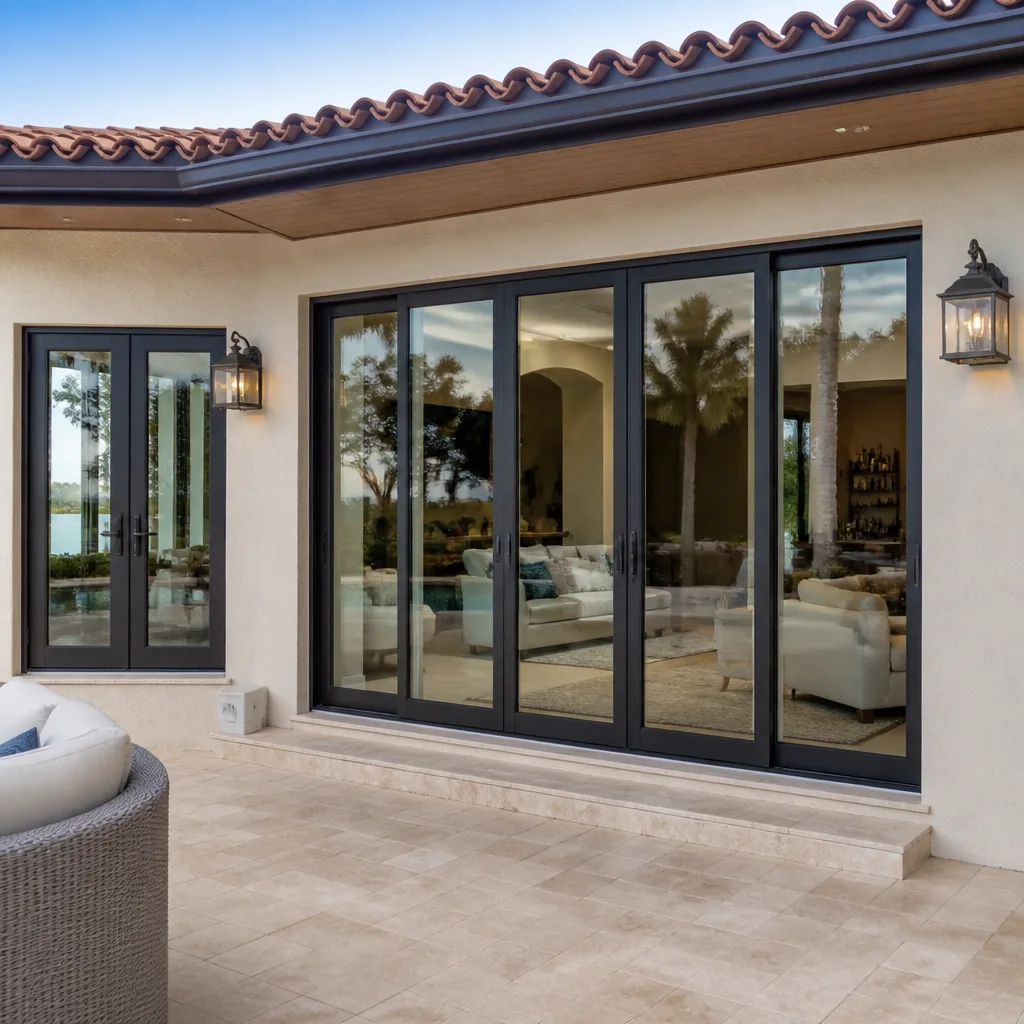
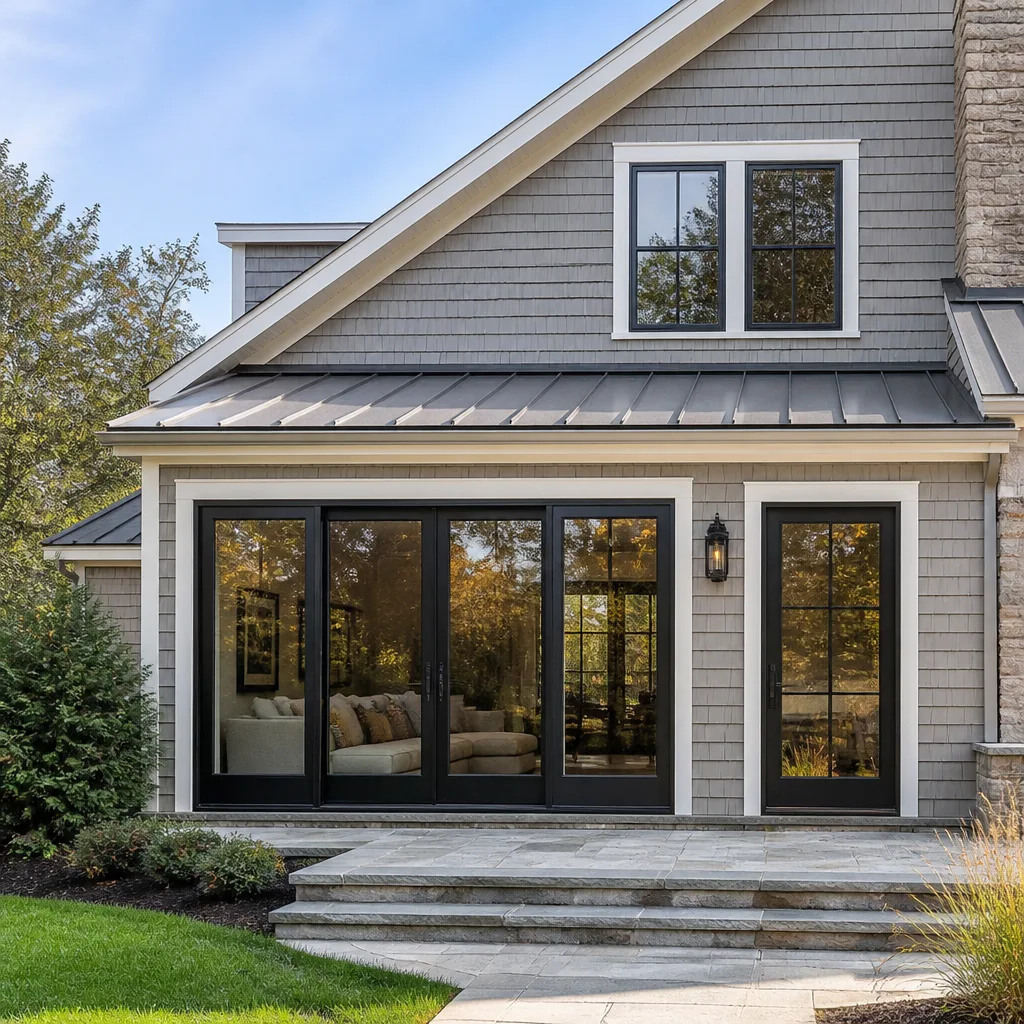
- Sliding patio doors. The classic provision for Boulder City patios. The glass spec matters as much as the door; a poorly coated slider becomes a heat radiator.
- Folding and multi-panel doors. Increasing on homes with covered patios. Wind load and header strength are the deciding factors.
- Glass railings. Common on elevated patios. Check hardware and anchoring against wind-load requirements.
Our Door Installation in Boulder City page covers hardware and threshold specs in more detail.
Warranty Layers: What Must Be Registered in Writing
There are two warranties on every window and door job, and they are not the same. The manufacturer’s warranty covers the product: glass seals, frame integrity, finish, and hardware. The installation warranty covers the labor: sealing, flashing, leveling, and the fit. A homeowner who gets only the product warranty, or who never receives either in writing, has no recourse when the problem turns out to be installation-related.
Most manufacturer warranties require registration within a set window after purchase. Miss it, and the coverage can be void before the first summer. This is one of the quiet ways homeowners get hurt: the product failed, but nobody registered it. The Keystone Standard exists to close that gap. Both warranty layers are registered in writing, with durations stated, before the crew leaves the driveway. Combined with the 90-Day Done Right Promise, that means the workmanship is covered for 90 days regardless of what the manufacturer decides.
What to ask for before the crew leaves
- Manufacturer warranty documents with the registration confirmation attached.
- The installation warranty, in writing, with its coverage period stated.
- A signed and dated completion record for the job.
- A phone number that a live person answers if something goes wrong.
What Windows and Doors Run in Boulder City
Window and door pricing depends on size, material, glass package, number of openings, and whether historic review adds a compliance step. Here is a general range for Boulder City homes, based on the material and glass packages most common here.
| Work | Typical Range |
|---|---|
| Vinyl double-hung window, per opening | $500 – $900 |
| Fiberglass double-hung window, per opening | $800 – $1,400 |
| Aluminum-clad wood window, per opening | $1,100 – $2,000 |
| Entry door with frame, installed | $1,800 – $3,500 |
| Sliding patio door, installed | $1,500 – $3,800 |
| Full-home replacement (12 to 18 openings) | $9,000 – $28,000 |
These are ranges, not bids. Exact pricing depends on the specific openings, and we provide line-item quotes on paper. Call (844) 560-0350 for a free estimate. We don’t do surprise line items on the bill, and pricing is quoted upfront.
The Installation Sequence, Step by Step
A window or door done right follows the same sequence every time. The sequence is what protects the thermal envelope, and skipping steps is how leaks and draft come back. Here’s the sequence we use on Boulder City homes.
- Site assessment. Every opening is measured and the exposure recorded. Historic review status is confirmed.
- Product selection. Manufacturers are quoted side by side on paper, including Andersen, Pella, Marvin, Milgard, and PGT, so the homeowner can compare.
- Permitting and review. Structural changes and historic controls are cleared before product is ordered.
- Removal and framing check. The old unit comes out, rotted framing is repaired, and the rough opening is checked for level and square.
- Flashing and sealing. The opening is flashed and sealed before the new unit is set. This is the step most often skipped in a hurry.
- Setting and shimming. The unit is set, shimmed for the seasonal shift, and checked for plumb.
- Insulation and interior trim. The cavity is insulated and the interior trim finished.
- Warranty registration. Both manufacturer warranty layers are registered in writing before the crew leaves.
Most jobs are completed in a single visit when the product is on hand. Glass replacement, sealing, and repair work can usually be done same day. Full replacement depends on product lead time, and a written timeline comes with the quote. See our Window Replacement in Boulder City page for lead-time details by product line.
Common Mistakes to Avoid
- Ordering before historic review clears. In Boulder City’s designated historic areas, ordering windows before approval is confirmed can leave you with non-conforming custom product you can’t return. Confirm review status first.
- Buying a Phoenix-spec glass package on a west-facing wall. The coating may block too much winter solar gain and produce edge condensation on cold mornings. Match the coating to exposure.
- Accepting only the manufacturer warranty. The installation is where most problems start, and the manufacturer likely won’t cover it. Insist on both warranty layers in writing.
- Overlooking the overnight swing when shimming. A door that binds in July and swings free in January was shimmed without allowance for thermal movement. A proper install anticipates it.
- Choosing frame material by cost alone. Vinyl is fine on shaded elevations and a poor choice on the bright west side. Material should follow exposure, not the bid.
- Skipping flashing in favor of caulk. Caulk is cosmetic. Flashing is what drives water out. A job without flashing will leak at the first wind-driven rain.
- Letting the warranty registration lapse. Manufacturer registration windows are short, and a missed window can void coverage entirely. Get proof of registration before the crew leaves.
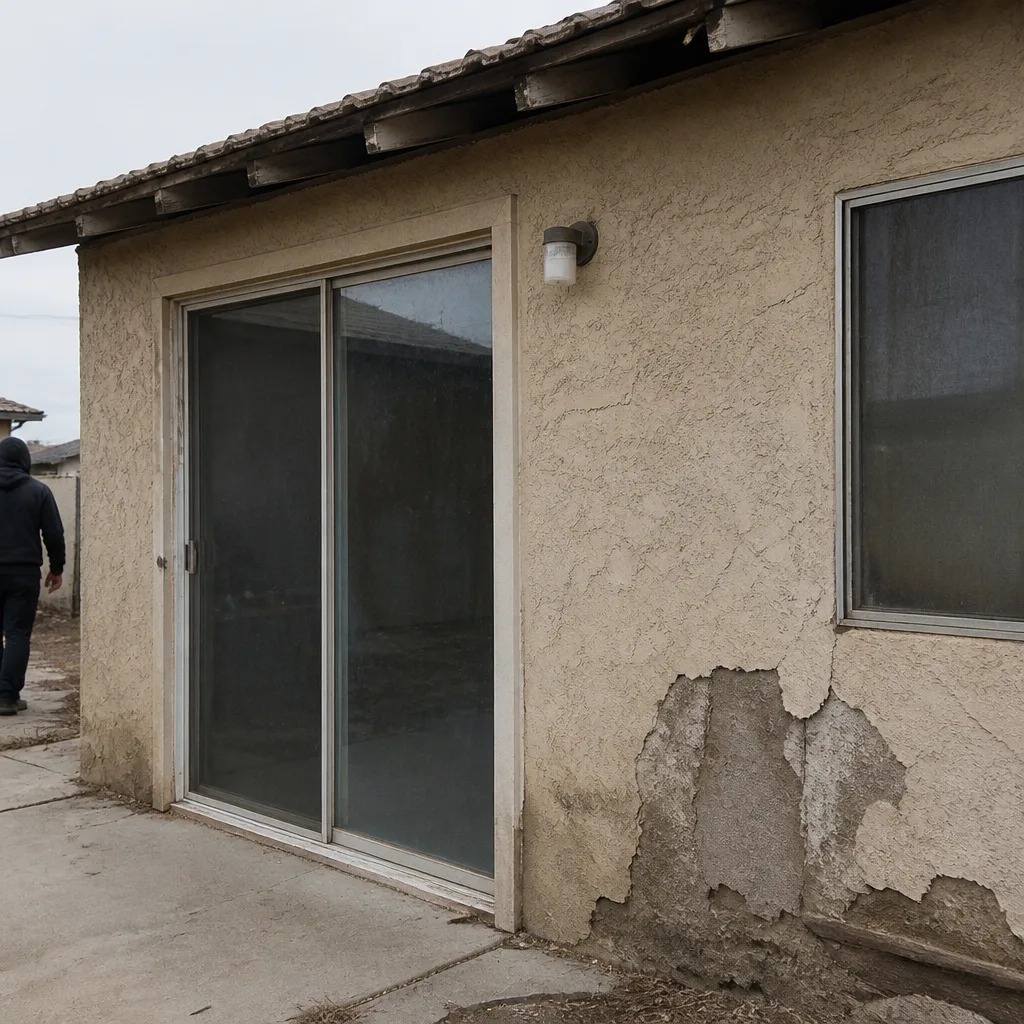
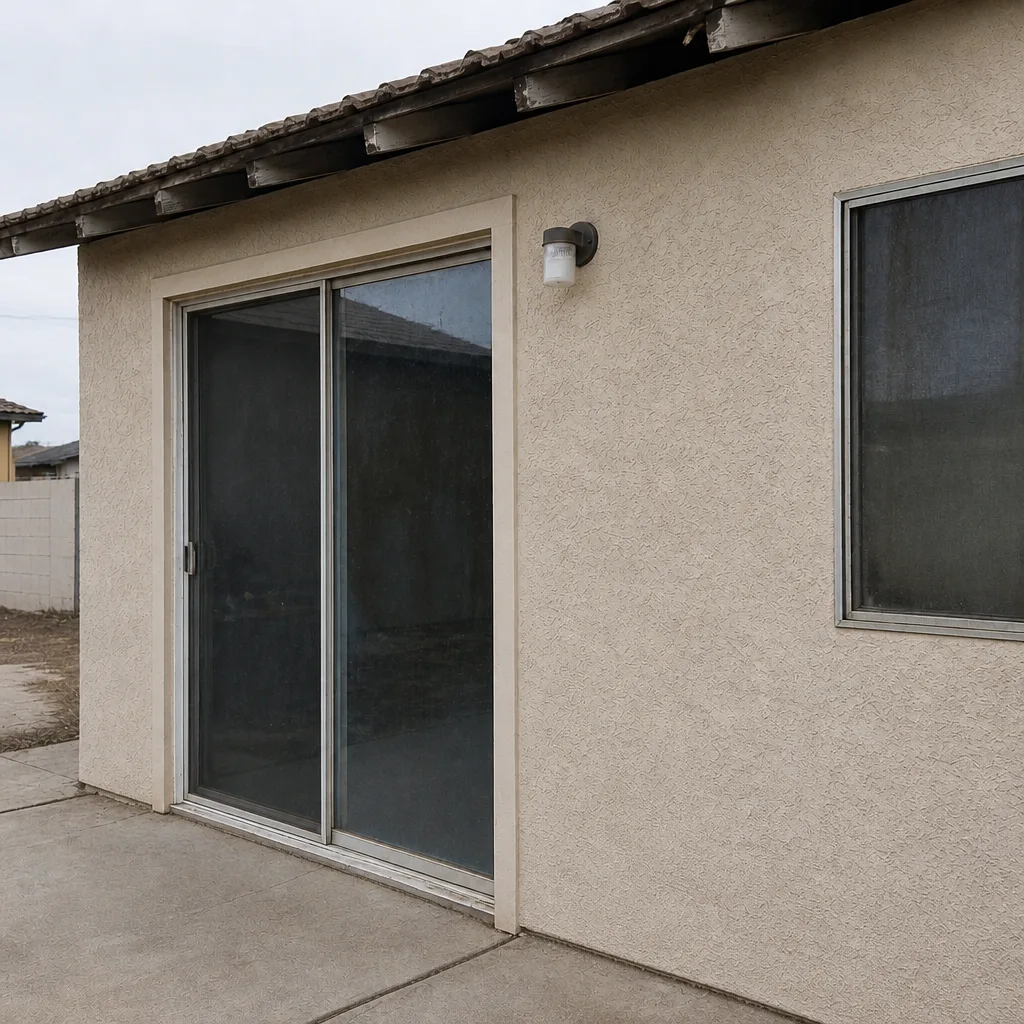
See the difference
 Before
 After
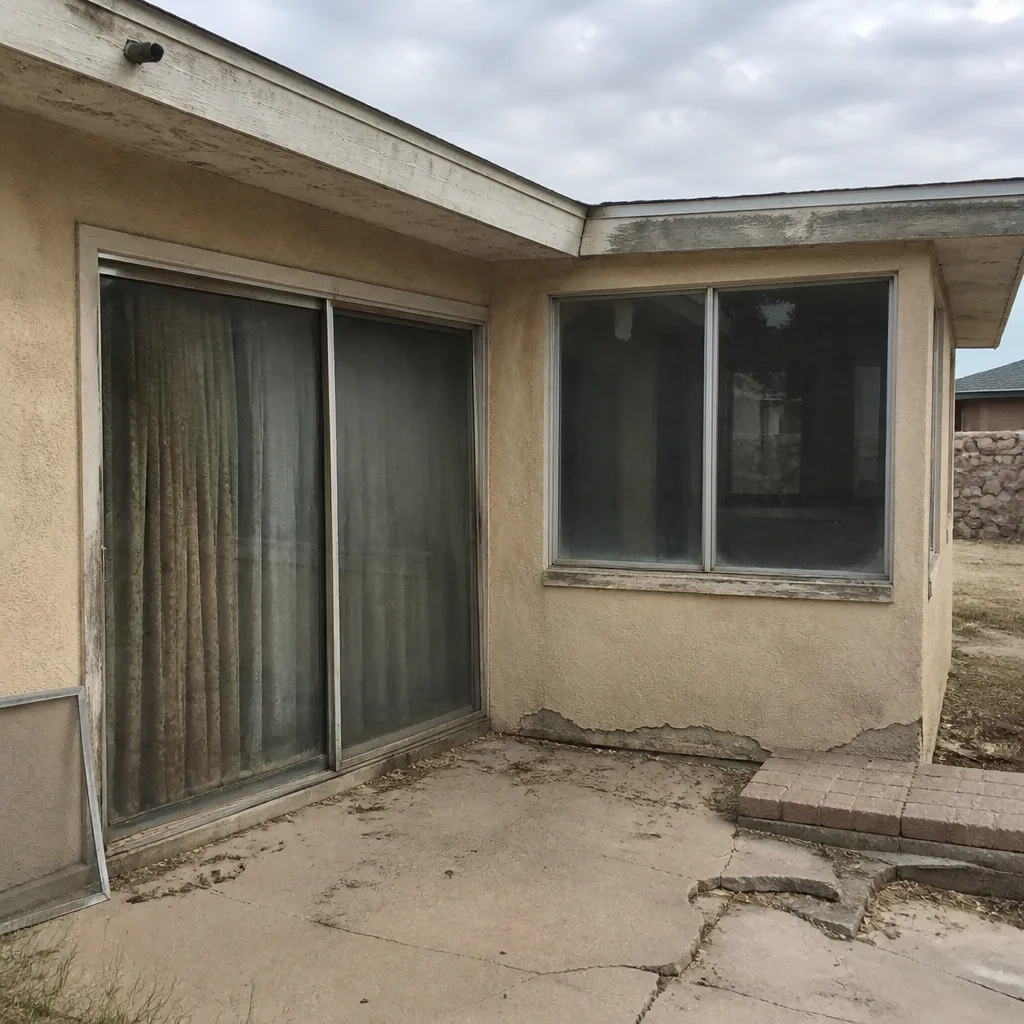 Before
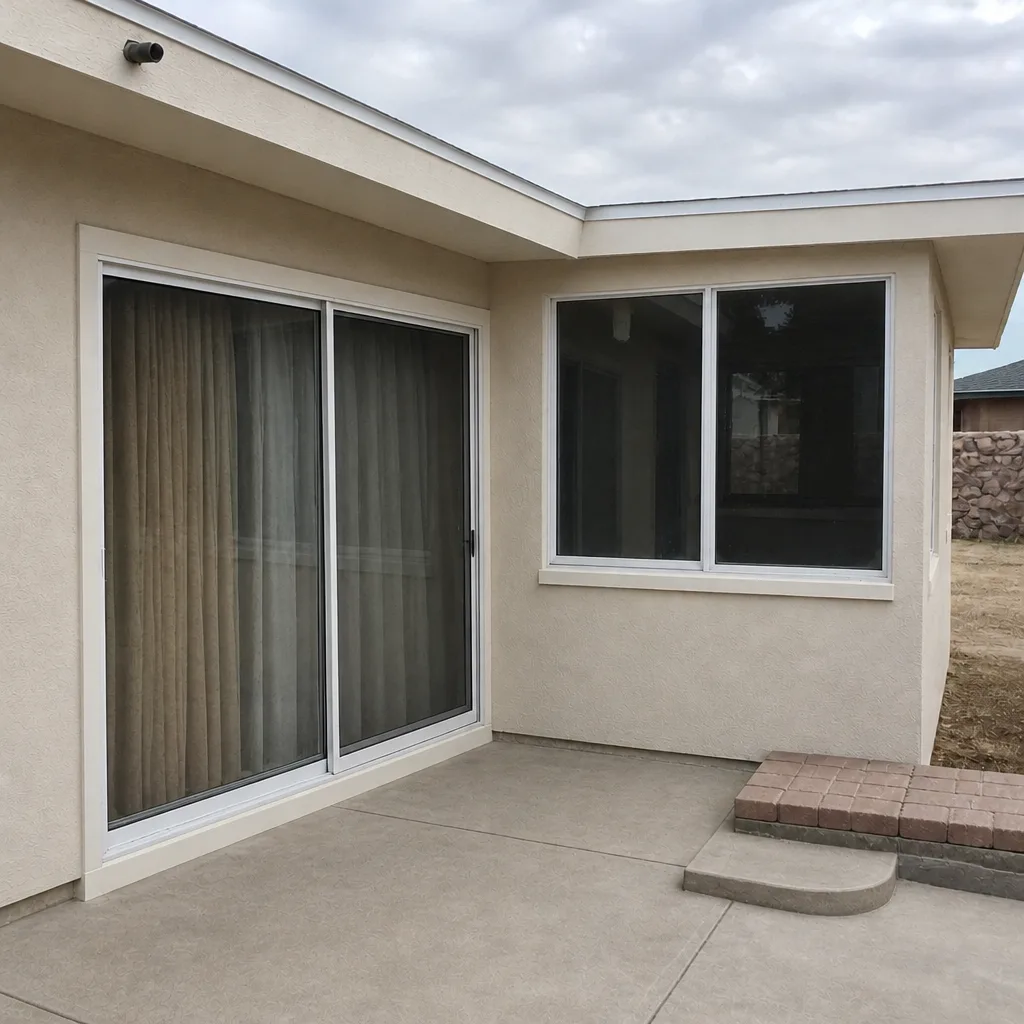 After
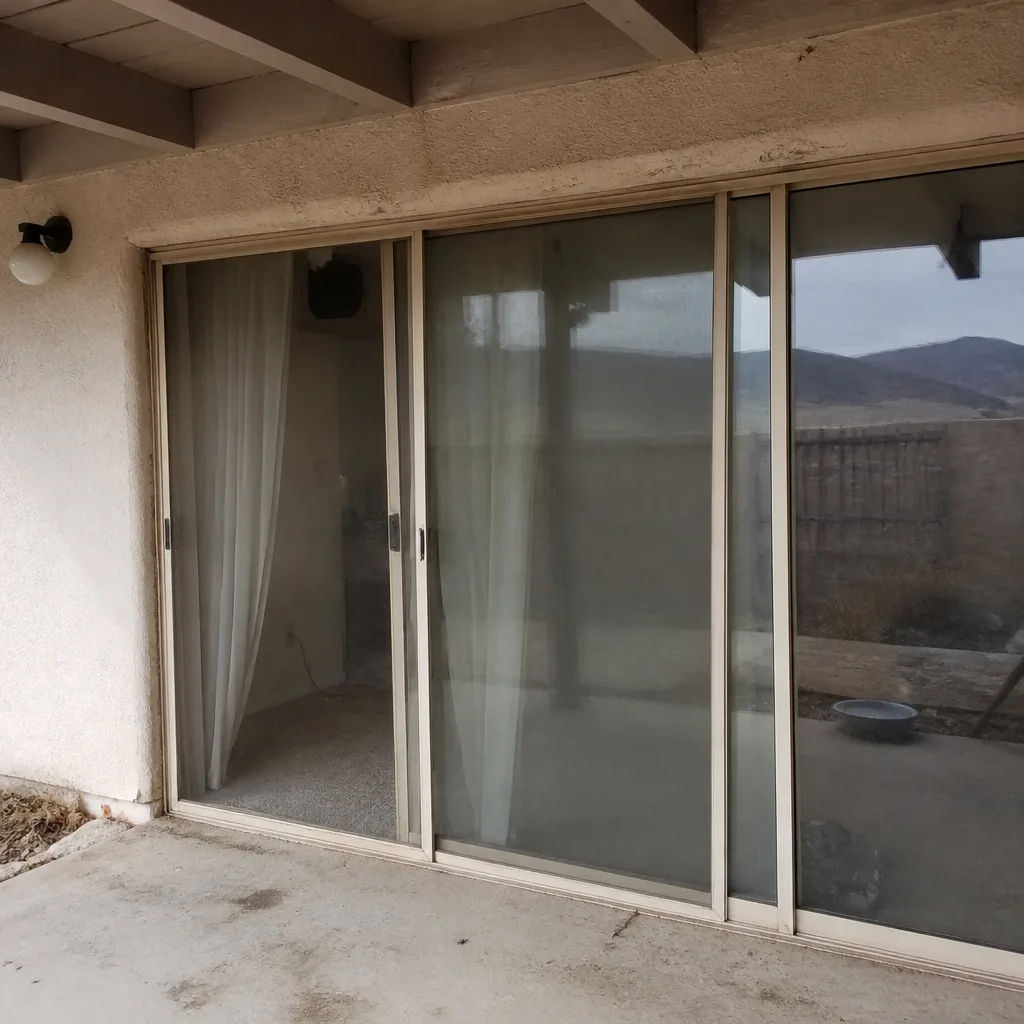 Before
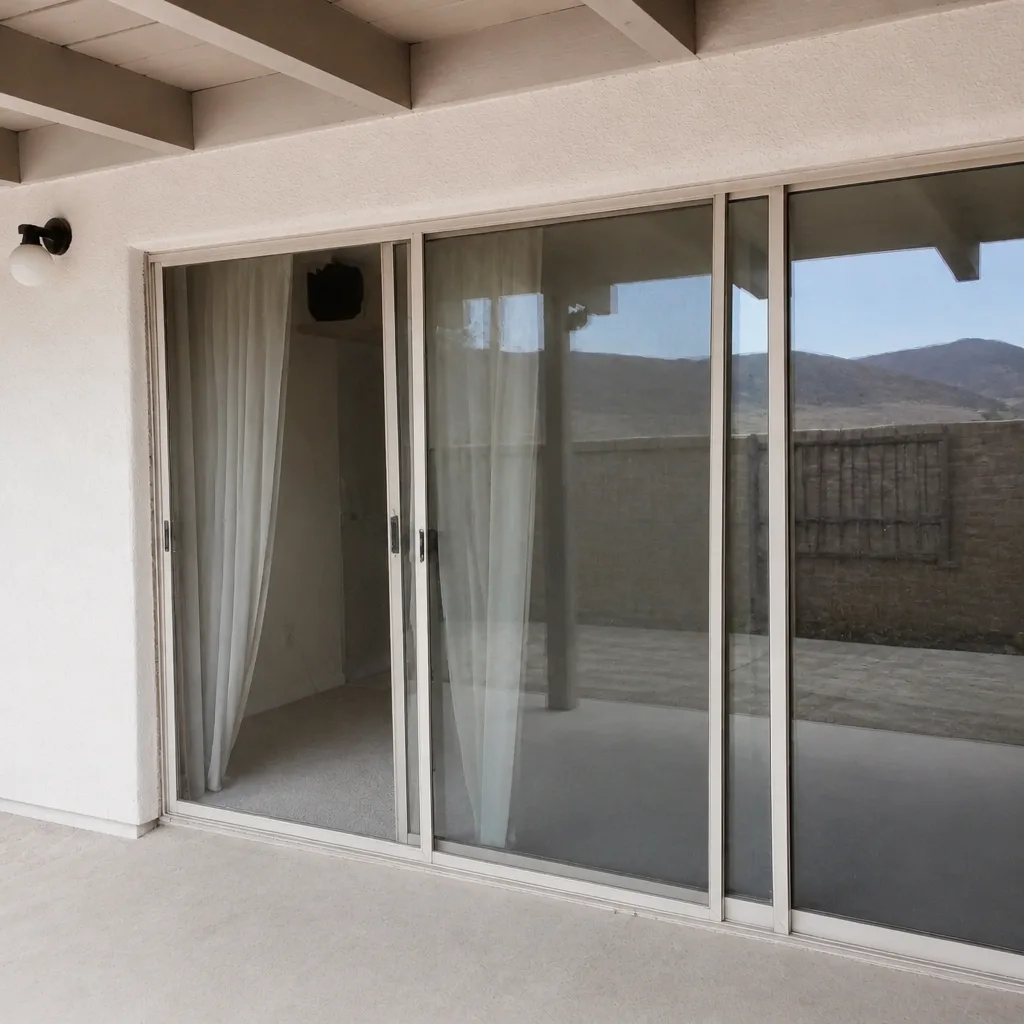 After
When to Call a Professional
Some window problems are cosmetic and some are structural. Fogging between panes, condensation that won’t clear, a sash that won’t close flush, a door that binds in one season and swings free in another, drafts you can feel at the edge, or any crack in the glass are signs worth a look. A window that has started to sag or a door that no longer latches at all needs immediate attention because the problem compounds. Historic-area homeowners should call before ordering anything, so review status can be confirmed before product is cut. For work that involves high glass or second-story doors, we recommend a trained technician. TruePane Windows & Doors Boulder City offers free estimates in Boulder City. Call (844) 560-0350.
Frequently Asked Questions
Most Boulder City window replacements run $500 – $900 per opening for vinyl, $800 – $1,400 for fiberglass, and $1,100 – $2,000 for aluminum-clad wood, depending on size and glass package. Full-home projects on 12 to 18 openings typically land between $9,000 and $28,000. Call (844) 560-0350 for an exact quote. Estimates are free.
If your home is in a designated historic area near the original town site, exterior changes to windows and doors can require design review before work starts. Review can cover exterior color, visible profile, and divided-light pattern. It’s worth confirming before ordering, because custom product can’t be returned. Call (844) 560-0350 and we can walk you through it.
Fiberglass holds up best through Boulder City’s thermal cycling because it expands and contracts far less than vinyl. Aluminum-clad wood is a strong second when the interior look matters. Vinyl performs well on shaded elevations but can bow on high-sun walls. Call (844) 560-0350 for an honest assessment of your specific openings.
The manufacturer warranty covers the product; the installation warranty covers the labor and fit. Both need to be registered in writing before the job can be considered closed. Under The Keystone Standard, both layers are registered, with durations stated, before the crew leaves. Call (844) 560-0350 with questions.
No. We quote in writing upfront. If the scope changes because of undiscovered rot or framing issues, we tell you before any extra work begins. There are no surprise line items on the bill. Call (844) 560-0350 for a free estimate.
Most repairs, reseals, and glass replacements are completed in a single visit. Full replacements depend on product lead time and historic review, and a written timeline comes with the quote. We confirm the timeline in writing so you know exactly when the crew is on site. Call (844) 560-0350 to schedule an estimate.
The Bottom Line
Boulder City is not a suburb of Las Vegas when it comes to windows and doors. The elevation, the reflected heat off the lake, the dry overnight swings, and the historic design controls each push material and glass specs in different directions than the valley floor. Fiberglass and aluminum-clad wood outperform vinyl on the bright exposures, glass packages need to match wall orientation rather than a regional default, and historic review has to clear before product is ordered. Finally, both warranty layers have to be registered in writing before any job is closed. If you’re ready to talk through your specific home, we offer free estimates in Boulder City. Call (844) 560-0350.
TruePane Windows & Doors installs, replaces, and services windows and doors for homeowners, including impact windows and doors, energy-efficient windows, sliding and patio doors, glass railing systems, and custom work. We’re an authorized installer for more than a dozen manufacturer lines, and our technicians have up to 18 years of experience. Standing offers include $50 off any repair over $250, an $89 seasonal tune-up, and a permanent 5% discount for seniors and veterans. Our team answers a live person at any hour, and we stand behind every job. You can start at the TruePane Windows & Doors Boulder City home page or call us directly.
Written by the team at TruePane Windows & Doors Boulder City.