
Last updated November 18, 2026
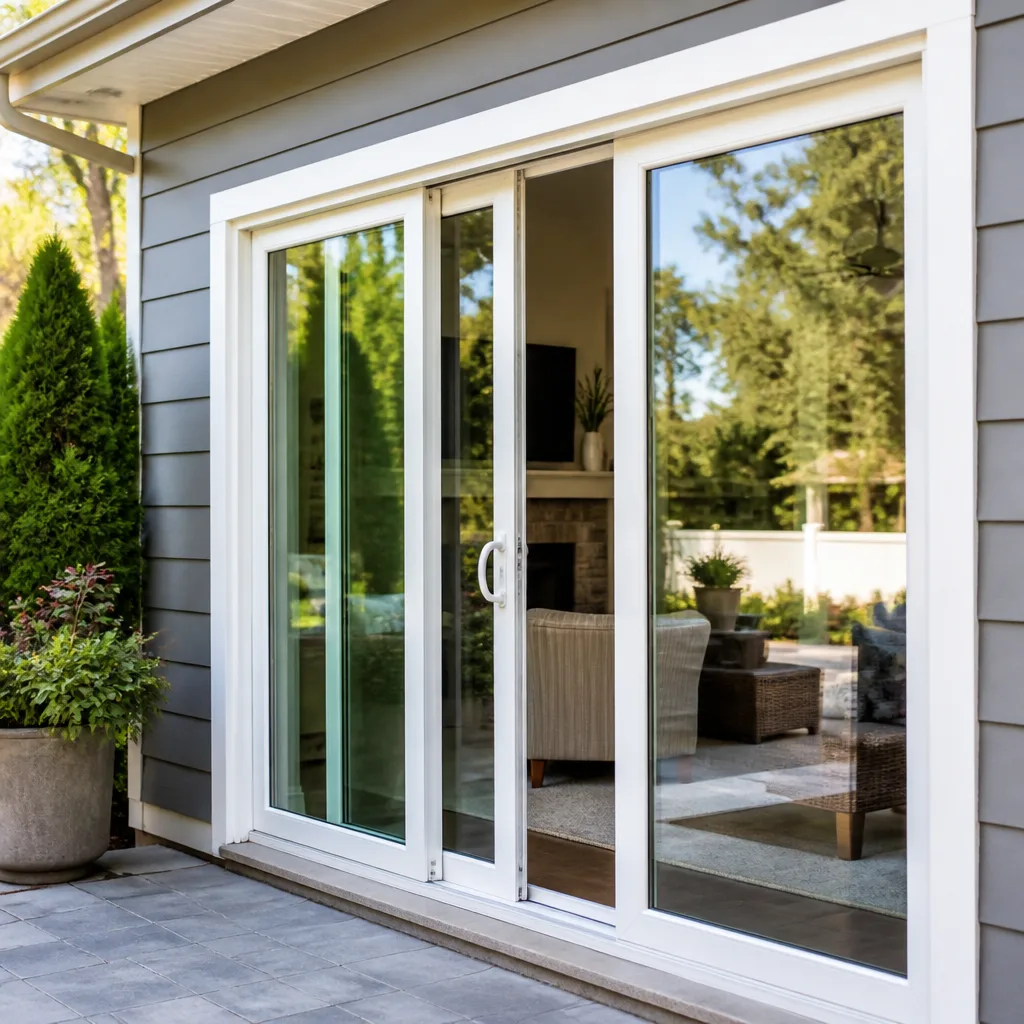 Sliding glass doors
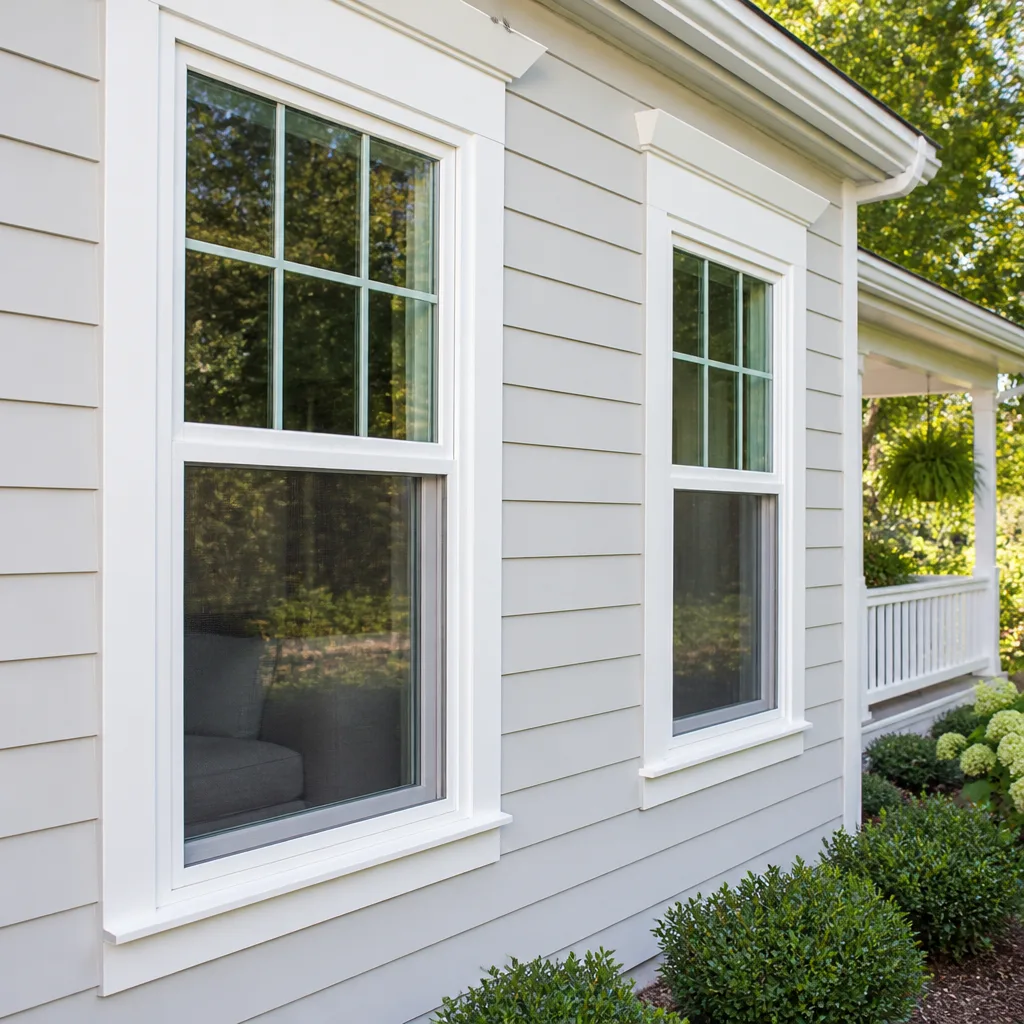 Single hung
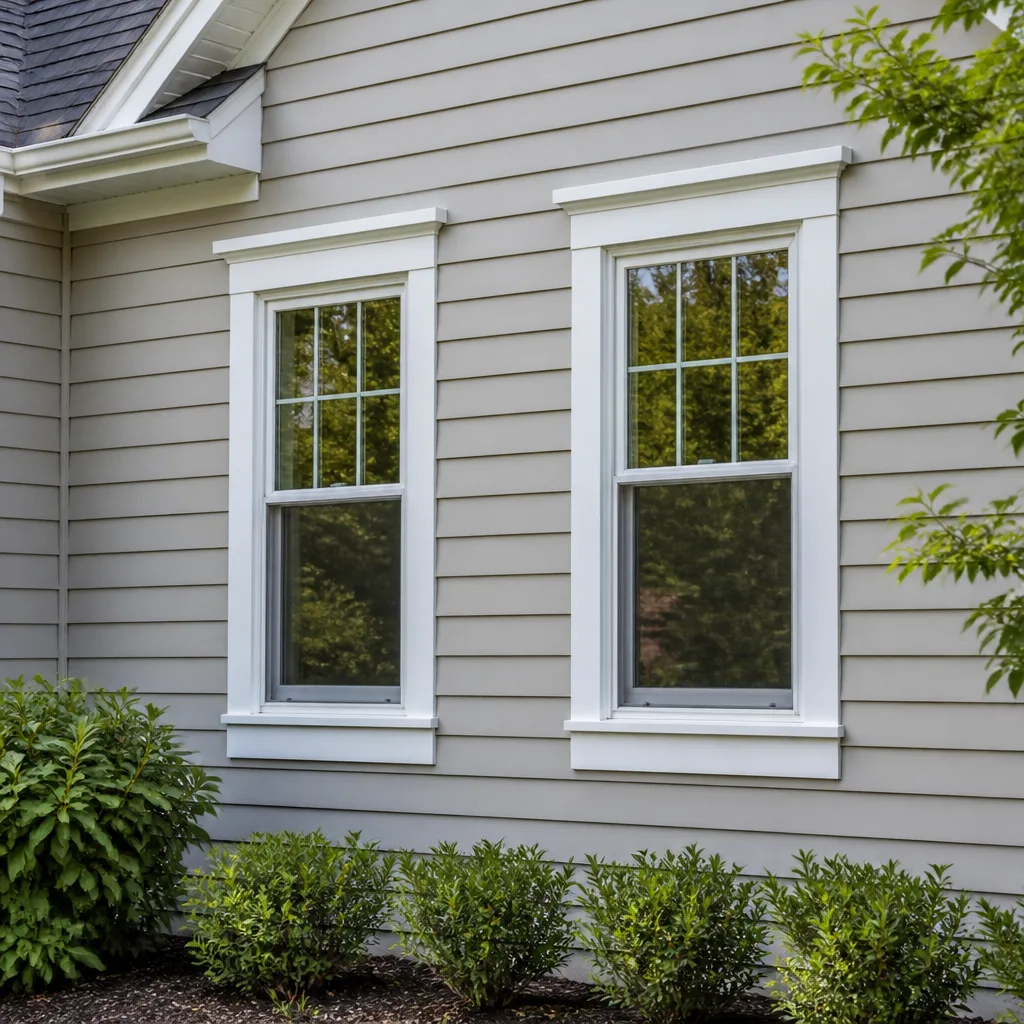 Double hung
 Horizontal roller
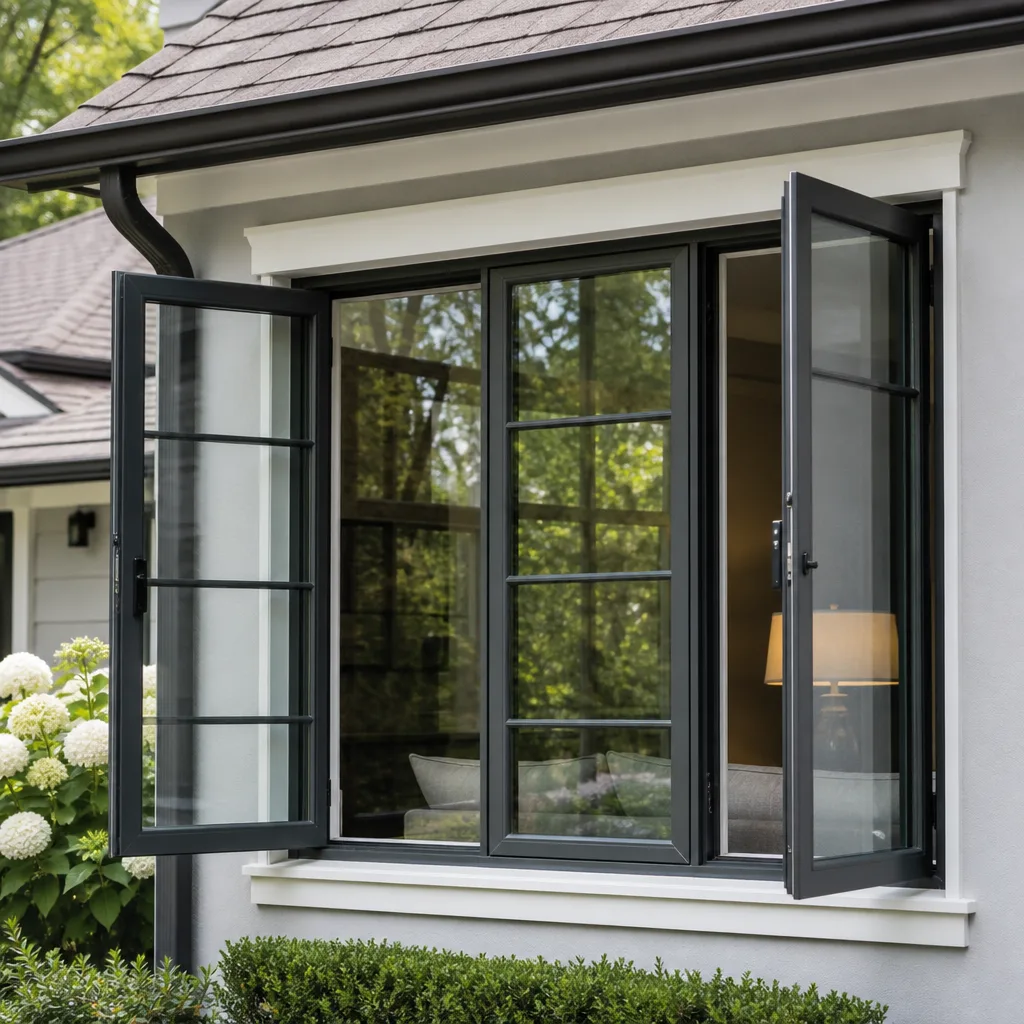 Casement
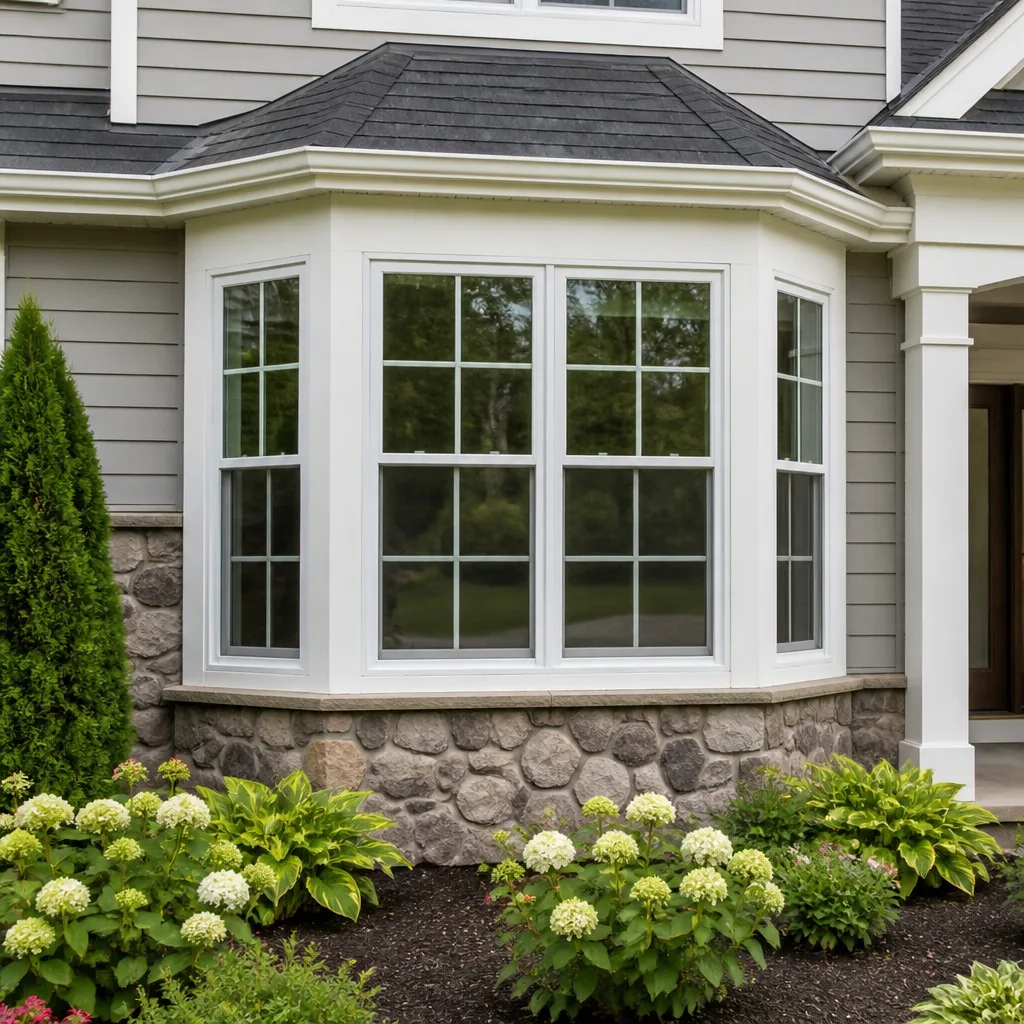 Bay & bow
 Entry doors
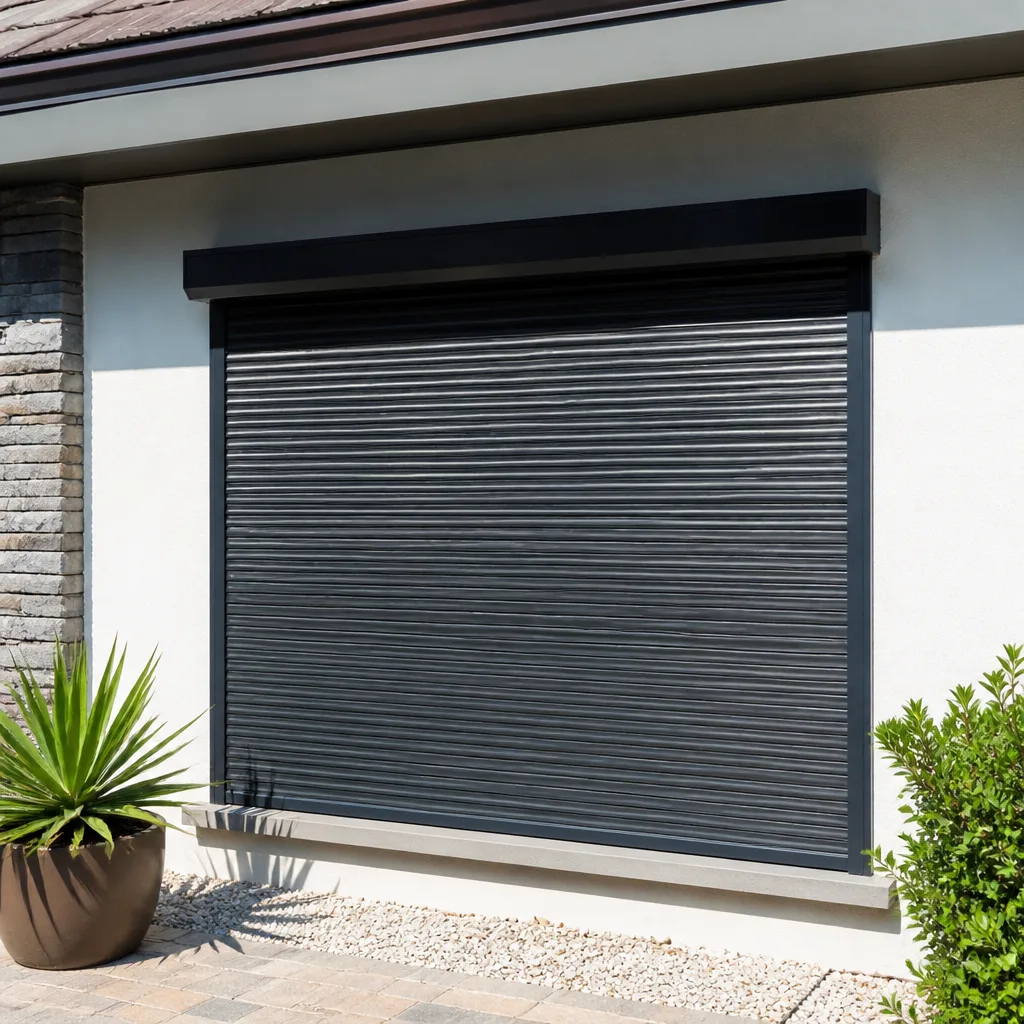
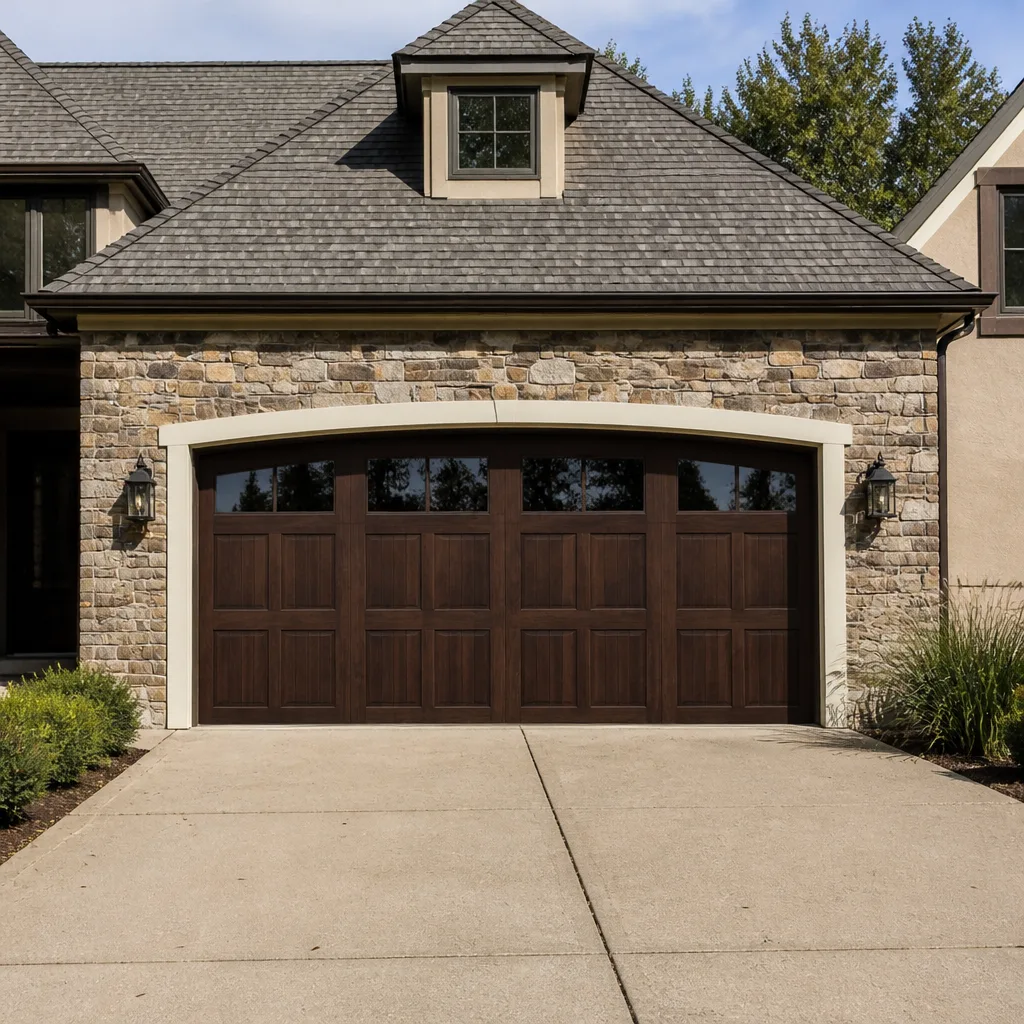 Impact garage doors
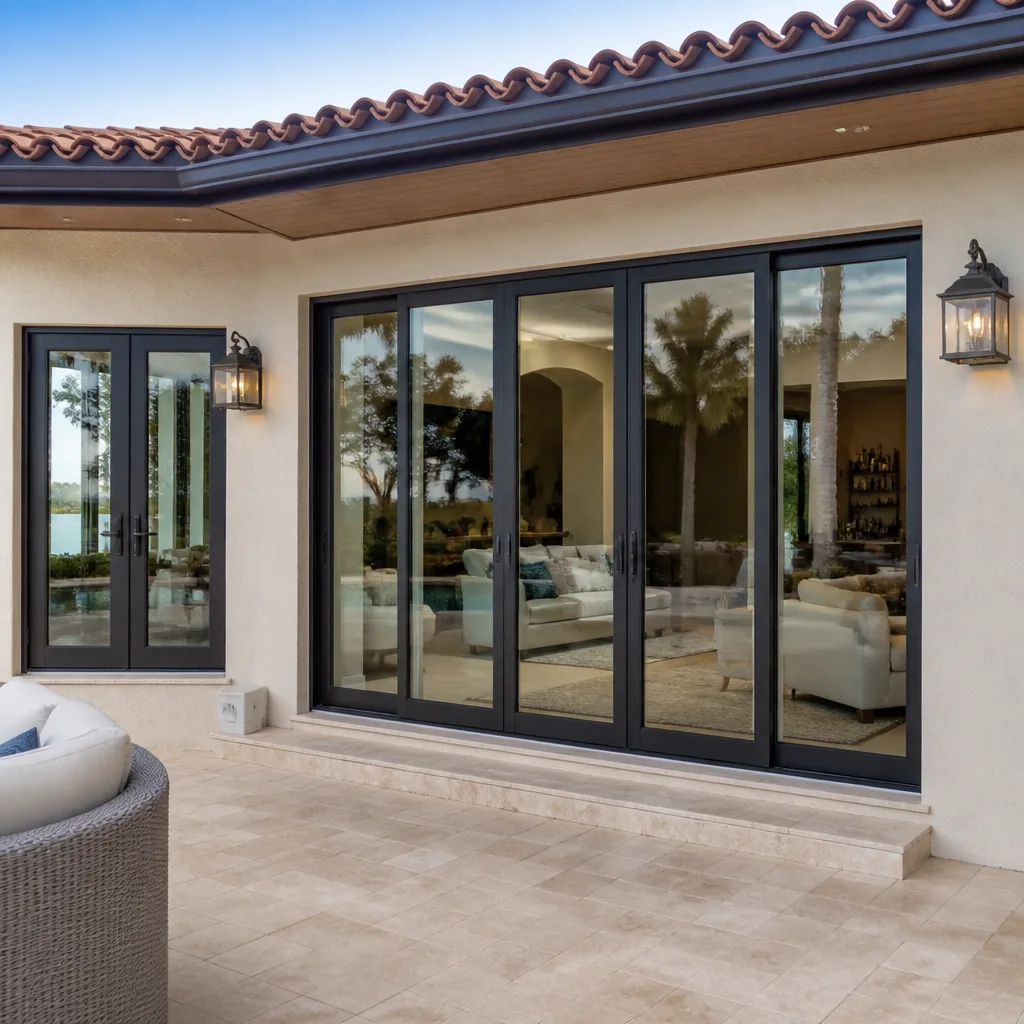 PGT
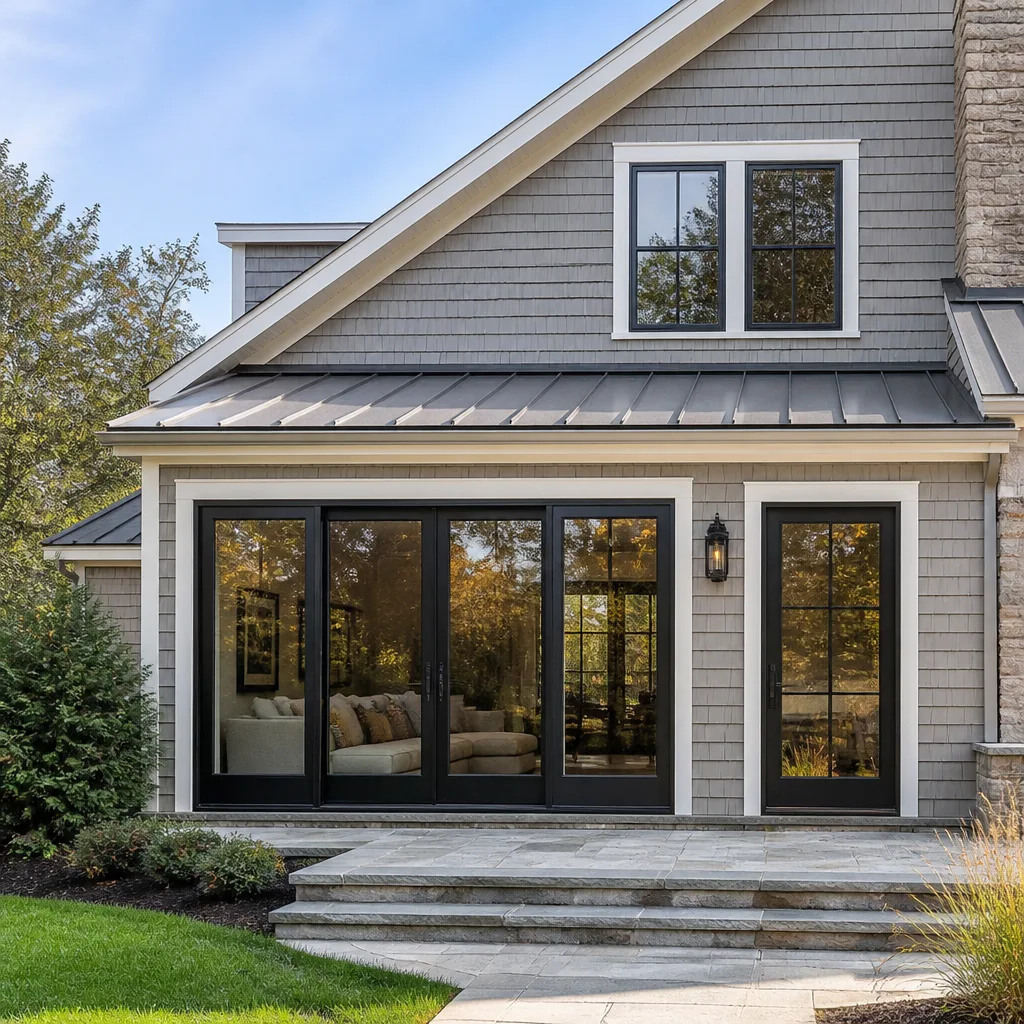 CGI
Free in-home measure and quote - PGT, CGI and CWS impact lines compared on your actual openings, style by style
Get your free estimateHow to Hire a Windows & Doors Contractor in Boulder City: A Step-by-Step Guide
On a neighborhood Facebook thread in Boulder City, the same contractor name can turn up twice in a month: once as a glowing recommendation from a neighbor whose patio slider finally quit binding, and once on a filed Nevada State Contractors Board complaint from the same year that nobody ever saw because the review platforms have too little local data to surface the contradiction. In a city of roughly 16,000 people, that’s the trap. The vetting has to come from you, not from a star rating that five people inflated. This guide walks through the license record, the insurance certificates, the permit questions, and the warranty language that separate a contractor who installs windows from one who understands what a window has to do in Boulder City’s wind and desert heat.
Quick Answer
To hire a windows and doors contractor in Boulder City, verify an active Nevada State Contractors Board license with a C-17 glazing classification, request current general liability and workers’ comp certificates, confirm the contractor pulls the local permit himself rather than asking you to, and get both manufacturer and labor warranties in writing before anyone signs. Skip any step and you’ll likely find the gap at the worst moment – usually when a pane fogs or a door stops latching and the original installer has gone silent.
Styles & brands we work with
- Single hung
- Double hung
- Horizontal roller
- Casement
- Bay & bow
- Sliding glass doors
- Entry doors
- Impact garage doors
- PGT
- CGI
Table of Contents
- Step 1: Pull the Nevada State Contractors Board License Record
- What a C-17 Glazing Classification Actually Covers
- Step 2: Request the Right Insurance Certificates, Current Not Expired
- Step 3: Ask the Permit and Wind-Load Questions
- Step 4: Read the Written Warranty Line by Line
- Small-Market Red Flags to Watch For
- How to Compare Bids That Look Different on Paper
- The Handoff: What Should Happen Before the Truck Leaves
Step 1: Pull the Nevada State Contractors Board License Record
The first call isn’t to the contractor. It’s to the Nevada State Contractors Board website, where you can search any license by number or business name and see whether it’s active, suspended, or expired. A Boulder City homeowner with twenty years in the same house and no patience for second trips will care about three columns on that record more than anything a contractor says on the phone.
- Status. Active is what you want. “Expired” or “suspended” means stop and walk away, no matter how good the referral was.
- Classification. Window and door work requires the right classification – see the next section on C-17. A general handyman license is not a substitute.
- Complaint history. Open the complaint log, not just the license status. One old resolved complaint isn’t fatal. Three unresolved complaints in the past two years is.
- Monetary limit. The board caps the contract value each license can handle. If your project quote is above that limit, the contractor isn’t licensed to do it.
In small towns like Boulder City, contractors sometimes operate for years on a lapsed license and nobody notices because the neighbors keep referring them. The record is public, it updates in real time, and pulling it takes three minutes. If a contractor bristles when you mention you checked, that reaction is data too.
Once you’ve confirmed the license, the next step is confirming who actually does the install. Read more about how we approach window installation in Boulder City and what a documented install looks like from the inside.
What a C-17 Glazing Classification Actually Covers
A C-17 classification in Nevada is the glazing contractor classification, and it’s the specific license category that covers the installation and replacement of glass and glazed products – windows, doors with glazing, storefront glass, glass railings, and related work. It is not the same as a C-3 carpentry license, and it isn’t interchangeable with a general handyman license or a C-21 (which is a different trade entirely).
This matters in Boulder City because the desert wind and summer heat put real stress on the seal and the frame of every unit. A “window installer” without C-17 may be a fine carpenter, but he isn’t licensed to handle certain products, and his insurance may not cover a claim if a tempered unit fails or a seal voids early. We’ve seen homeowners left holding a fogged double-pane because the original installer’s license classification didn’t actually cover what he installed.
What C-17 covers, concretely:
- Removal and replacement of residential window units, including frame and sash
- Installation of hinged, sliding, and patio doors with glazed panels
- Glass railing systems and interior glass partitions
- Impact-rated window and door assemblies as required by code in applicable zones
- Service, reseal, and re-glaze work on existing units
What C-17 does not cover: structural framing, drywall patching beyond the opening, electrical rough-in, or roofing. If your project needs those pieces, a licensed general contractor coordinates the trades; a C-17 glazier installs the window and door. On a typical Boulder City single-family home, we run the glass scope and coordinate with the other trades where they exist.
When you’re shopping door replacements specifically, the classification question matters even more because exterior door assemblies carry weatherproofing and security requirements layered on top of the install. More detail lives on our door installation in Boulder City page.
Step 2: Request the Right Insurance Certificates, Current Not Expired
Ask any contractor you’re considering for two insurance documents before you sign: a certificate of general liability insurance and proof of workers’ compensation coverage. Both should list you, the homeowner, as the certificate holder – or at minimum show your property address as the project site. The certificate should be dated within the current policy term, not last year’s.
General liability limits that make sense for window and door work on a Boulder City home:
- $1,000,000 per occurrence minimum for general liability. Some contractors carry $2 million; both are common.
- Products-completed operations coverage listed on the certificate. This is the piece that covers you if a unit fails after install, not just during.
- Workers’ comp confirmed active for the state of Nevada. If someone is injured on your property and the contractor has no workers’ comp, that injury can land on your homeowner’s policy.
- Certificate of insurance naming you and your address, not just the company name with a policy number.
The part most homeowners miss: certificates expire in twelve months. A contractor who shows you a certificate from last spring isn’t insured for the work happening this summer. Call the insurance agent listed on the certificate – not the contractor – and confirm active status. Agents answer this question every day without blinking.
In our experience, this single step filters out more borderline contractors than any other question. Not because the good ones enjoy paperwork, but because the ones who do it right already have the certificate on their phone, dated and current, waiting for the question.
Step 3: Ask the Permit and Wind-Load Questions
Boulder City has its own building department separate from Clark County for most residential work inside city limits, which is a fact many contractors who work primarily in Henderson or Las Vegas don’t know. In older homes, that gap shows up as a missing permit that turns into a real problem at resale – or worse, an inspector who catches an unpermitted door replacement years after the fact and you pay the fees twice.
The questions to ask directly:
- “Who pulls the permit – you or me?” The correct answer is “we do.” If a contractor wants you to pull the permit as the homeowner, that’s a red flag. It shifts liability off his license and onto you.
- “Is the permit fee a line item on the quote?” A real quote shows permit fees separately. A quote that says “pricing includes permit” without a line for it is a quote that will surprise you somewhere else.
- “Will you coordinate the inspection, or do I?” A licensed C-17 glazier coordinates the inspection and doesn’t hand you a phone number when the inspector calls.
- “What wind-load rating is required for my zone in Boulder City?” Boulder City sits at elevation with open exposure to the west and north winds. Clark County wind-load requirements govern new openings and replacements, and the units specified have to meet the rating. A contractor who shrugs at this question installs to a Las Vegas template and hopes the inspector doesn’t notice.
- “What product are you specifying for the wind rating?” Brands like PGT and CGI make rated impact and wind assemblies. Mr-Glass and Therma-Tru make quality units too, but the specific product has to match the rating. If the contractor can’t name the product and the rating side by side, ask a second contractor.
The Nevada State Contractors Board requires licensed contractors to pull permits for work that requires them – so the question isn’t optional. It’s the floor. If a bid comes in noticeably below another bid, check whether the low bidder omitted the permit fee before you take it seriously.
For a longer look at what permit-coordinated replacement looks like in this city specifically, our window replacement in Boulder City page runs through the sequence.
Step 4: Read the Written Warranty Line by Line
A verbal warranty is not a warranty. Before you sign anything, you should have in hand a written document that states, at minimum, four things:
- Manufacturer registration confirmation. The window and door manufacturer’s warranty must be registered in the homeowner’s name, with a copy of the registration delivered to you. Not “we’ll take care of it” – a copy in your hand.
- Number of warranty layers and their durations. Most quality manufacturers carry two distinct warranty layers – one on the glass/seal, one on the frame/hardware. You should see both, with durations stated. Ask for the durations in years.
- Installation labor warranty. This is the piece that fails most often in the marketplace. The manufacturer warranties the product. Who warranties the install? For how long? In writing.
- The “what if you dissolve” clause. If the original installing company goes out of business, who honors the labor warranty? Which manufacturer lines will honor the product warranty without the original installer? Many manufacturers will, some won’t. Get the answer in writing.
Exclusion language to actually read, not skim:
- “Excludes seal failure caused by X” – if X is broad, the warranty is narrower than the sales pitch.
- “Customer responsible for removal and reinstallation” – means you pay labor twice on a claim.
- “Warranty void if not registered within 30 days of install” – these exist, and they’re how a strong warranty becomes a useless one.
- “Acts of God” without definition – broad wording that can cover a hailstorm, which Boulder City sees.
Our standard is that both manufacturer warranty layers get registered in writing and the installation labor carries a written duration, before the truck leaves the driveway. We call that The Keystone Standard. It’s not a marketing phrase on a mailer – it’s two pieces of paper you hold when the crew is gone, and the reason the 90-Day Done Right Promise means something.
Small-Market Red Flags to Watch For
Boulder City isn’t Las Vegas. A window contractor working here knows the long haul and sees the same faces at the diner and the hardware store. That’s a strength – but it’s also a reason a few specific red flags matter more here than they would in a market with ten thousand contractors on file.
- Vague start dates. “Next month or two” is not a start date. A written timetable with a start week and an estimated completion window is what a contractor confident in his schedule provides. If he can’t name the week, he either doesn’t know his backlog or is overbooked.
- Front-loaded deposits over 30 percent. A deposit of more than 30 percent of the job total before any materials are ordered is a cash flow alarm. A common industry standard is a modest deposit, with the balance due on completion and inspection. If he’s asking 50 percent up front to “secure the order,” walk.
- Permit fees omitted as a line item. If the quote doesn’t list the permit fee, it isn’t a real quote. It’s a bid that will grow.
- Yelp or Google reviews with a gap. Two years of silence in a small town, then three five-star reviews in one week, is a signal. Real contractors here have steady reviews, not clustered ones.
- “We’ll register the warranty for you.” Without a paper copy in your hand at closeout, you don’t know it happened.
- No physical written quote. Side-by-side manufacturer lines on paper, with model numbers and wind ratings, is the standard. Verbal-only bids are the easiest place to hide what you’re actually buying.
- Pressure to sign today. A written quote should be presented, walked through line by line, and left with you. Any contractor who needs a signature today is a contractor who doesn’t trust his own number.
On the warranty question specifically, we’ve seen Boulder City homeowners pay three different contractors to redo an install that could have been fixed under warranty if the original paperwork had been handled correctly. That’s the specific trap this whole guide is trying to keep you out of.
How to Compare Bids That Look Different on Paper
Bids from three contractors rarely arrive in the same format, which is why comparing them by bottom line is a bad habit. One bid is one page with a total. Another is four pages with product data sheets attached. The line-by-line comparison is what tells you whether the cheaper bid is actually cheaper or just thinner.
The four columns to build before you decide:
- Product and model number. Same brand, different series, is a different price. Ask for the exact model in writing. Andersen, Pella, Marvin, Milgard, and Jeld-Wen all have multiple series within their brand, and the quote should name the series.
- Wind rating and impact rating. Listed per opening, matched to Boulder City requirements.
- Permit and inspection fees. As a separate line, not lumped into product.
- Labor warranty duration. In years, in writing, with the terms that apply.
A bid that’s $1,800 lower than another bid on the same scope is $1,800 lower for a reason. Common reasons: lower product series, no permit pulled, no labor warranty stated, or the crew is unlicensed. Any of those four makes the lower number the more expensive bid over ten years – which is the horizon the homeowner in a twenty-year house actually cares about.
Side-by-side quotes on paper, one row per manufacturer line, is what our customers see at quote time. Not because it’s a nice touch, but because hiding the alternatives is a way to sell the highest margin, and that isn’t the way we do business. Whether you hire us or someone else, insist on the side-by-side. It’s the most useful hour of the whole process.
The Handoff: What Should Happen Before the Truck Leaves
The last five minutes of the job matter as much as the first day. This is the moment that separates a documented install from an install you have to argue about in eighteen months. Before the crew packs up, five things should be true.
- Manufacturer warranties registered and printed. Both warranty layers, in your hand, not “in the mail.”
- Installation labor warranty document. Signed, dated, and with the duration stated in years.
- Permit inspection passed and signed off. The inspector’s sign-off is a piece of paper you should keep with your closing documents.
- Final walkthrough with the lead installer. Every window operated, every door latched, every lock tested. Not “it’s fine, trust us” – you operate it yourself.
- Final invoice matching the quote. No surprise line items, no added charges, no “we ran into X.” If X was real, it should have been caught at measurement.
Measuring every opening twice at quote time is what prevents the surprise line items later. It’s slow, unglamorous, and the reason “most jobs completed in a single visit” is a true statement for us rather than an aspirational one. If the first measurement was right, there’s no second appointment.
For the full picture of how a project runs from quote to closeout in this city, and where our Keystone Standard fits into the sequence, our TruePane Windows & Doors Boulder City home page lists what’s included at each stage.
Common Mistakes to Avoid
- Trusting a Facebook recommendation without pulling the license record. A neighbor’s glowing review and an unresolved state complaint can coexist – that’s the nature of a small market with thin review volume.
- Accepting a handyman’s bid for a C-17 job. A handyman license doesn’t cover glazing work, and his insurance won’t cover a glazing failure. The savings disappear the first time a unit fails.
- Skipping the insurance certificate check. Homes on older streets in Boulder City sometimes have guest houses or detached garages where a worker injury claim lands on the homeowner without workers’ comp. Verify it, dated, current.
- Not verifying the permit gets pulled. Boulder City has its own building department. A contractor who works mostly in Clark County outside city limits may not know the process here, and unpermitted work becomes your problem at resale.
- Accepting a verbal warranty. If the manufacturer registration and the labor duration aren’t in your hand before the truck drives off, you don’t have a warranty. You have a memory.
- Signing a bid without the permit fee listed. A low bid that omits the permit is a bid that will grow. Always compare line items, not totals.
- Paying more than 30 percent up front. Large deposits before materials are ordered are a cash-flow red flag. Industry standard is a modest deposit and the balance on completion and inspection.
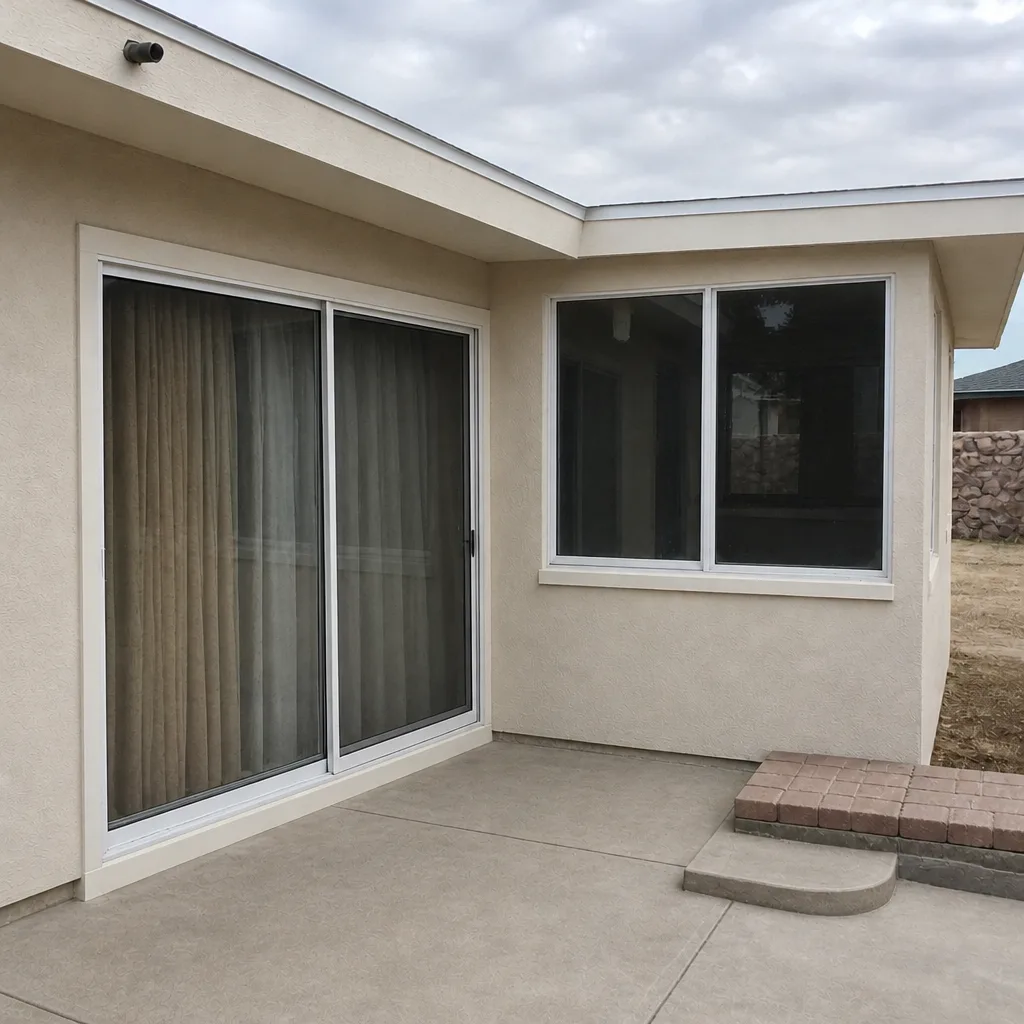
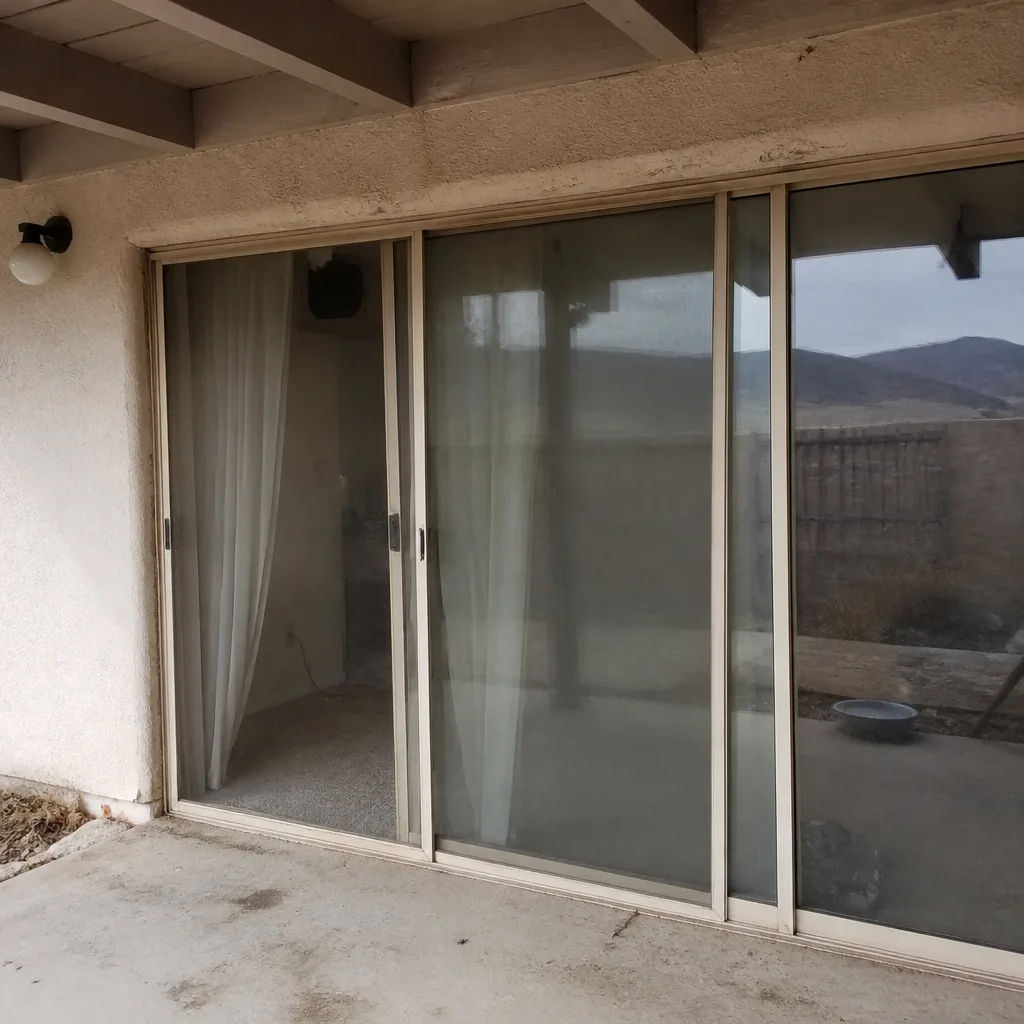
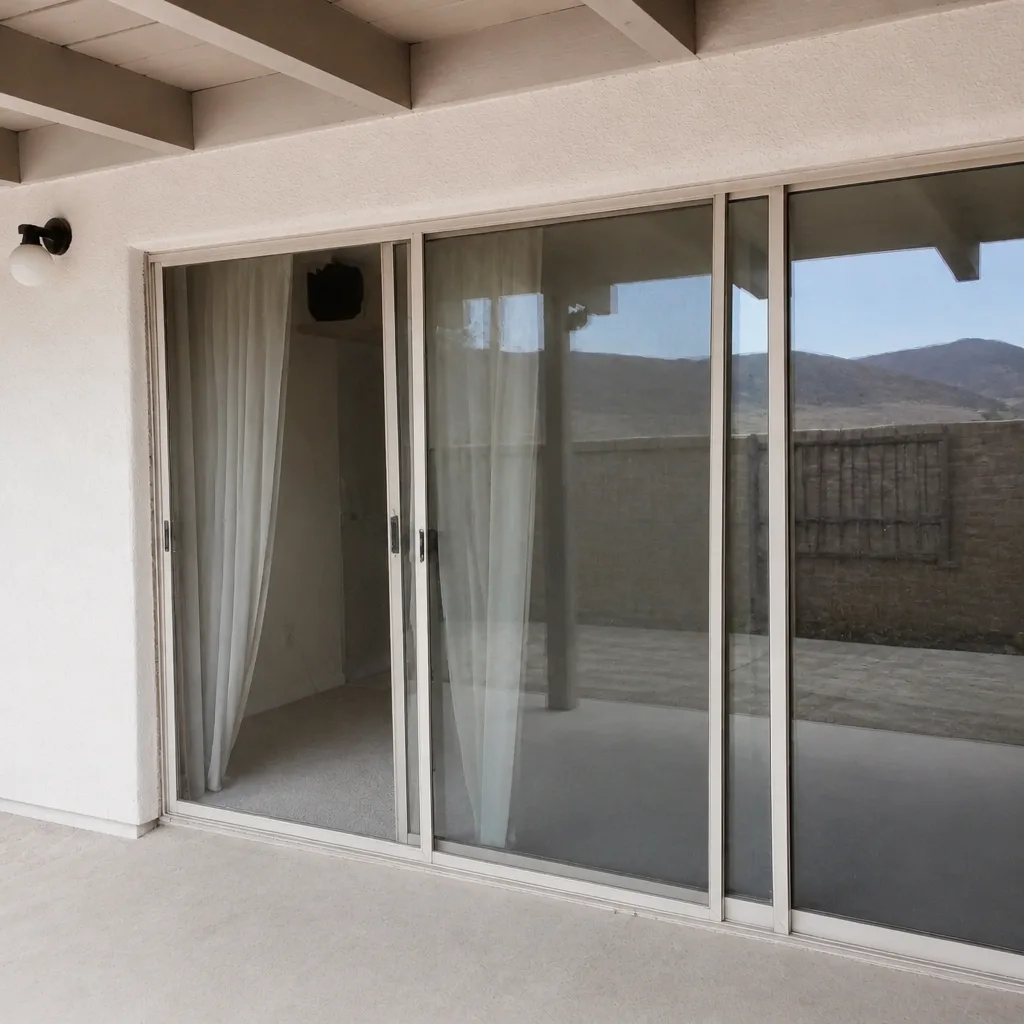
See the difference
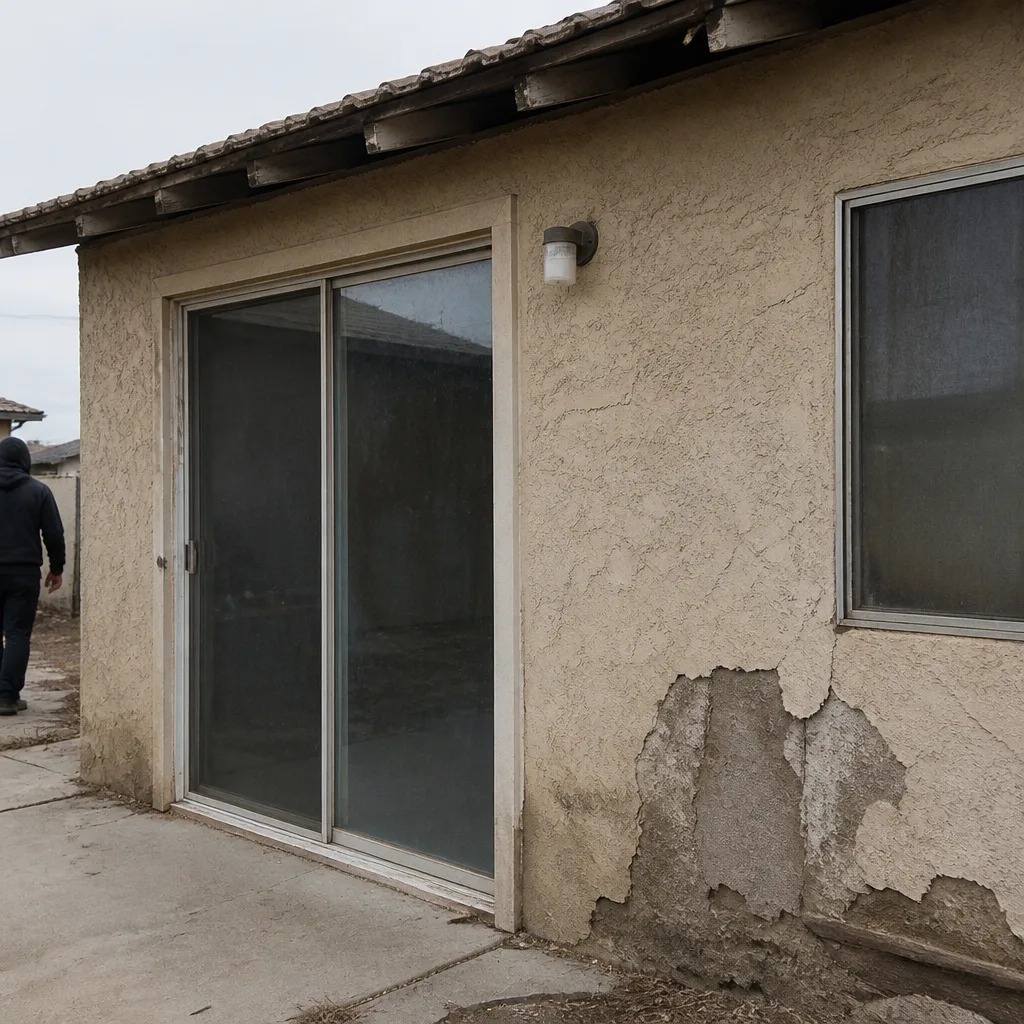 Before
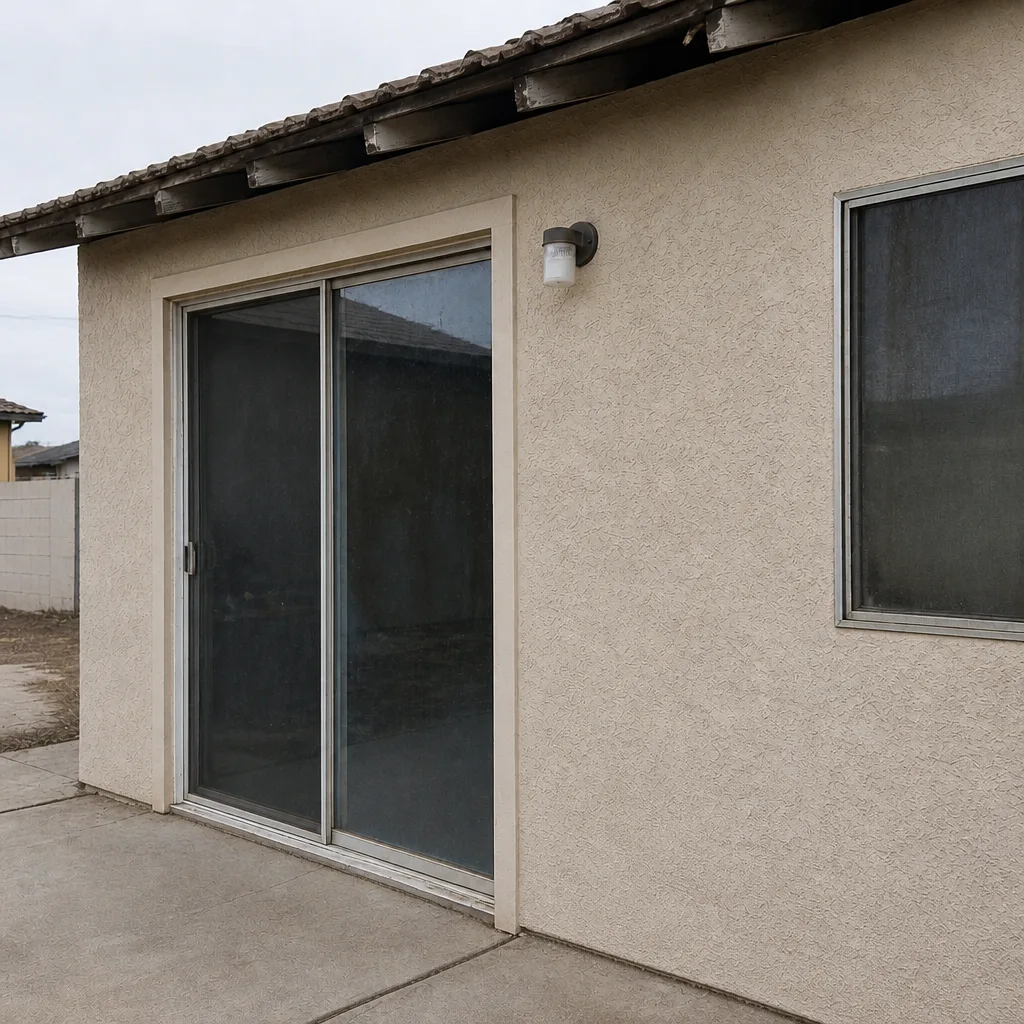 After
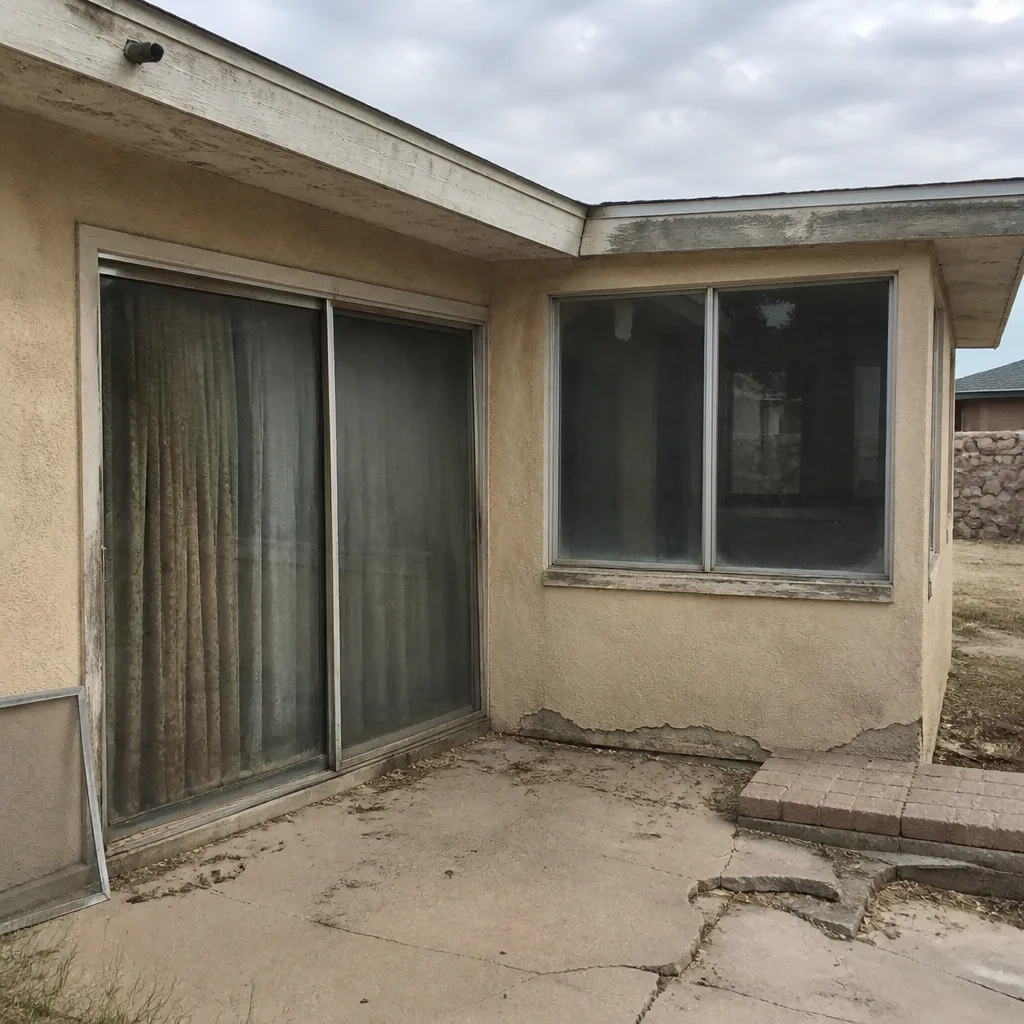 Before
 After
 Before
 After
When to Call a Professional
Not every window bump needs a truck at the house. But there’s a specific list of symptoms that mean stop what you’re doing and call a trained professional – and a specific list that means the danger is worse. A failed spring, a pane that’s cracked from edge to edge, a patio slider that won’t latch shut, a window that lets water in during a monsoon-season storm, a hinge that’s pulling from the jamb: these aren’t homeowner fixes. A window that’s already cracked under tension or a door assembly with a compromised frame is a genuine safety item. Window glass under load and failed dual-pane units can fail suddenly, and door hardware that won’t engage is a security issue. A trained, insured C-17 glazier will inspect and quote rather than ask you to climb a ladder and diagnose it yourself. If the glass is broken, the unit is fogged, or a door won’t close, call us. TruePane Windows & Doors Boulder City offers free estimates in Boulder City – call (844) 560-0350. A live person answers, day or night.
Frequently Asked Questions
Typical residential window replacement in Boulder City runs $450 to $1,200 per opening for a standard double-hung or slider, with the price climbing toward $1,800 to $3,200 per opening for larger units, impact-rated assemblies, or custom sizes. Patio door replacement typically runs $2,200 to $4,500. The installed price depends on the product series, wind rating, and whether the opening needs any trim or jamb work. Call (844) 560-0350 for a free side-by-side quote – estimates come on paper with each manufacturer line listed separately, so you can see exactly what drives the number.
Search the Nevada State Contractors Board website by business name or license number, and confirm four things: active status, C-17 glazing classification, no unresolved complaints, and a monetary limit that covers your project. A general handyman license is not a substitute for C-17 on glazing work. If the contractor isn’t in the board’s database under the name on the bid, that’s your answer.
The contractor should pull the permit. In Boulder City, residential window and door replacements require a permit through the city’s building department, and the licensed contractor is the one responsible for coordinating it and passing inspection. A contractor who asks the homeowner to pull the permit is shifting liability off his license and onto yours. Permit fees should also appear as a line item on the quote, not “included.”
At minimum: manufacturer registration confirmation for both warranty layers (glass/seal and frame/hardware), the duration of each layer in years, the installation labor warranty duration, and a clause stating which manufacturer lines will honor the product warranty if the installing contractor goes out of business. Exclusion language matters – read the “warranty void if not registered within 30 days” clauses specifically. If you don’t have the paper before the truck leaves, you don’t have the warranty.
A single opening typically takes one day – measure one week, install the next. A whole-house project of eight to twelve windows usually runs two to four days once materials arrive. The piece that delays most projects in Boulder City is not labor; it’s the permit inspection window and manufacturer lead times on custom sizes. A written timetable with a start week and completion window is what you should insist on before signing, not a verbal “next month or two.”
A C-17 license is Nevada’s glazing contractor classification, covering the installation and replacement of glass and glazed products specifically – windows, storefront glass, glass railings, and glazed doors. A general contractor’s license covers broader scope (framing, structural, project management) but doesn’t automatically cover glazing installation. On a window replacement, you want a C-17 licensed contractor doing the glazing work – not a general contractor installing windows himself without the classification.
The Bottom Line
In Boulder City, the market won’t vet the contractor for you. The roster is short, the referrals are loud, and the review volume is thin – which is why the framework has to come from you. Pull the state license record. Verify current insurance certificates and workers’ comp. Confirm the permit is pulled and the wind-load rating matches your zone. Get both warranty layers registered in writing and the labor duration stated in years. Compare line items, not bottom lines. Skip any of those steps and the install works fine until it doesn’t, usually in the third or fourth summer, when the pane fogs or the door binds and the original installer can’t be found. Do all five and the job outlives the warranty by a few decades. That’s the point.
Ready to price your project? Call TruePane Windows & Doors Boulder City at (844) 560-0350 for a free estimate. A live person answers 24 hours a day, every day. We install, replace, and service windows and doors across Boulder City and the surrounding communities, and every job carries the 90-Day Done Right Promise and The Keystone Standard – both manufacturer warranty layers registered in writing before the truck leaves the driveway. Standout offers for Boulder City homeowners: $50 off any repair over $250, an $89 seasonal tune-up, and a standing 5% discount for seniors and veterans. Estimates are free, the quote is on paper, and the price doesn’t change once work starts.
Written by the team at TruePane Windows & Doors Boulder City.