
Last updated November 18, 2026
 Sliding glass doors
 Single hung
 Double hung
 Horizontal roller
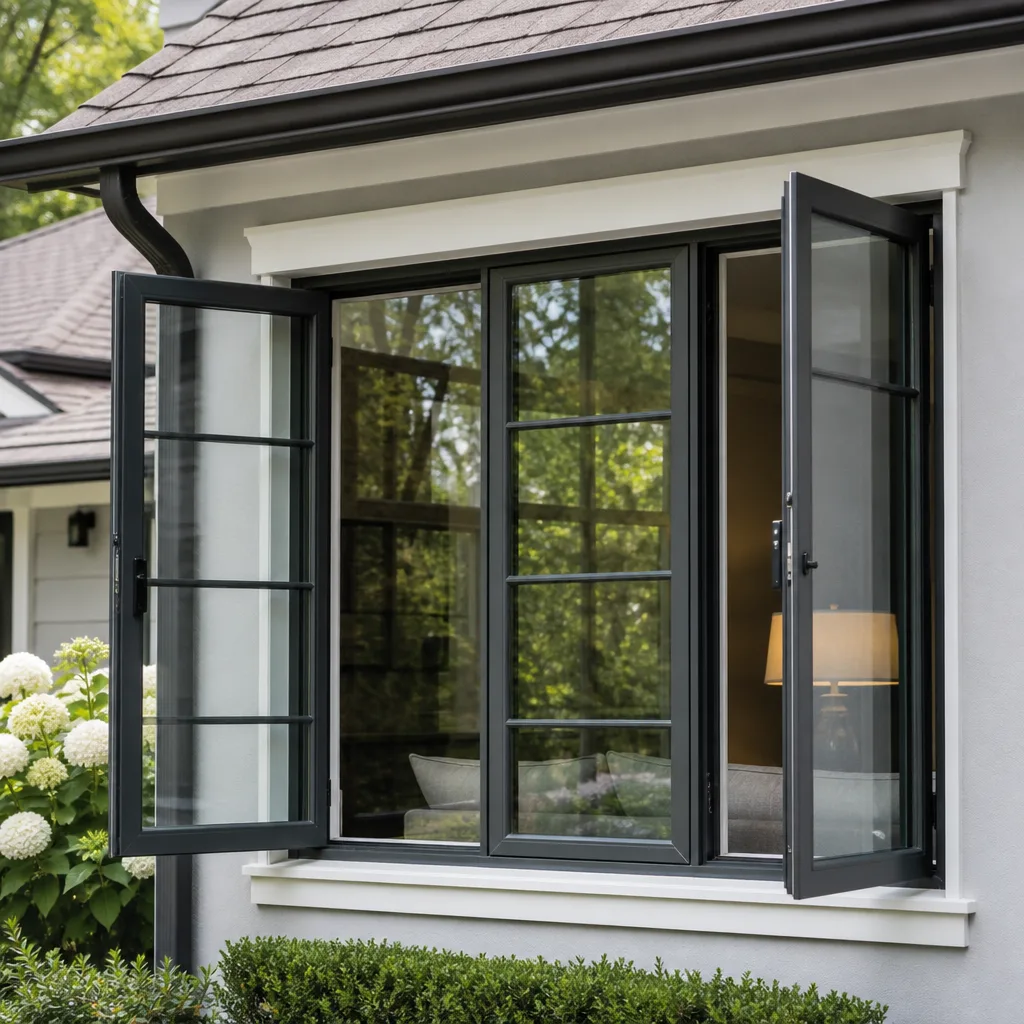 Casement
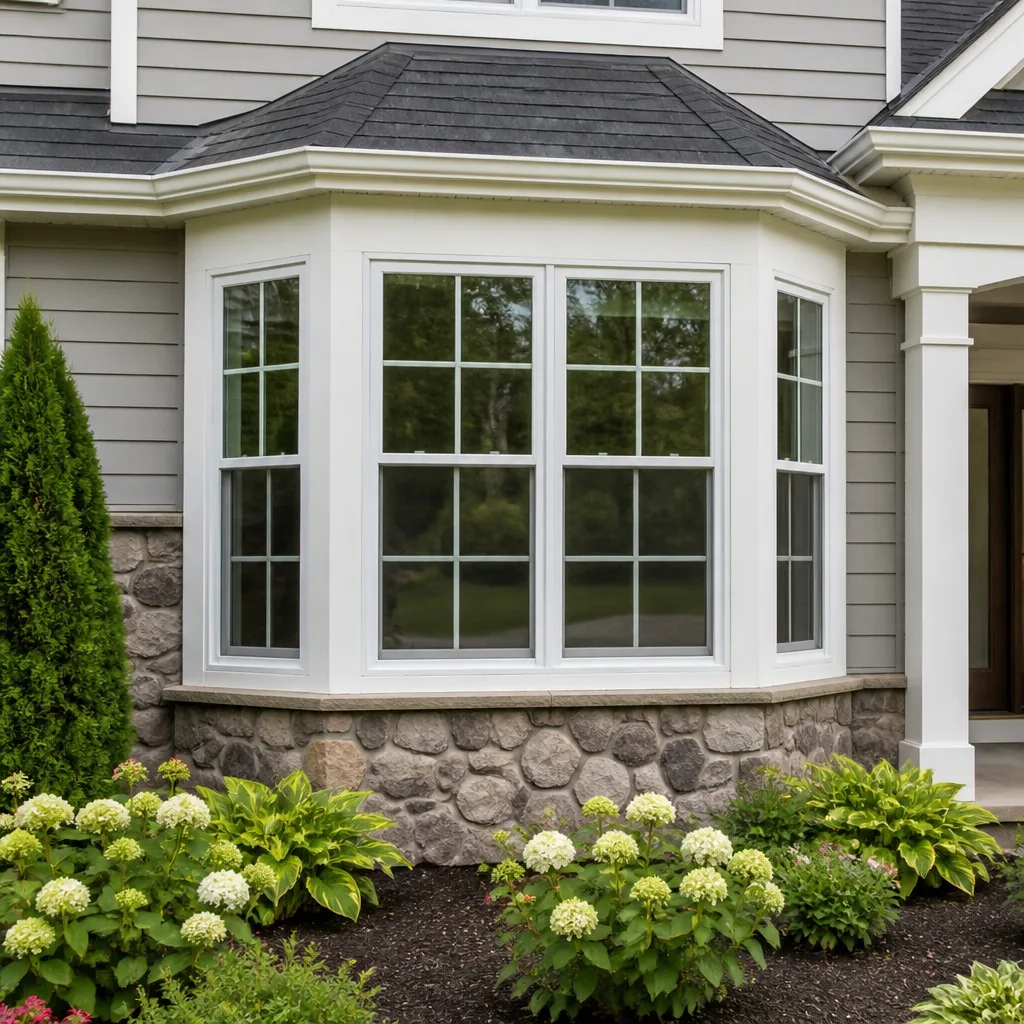 Bay & bow
 Entry doors
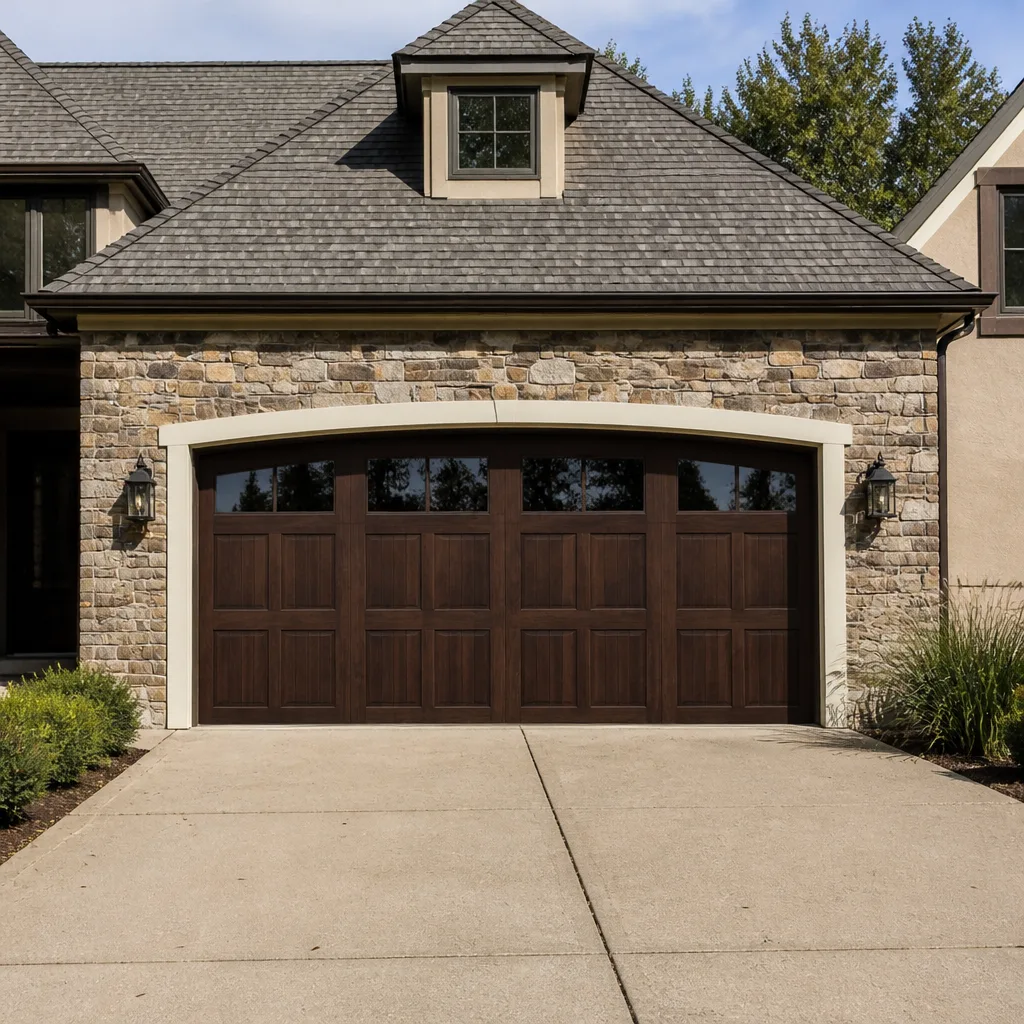 Impact garage doors
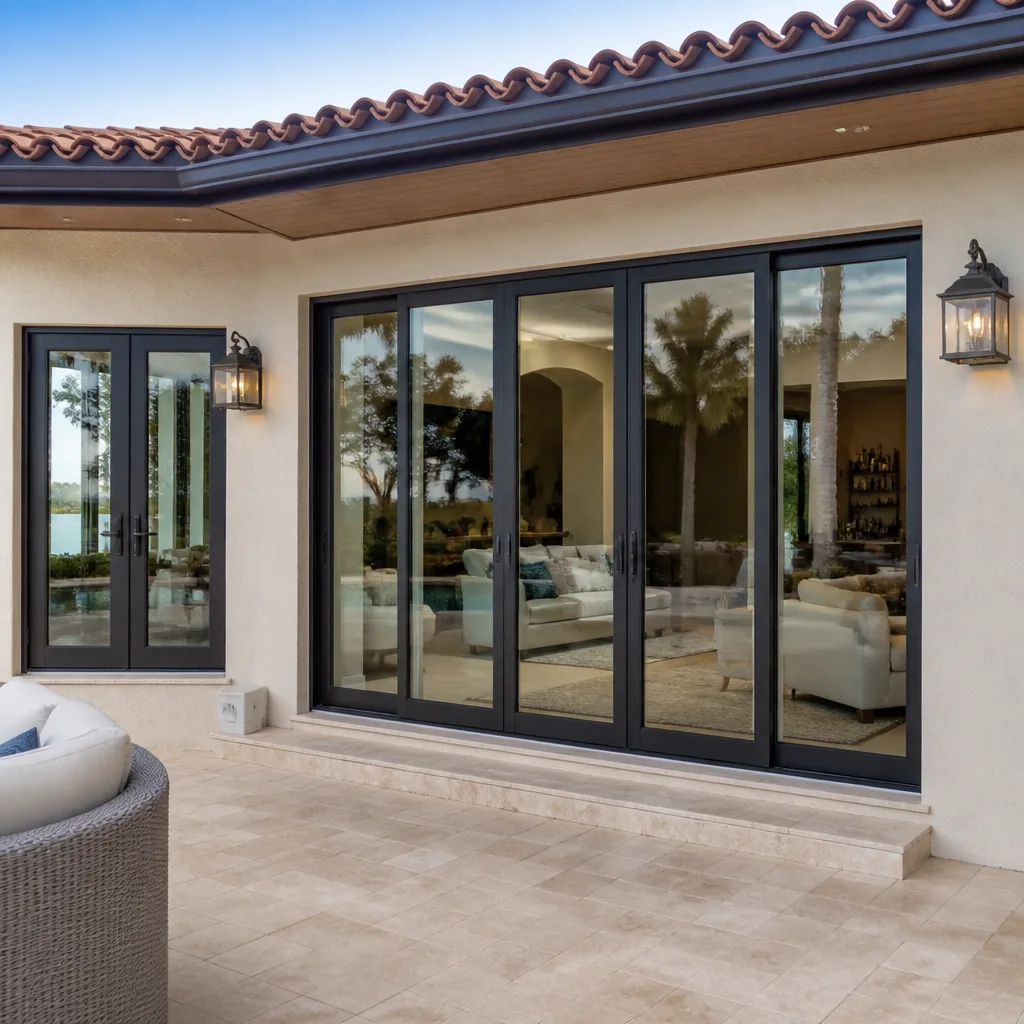 PGT
 CGI
Free in-home measure and quote - PGT, CGI and CWS impact lines compared on your actual openings, style by style
Get your free estimateDIY vs Professional Windows & Doors: The Boulder City Homeowner’s Decision Guide
Here’s the fact most homeowners don’t learn until after the work is done: a window installed by the homeowner, without a permit and an inspection sign-off, usually voids the manufacturer’s warranty on that unit. Not because the install was bad. Because the registration agreement requires proof of licensed installation, and without it the warranty term doesn’t apply. In Boulder City, where summer temperatures swing hard enough to test every seal and shim, that difference shows up fast. This guide is the calculation we wish more homeowners made before picking up a pry bar: what DIY really costs once you factor in warranty, permits, and energy performance, and where the line sits between a Saturday project and a call to a professional.
Quick Answer
For most Boulder City homeowners, professional installation is the better call on any full window or door replacement, mainly because owner-installed units typically lose their manufacturer warranty and leave no permit record, and because the tolerances that matter in this climate are hard to hit without training. A competent DIYer can safely handle screens, weatherstripping, and hardware adjustment. Flashing, rough-opening changes, and exterior sealing on stucco are where the real risk lives, and where a failed install costs more to fix than the original labor would have.
Styles & brands we work with
- Single hung
- Double hung
- Horizontal roller
- Casement
- Bay & bow
- Sliding glass doors
- Entry doors
- Impact garage doors
- PGT
- CGI
Table of Contents
- What the Manufacturer Warranty Actually Says About Owner-Installed Units
- The Tolerances That Matter in Boulder City’s Climate
- Which Tasks Are Genuinely Low-Risk for a DIYer
- Which Tasks Create Liability: Flashing, Framing, and Stucco
- What Boulder City’s Building Department Requires
- The Real Cost Comparison: Labor, Warranty, and Re-Work
- Energy Performance: Where DIY Installs Fall Short
- The First Monsoon Season Test
What the Manufacturer Warranty Actually Says About Owner-Installed Units
The first document a Boulder City homeowner should read before buying a window isn’t the spec sheet. It’s the warranty registration agreement. Most manufacturer lines, including the PGT and CGI products we install regularly, write the warranty to cover the unit as installed by a licensed professional. That’s not a technicality buried in the fine print. It’s often the first substantive clause, and it’s the one that decides whether a failed seal in year three is a free replacement or your problem.
Here’s how the two warranty layers usually break down:
- Manufacturer unit warranty covers glass, frame, and hardware defects. It typically requires proof of licensed installation and, on replacement work, an inspection sign-off from the local authority having jurisdiction.
- Installation workmanship warranty covers the labor and the seal. This is only as good as the company that performed the work, which is why the term length and the registration process matter every bit as much as the unit warranty.
When a homeowner installs the unit themselves, the second layer simply doesn’t exist. The first layer is often voided or reduced to a materials-only credit that covers far less than the unit cost. So a homeowner who saves $600 to $1,200 in labor on a Boulder City install may be handing back a warranty worth considerably more over the life of the window.
This is the part of The Keystone Standard we take seriously. Both warranty layers get registered in writing, with the durations stated, before our technicians leave the driveway. If you’re comparing quotes in Boulder City, ask each company how they register the manufacturer warranty and what happens to it if the inspection sign-off comes back with a correction. The answer tells you more than the price does. You can see how this works on our Window Installation in Boulder City page.
The Tolerances That Matter in Boulder City’s Climate
Boulder City sits in a thermal-cycling environment, and that changes the math on installation tolerances. A window frame that’s plumb within 1/8 inch per 8 feet stays true in a mild climate. In Boulder City, where exterior surfaces can swing 40 to 50 degrees between a July afternoon and a January morning, that same frame moves. The shimming has to account for the movement, not just the level at install time.
What goes wrong when the shim tolerance is off:
- The sash binds in one season and drags in another, wearing the weatherstripping unevenly and opening a gap along the meeting rail.
- The glazing unit sits in a frame that’s slightly out of true, and the seal between glass and frame flexes. That’s how fogged units happen in a five-year-old window.
- Water finds the low corner of the frame and pools against the sill instead of draining through the weep system, because the frame is tipped the wrong way by a quarter inch.
A trained installer checks plumb, level, and square at the rough opening, at the frame, and after the sash is hung. That’s three checks per opening, and every one of them matters more in Boulder City than it would in a coastal climate. Our technicians have up to 18 years of experience setting windows in this kind of heat cycling, and the tolerance is not something a first-time installer hits by feel. It’s something you learn by being called back to a window that isn’t true.
The same rule applies to doors. A patio door that binds in July because the frame wasn’t set level will keep binding every summer. You can read more about the specific tolerances on our Door Installation in Boulder City page.
Which Tasks Are Genuinely Low-Risk for a DIYer
We’re not going to tell you that every window task needs a professional. That would be dishonest, and it would waste your money. Some jobs are genuinely within reach for a careful homeowner, and doing them yourself is fine. Here’s the honest list:
- Screen replacement. Re-screening a frame or replacing a torn spline is a low-risk job with inexpensive parts. If the screen frame itself is bent, a replacement screen from the manufacturer is a straightforward swap.
- Weatherstripping on doors. New weatherstripping, a new door sweep, or a new threshold seal are all simple tasks that don’t touch the structural install or the warranty.
- Hardware adjustment. Tightening a hinge, adjusting a lock strike plate, or lubricating a track are safe, low-cost maintenance tasks. A door that drags slightly can often be fixed with a screwdriver and ten minutes.
- Cleaning weep holes and tracks. Keeping the weep system clear on sliding doors and windows is maintenance a homeowner should do. It’s the single easiest way to prevent water damage in a Boulder City home.
The line is clear once you name it: anything that touches the structural opening, the weather barrier, or the frame’s relationship to the wall is a professional job. Anything that touches only the surface hardware or the screen is yours to handle.
Which Tasks Create Liability: Flashing, Framing, and Stucco
This is where DIY window work goes wrong in Boulder City, and where the cost of a mistake multiplies fast. Three tasks carry almost all the risk:
Flashing integration. Flashing is the weather barrier detail that keeps water out of the wall cavity around the window opening. It has to be layered correctly, integrated with the house wrap, and lapped in the right direction so water sheds outward. A flashing detail that’s backward or incomplete doesn’t leak the first year. It leaks after two or three, when the wall assembly has soaked up enough moisture to show a stain on the interior drywall.
Rough-opening modification. If a new unit is a different size than the old one, the rough opening has to be reframed. That’s structural work. It needs a permit, an inspection, and a framing detail that carries the load correctly. This is not a job to take on because a video made it look easy.
Exterior sealant on stucco. Sealing around a window in a stucco wall is not a caulk-gun job. Stucco needs a specific sealant joint, a backer rod, and a bond-breaker detail so the sealant can move with the wall. Applied wrong, the sealant cracks within a season, and water gets behind the stucco. Repairing stucco is expensive, and it’s not covered by the window warranty.
If you’re replacing windows and the exterior is stucco, this is the single biggest reason to bring in a professional. The installation isn’t just setting a unit. It’s closing the wall correctly so the window and the wall both stay dry. That’s the craft commitment, and it’s why our crews measure every opening twice before the old unit comes out.
What Boulder City’s Building Department Requires
Boulder City’s building department requires a permit for window and door replacement where the unit is being replaced or the opening is being modified. A homeowner-builder can pull the permit directly, which is the route many DIYers take. The permit itself isn’t the problem. The inspection process is where the DIY calculation gets interesting.
Here’s what the inspection actually covers:
- The rough opening is framed correctly and the unit is set plumb, level, and square within the code tolerance.
- Flashing and weather barrier details are installed correctly around the opening.
- The unit is properly anchored and the exterior seal is completed.
The inspection is a useful backstop, but it’s a visual check at a point in time. It doesn’t tell you whether the shims will hold through a thermal cycle, whether the sealant bond will survive a monsoon, or whether the interior trim will reveal a frame that’s slightly out of true six months later. A licensed installer brings more than an inspection pass. They bring a process, and often a warranty that covers the work itself.
The other thing to know: when you sell the house, a replacement window with a permit record and a licensed-installation record is a documented asset. A DIY install with no permit record is a question on a disclosure form. In a Boulder City market where buyers are cautious, that matters.
The Real Cost Comparison: Labor, Warranty, and Re-Work
Most DIY-versus-pro comparisons stop at the labor number. That’s the least interesting part of the math. A real comparison for a Boulder City homeowner looks like this:
- DIY labor savings: the visible number. A homeowner setting a standard replacement unit might save the equivalent of the installer’s labor on that opening. On a single unit, it’s a real amount. On a whole-house project, the savings shrink per unit as the difficulty rises.
- Warranty value lost: the invisible number. The manufacturer’s unit warranty coverage that’s voided or reduced when the install isn’t licensed. On a window with a 20-year glass seal warranty, that’s a real replacement cost if the seal fails in year eight.
- Energy performance gap: the number nobody measures. A unit set out of true by a quarter inch can lose a measurable amount of its rated performance because the seal and the frame are working against each other. Over a Boulder City summer, that shows up on the power bill.
- Re-work cost: the number that decides the comparison. If the DIY install fails within the first monsoon season, the homeowner pays for the correct install plus the cost of fixing whatever the failed install damaged. That’s the scenario where DIY costs more than the professional bid by a wide margin.
Here’s a rough way to frame the labor difference. On a standard replacement window, professional installation labor runs in a range that reflects the opening difficulty, the exterior material, and whether the trim is being replaced. That’s the number a homeowner looks at. But add the warranty value, add the risk-adjusted re-work cost, and the professional bid is usually the cheaper option on a full replacement. Where DIY wins cleanly is on the maintenance tasks we listed earlier. That’s the honest split.
For a side-by-side comparison that breaks out the labor line from the material line, look at our Window Replacement in Boulder City page. And if you want to see how a manufacturer line like ViewLux or CWS prices against the alternatives, we quote them on paper, side by side, so the choice is transparent. Upfront pricing, no surprises on the bill.
Energy Performance: Where DIY Installs Fall Short
Boulder City’s summers put real demand on a window’s thermal performance. When a unit is installed correctly, the frame, the glass, and the seal work as one system. When it’s installed slightly out of tolerance, that system breaks down in ways that don’t show up immediately.
The common energy failures on a DIY install in this climate:
- Air infiltration around the frame. A frame that isn’t shimmed tight to the rough opening leaves a gap that insulation doesn’t fully close. In summer, that gap pulls hot attic air into the wall assembly.
- Failed seal due to frame stress. A frame out of true puts uneven pressure on the glazing unit’s perimeter seal. Over a couple of thermal cycles, the seal can fail, and a fogged unit is the first sign.
- Thermal bridging at the shim points. Shims that aren’t set at the correct bearing points create cold spots on the frame, which can lead to condensation on the interior in cooler months and heat gain in summer.
None of these failures announce themselves on day one. They show up in year two or three, and by then the warranty question is already settled. This is the part of the calculation that doesn’t fit on a spreadsheet: the cost of an install that has to be redone because the first one couldn’t hold its tolerances through a Boulder City summer.
The First Monsoon Season Test
Boulder City gets its moisture in a short, intense season, and that season is the real test of any install. A window that survives a dry spring can still fail the first hard monsoon rain if the flashing, the sealant, or the sill pan detail is wrong. This is the moment when the DIY decision either pays off or turns into a re-work bill.
What to watch for after the first significant monsoon rain on a new install:
- Any water stain on the interior drywall below or beside the window. That’s a flashing or sealant failure, not condensation.
- Water standing in the window track instead of draining through the weep holes. That’s a frame-tip problem or a blocked weep system.
- A sash that won’t close flush or that binds after the storm. That’s the frame moving because the shims weren’t set to handle the swing.
If any of those show up, the answer is a callback, not a second DIY attempt. The install has to be corrected at the weather barrier, and that means opening the wall detail back up. This is where the 90-Day Done Right Promise earns its place: if our work isn’t right within that window, we make it right, with no paperwork fight and no arguing over fine print. The work itself is the guarantee.
Common Mistakes to Avoid
- Buying the unit before reading the warranty registration agreement. The warranty terms decide more of the value than the unit’s spec sheet. Read the registration requirements first, then pick the unit.
- Skipping the permit on a replacement. A permit record is a documented asset and a backup if the work fails. Skipping it saves a fee and creates a problem at resale.
- Reusing the old flashing. Old flashing is already compressed and already aged out. Reuse it and the new window carries the old leak risk.
- Sealing stucco with a standard caulk joint. Stucco needs a proper sealant joint with a backer rod and a bond-breaker detail. A caulk bead alone cracks within a season.
- Setting the frame to a bubble level only. A level check doesn’t account for thermal movement. The frame has to be checked for plumb and square, not just level at install.
- Assuming the inspection pass means the job is done right. An inspection is a point-in-time visual check. It does not confirm the tolerances will hold through a summer.
- Using a second-hand unit with no installation record. A used unit that was pulled from another home has no warranty trail, and it often has a glazing seal that’s already near the end of its life.
See the difference
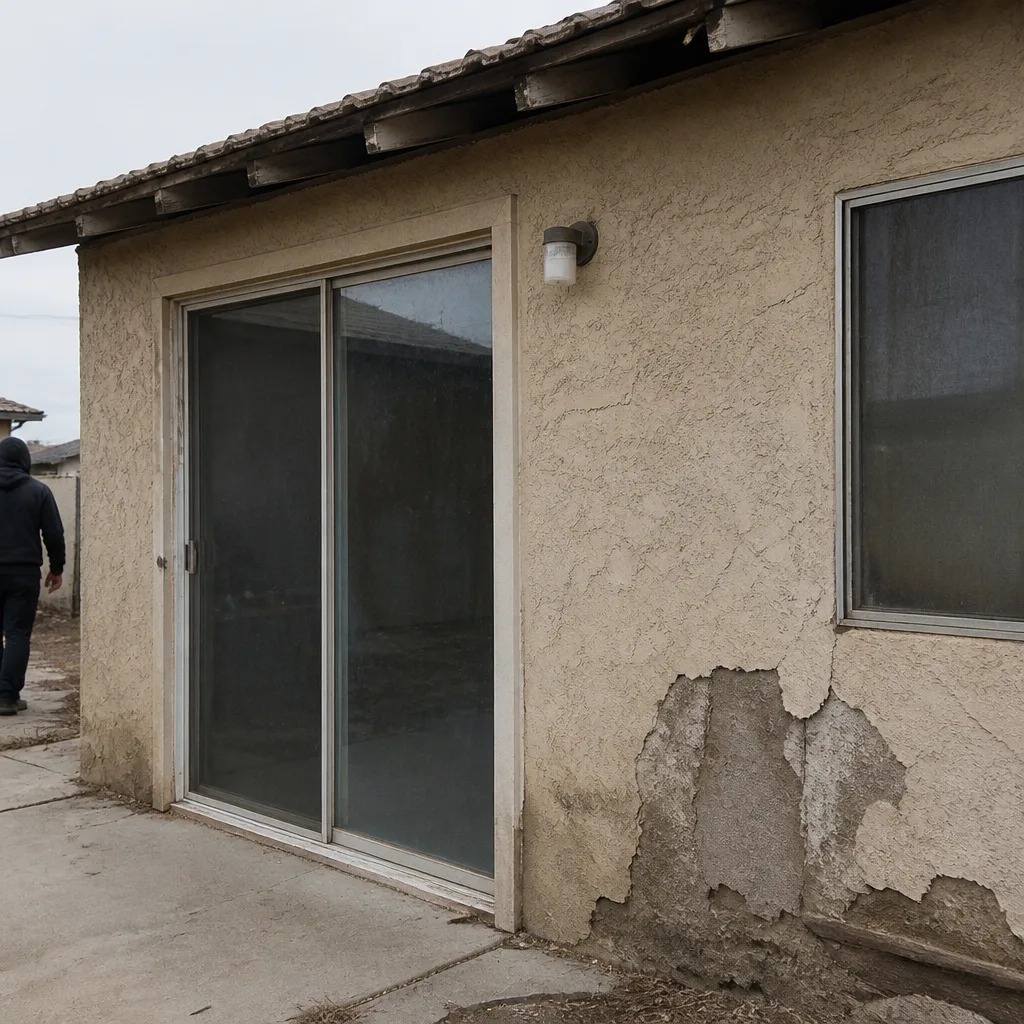 Before
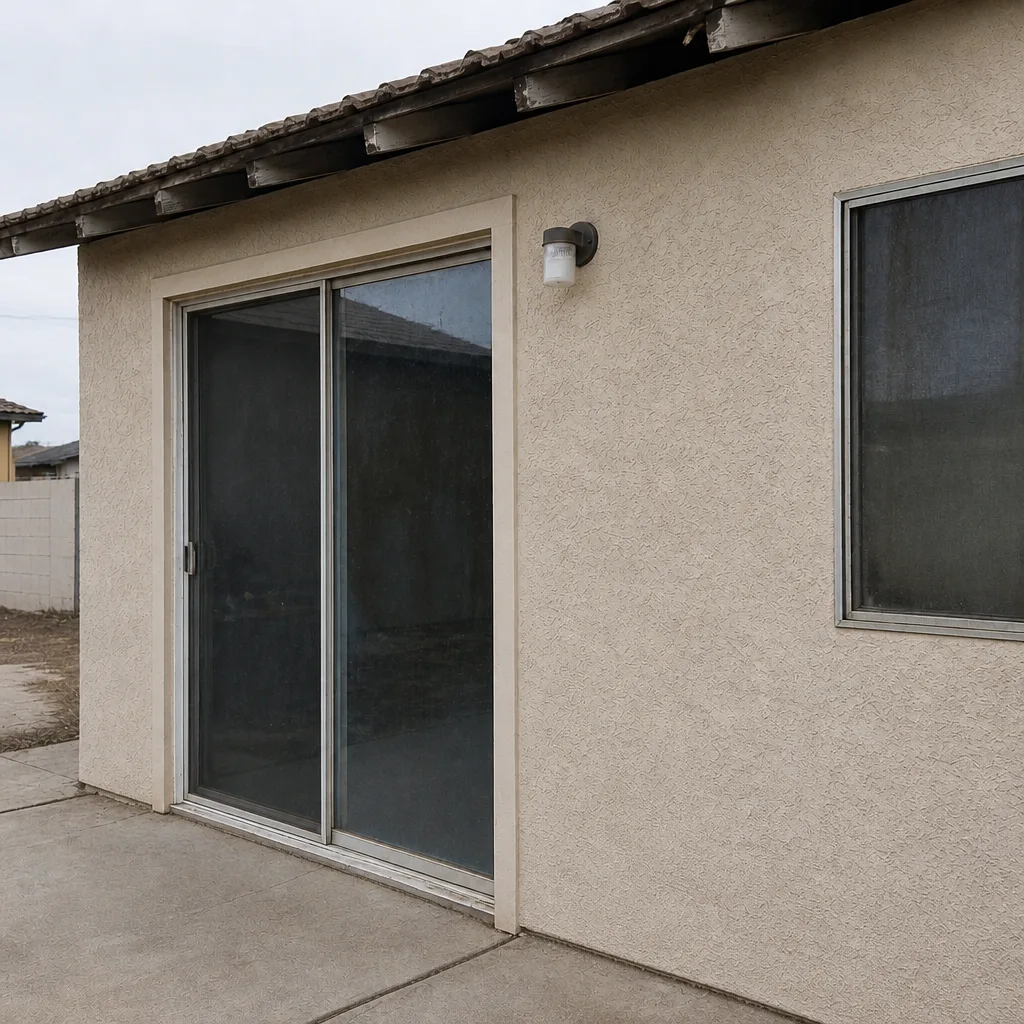 After
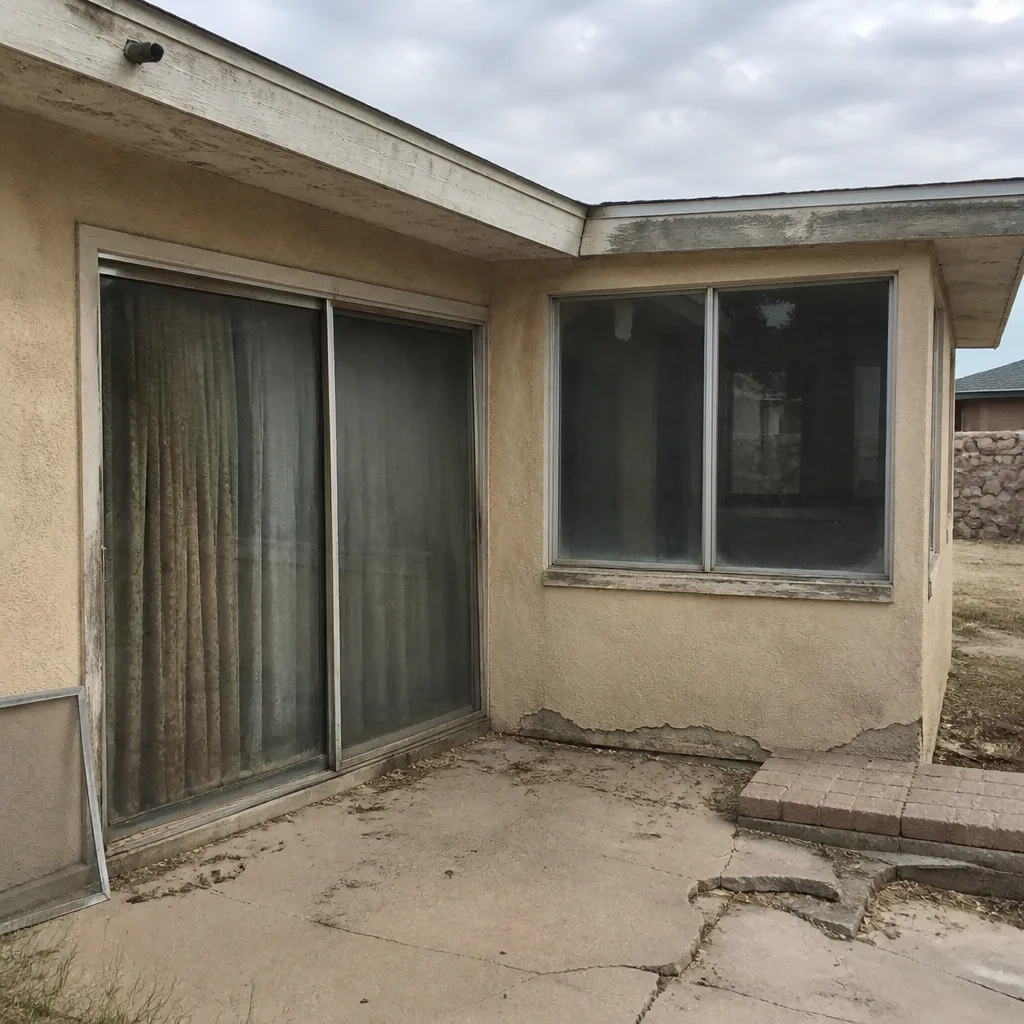 Before
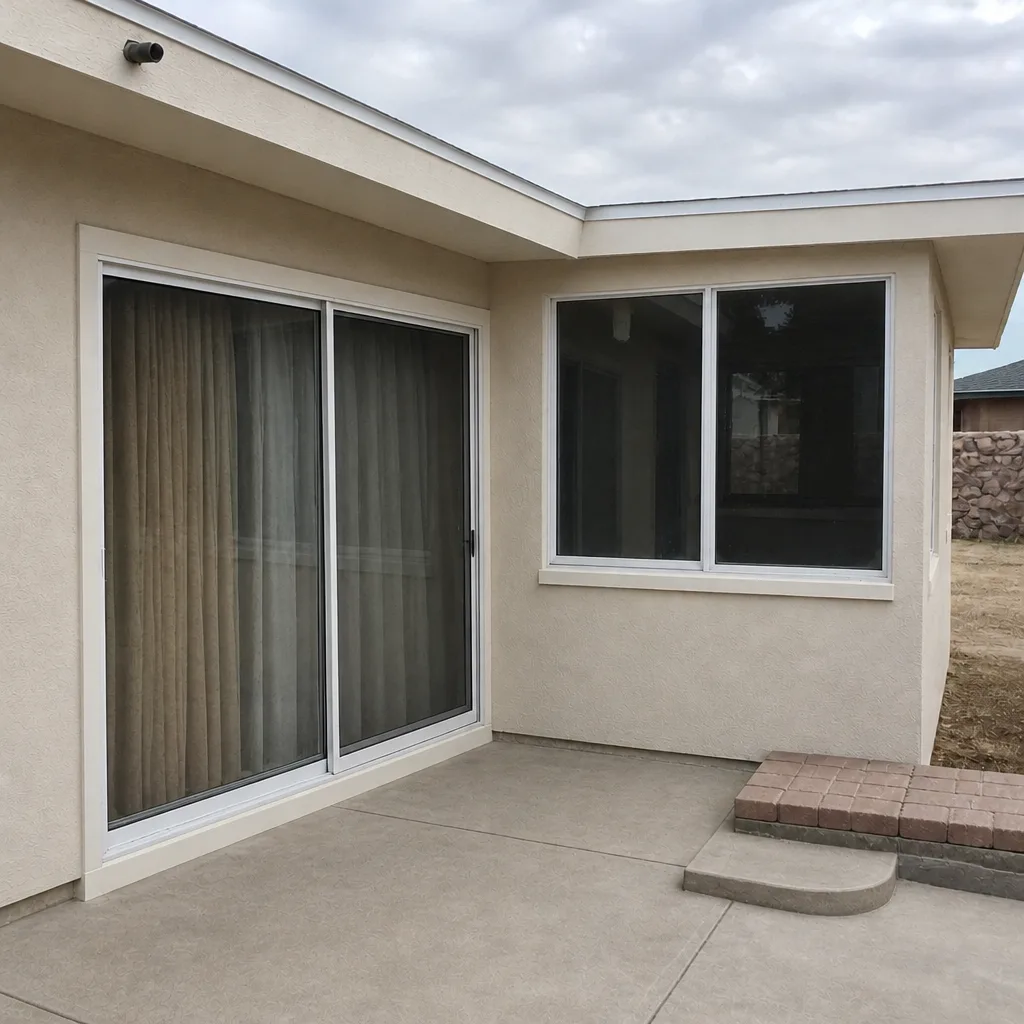 After
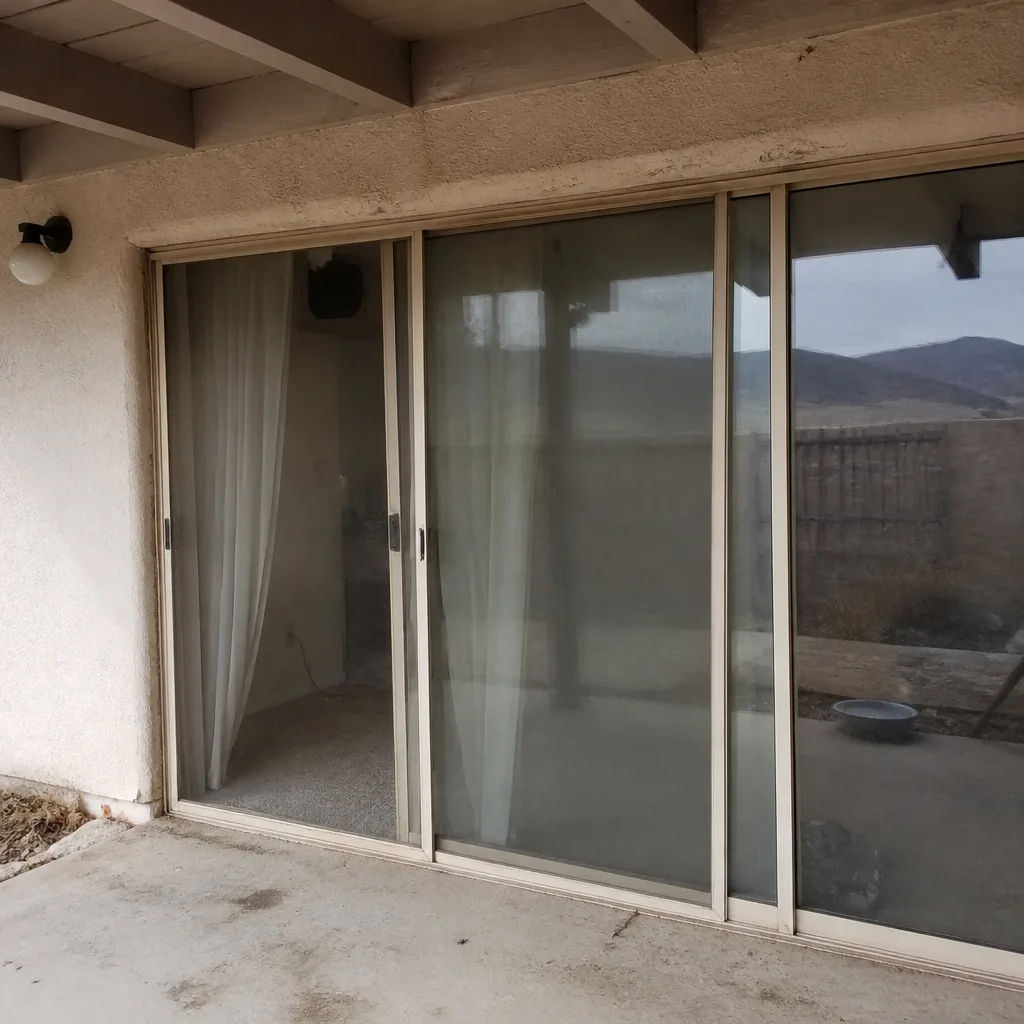 Before
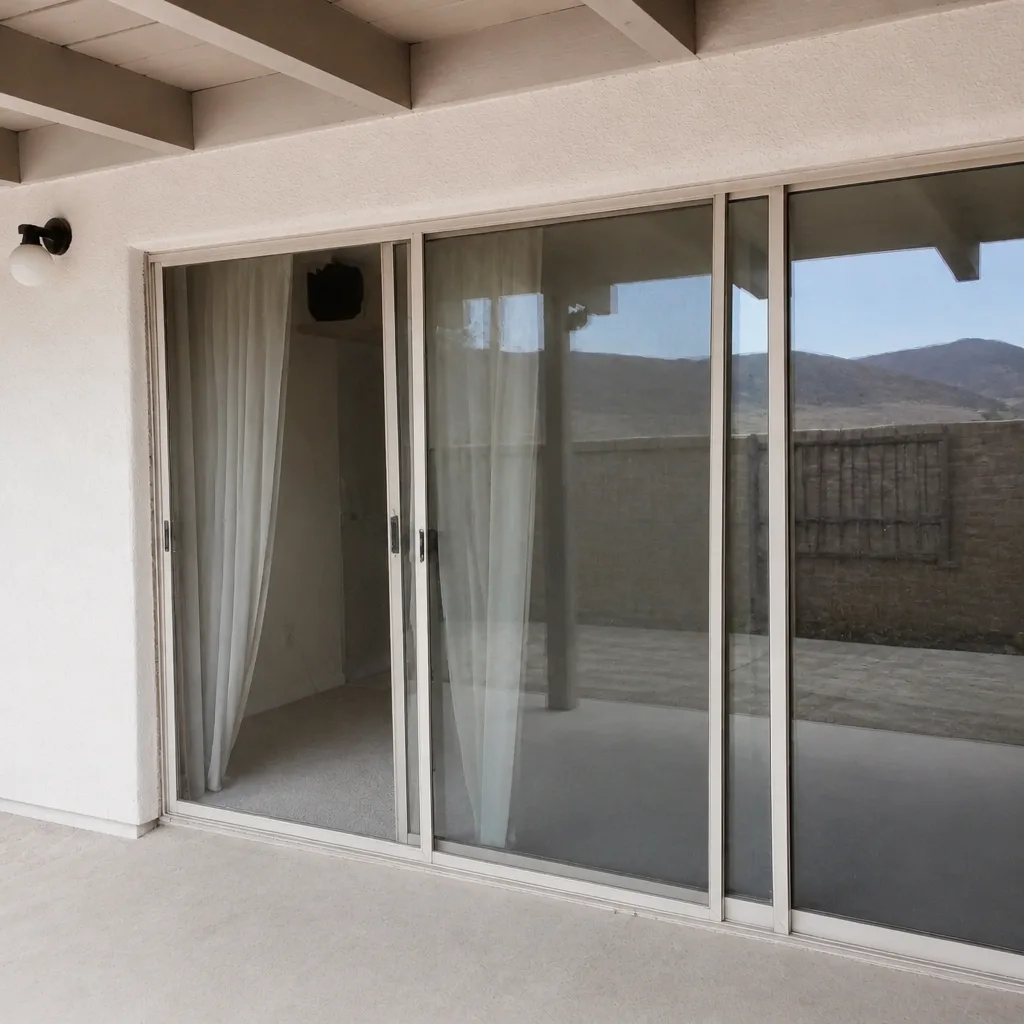 After
When to Call a Professional
Call a professional for any full window or door replacement, any rough-opening modification, any flashing or weather-barrier work, and any exterior sealant work on a stucco or masonry wall. Call for a permit-required replacement. Call if the unit is a different size than the existing one, if the frame is out of true, or if the glazing seal has failed. Call if the home is on a slope or the wall assembly has shown any prior moisture issue. And call if you’ve already had one installer leave a fogged seal or a door that binds in July; that is exactly the callback problem a second pass at the work should fix.
TruePane Windows & Doors Boulder City offers free estimates in Boulder City. We quote manufacturer lines side by side on paper, register both warranty layers in writing, and answer the phone with a live person 24 hours a day. Call (844) 560-0350 to schedule your free estimate.
Frequently Asked Questions
In most cases, yes. Most manufacturer warranty agreements require proof of licensed installation and, on replacement work, an inspection sign-off to honor the full term. Without that documentation, the unit warranty is often reduced to a materials-only credit or voided entirely. The warranty language, not the unit quality, is the first thing to read before buying.
Yes. Boulder City’s building department allows a homeowner-builder to pull a permit for window and door replacement work, and the work is subject to the same inspection as a licensed install. The inspection confirms the framing, flashing, and anchoring at a point in time, but it doesn’t cover the tolerance and weather-barrier details that show up over a season. Call (844) 560-0350 for a free estimate if you want the licensed route compared on paper.
Screen replacement, weatherstripping, door sweeps, hardware adjustment, and clearing weep holes and tracks are all safe DIY tasks. These touch only the surface hardware or the screen and don’t affect the structural install or the warranty. Anything touching flashing, framing, or the wall assembly is a professional job. Call (844) 560-0350 for an exact quote on the work you want handled.
A window binds in summer when the frame was set out of plumb or level and the thermal movement pushes the sash against the frame. Boulder City’s temperature swings are hard enough that a quarter-inch out of tolerance at install becomes a binding sash in July. The fix is to correct the frame, not to force the sash. Call (844) 560-0350 if you want the frame checked by a technician.
Professional installation adds labor to the unit cost, and the labor number varies with opening difficulty, exterior material, and trim. The DIY savings on labor are real, but they’re offset by the warranty value lost and the re-work risk if the install fails in the first monsoon. Add those in and the professional bid is usually the cheaper option on a full replacement. Call (844) 560-0350 for a free written estimate that separates the labor line from the material line.
A leak during the first monsoon points to a flashing, sealant, or frame-tip failure, and it has to be corrected at the weather barrier. That means opening the wall detail back up, which costs more than the original install. It’s also the failure mode that isn’t covered by a manufacturer warranty on a self-installed unit. Call (844) 560-0350 to have the detail corrected.
The Bottom Line
The DIY-versus-professional question for windows and doors in Boulder City comes down to three things: the warranty registration agreement, the permit record, and the tolerances that hold up through a thermal cycle. Handle the surface tasks yourself if you want; screens, weatherstripping, and hardware are yours to do. But any full replacement, any framing or flashing work, and any exterior sealant on stucco is a professional job, because the cost of a failed install outweighs the labor you’d save. We’ve watched the callback problem play out for more than four decades of community service, and it’s always the same lesson: an install is only as good as the tolerances it holds through its first summer.
If you’re ready to compare the professional route on paper, TruePane Windows & Doors Boulder City is an authorized installer for lines including Andersen, Pella, Marvin, Milgard, Jeld-Wen, PGT, CGI, and ES Windows. We register both warranty layers in writing, quote side by side, and stand behind the work with the 90-Day Done Right Promise and The Keystone Standard. A live person answers the phone 24 hours a day. Call (844) 560-0350 for a free estimate, and start with a TruePane Windows & Doors Boulder City home look at how we work.
Written by the team at TruePane Windows & Doors Boulder City.