
Last updated November 18, 2026
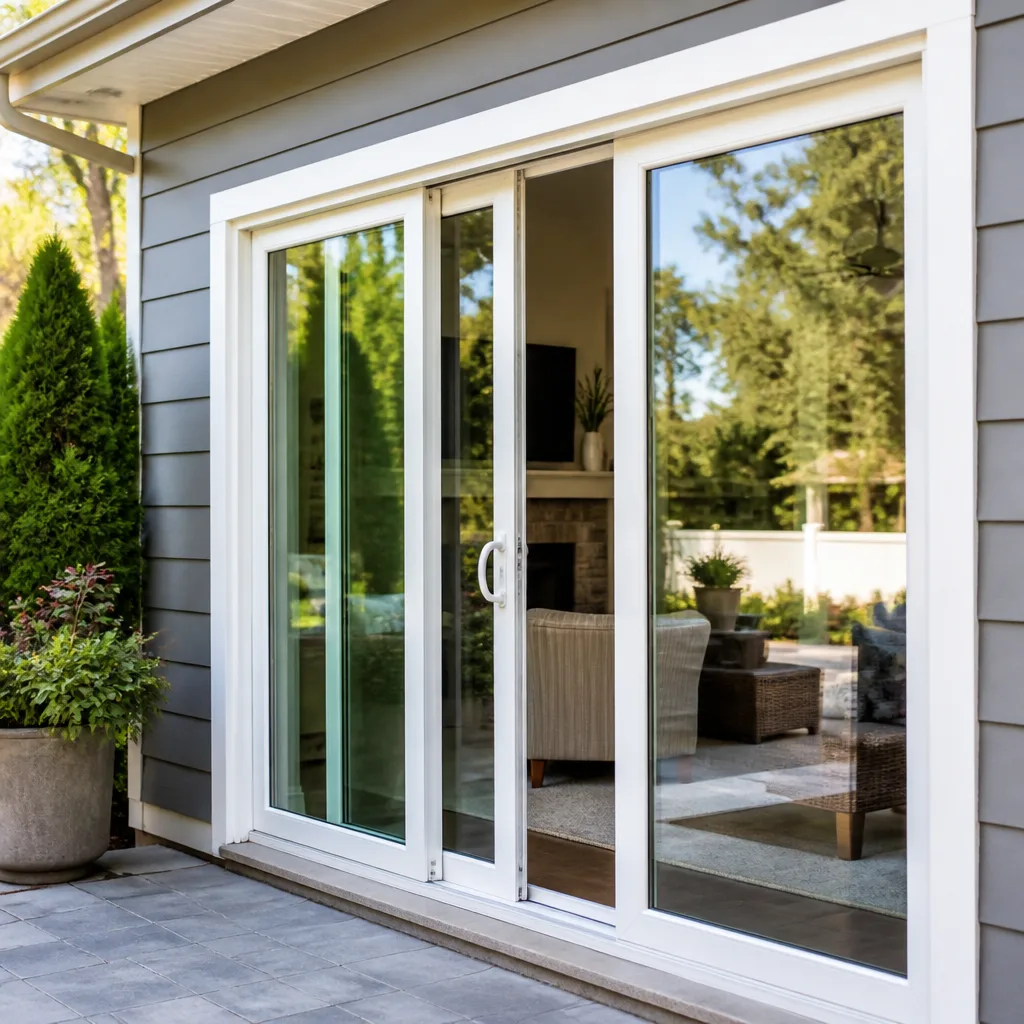 Sliding glass doors
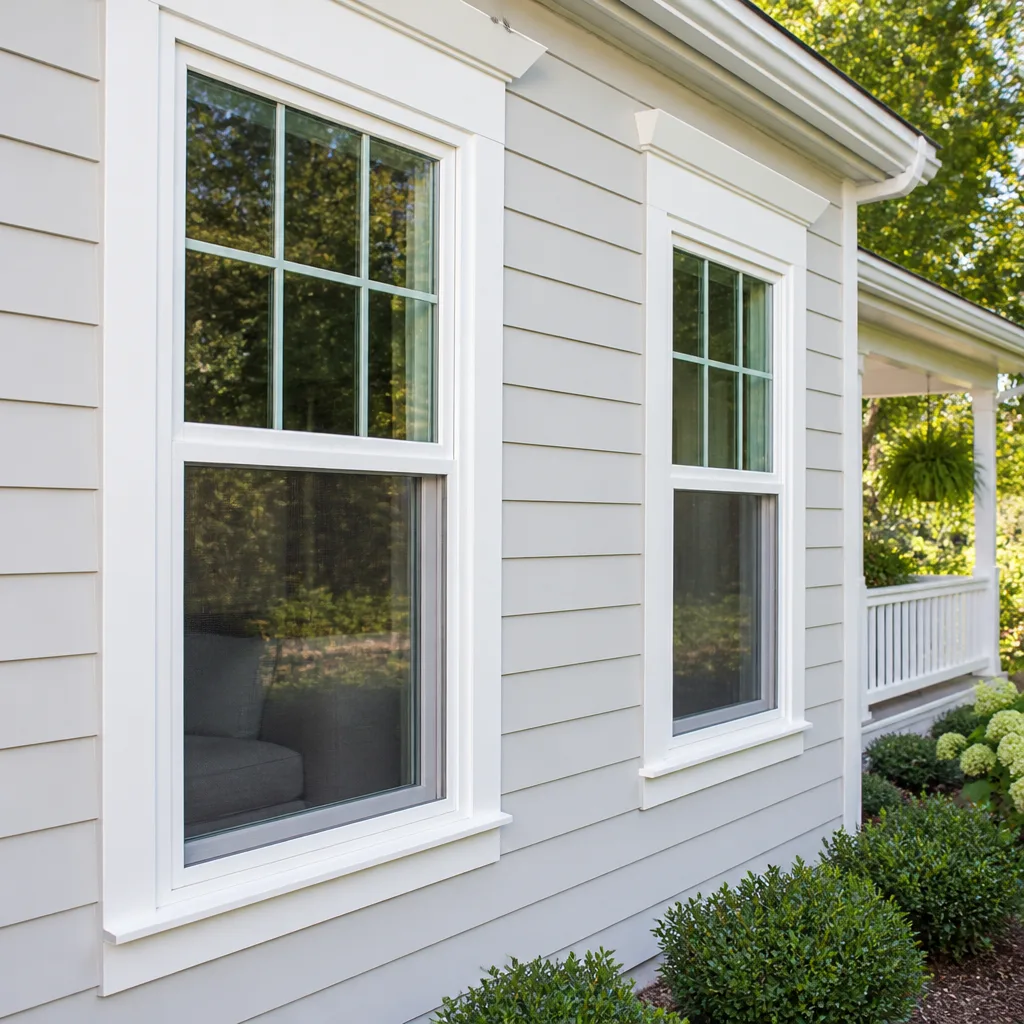 Single hung
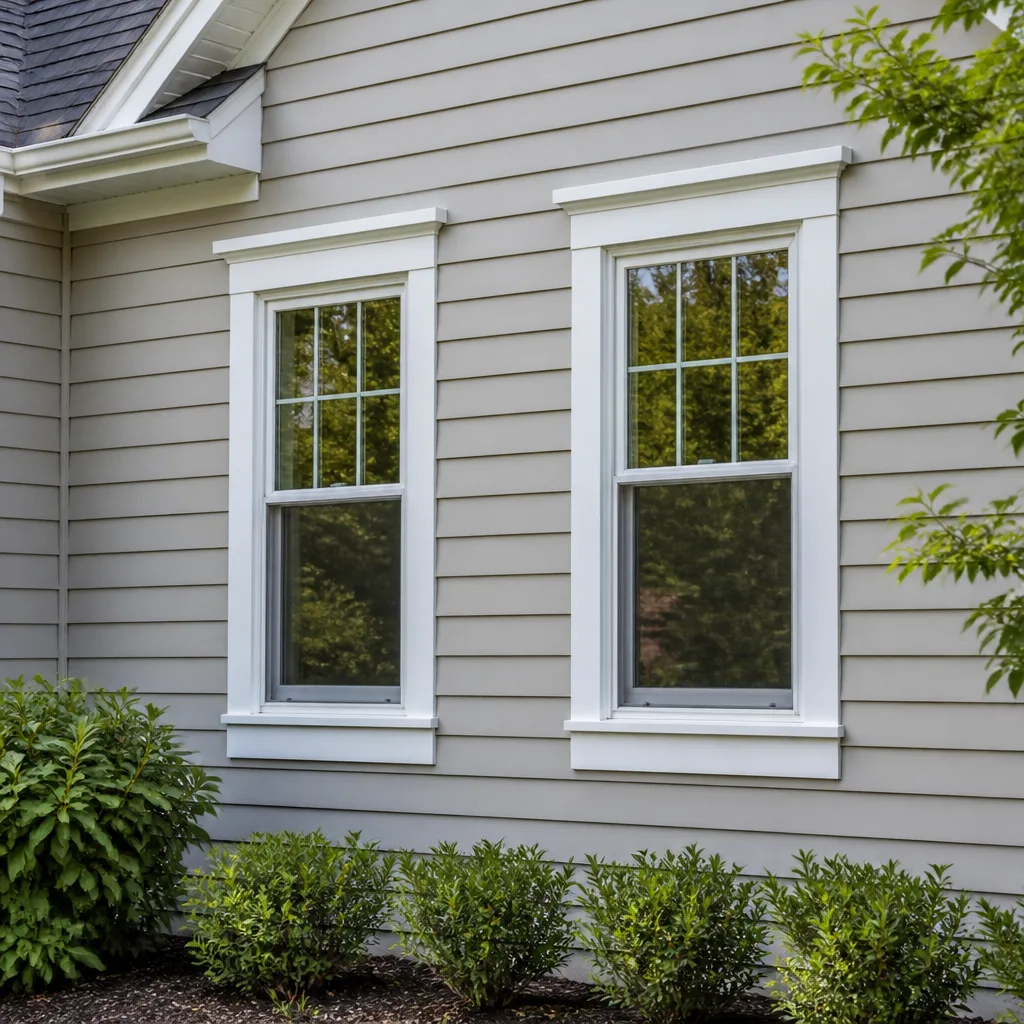 Double hung
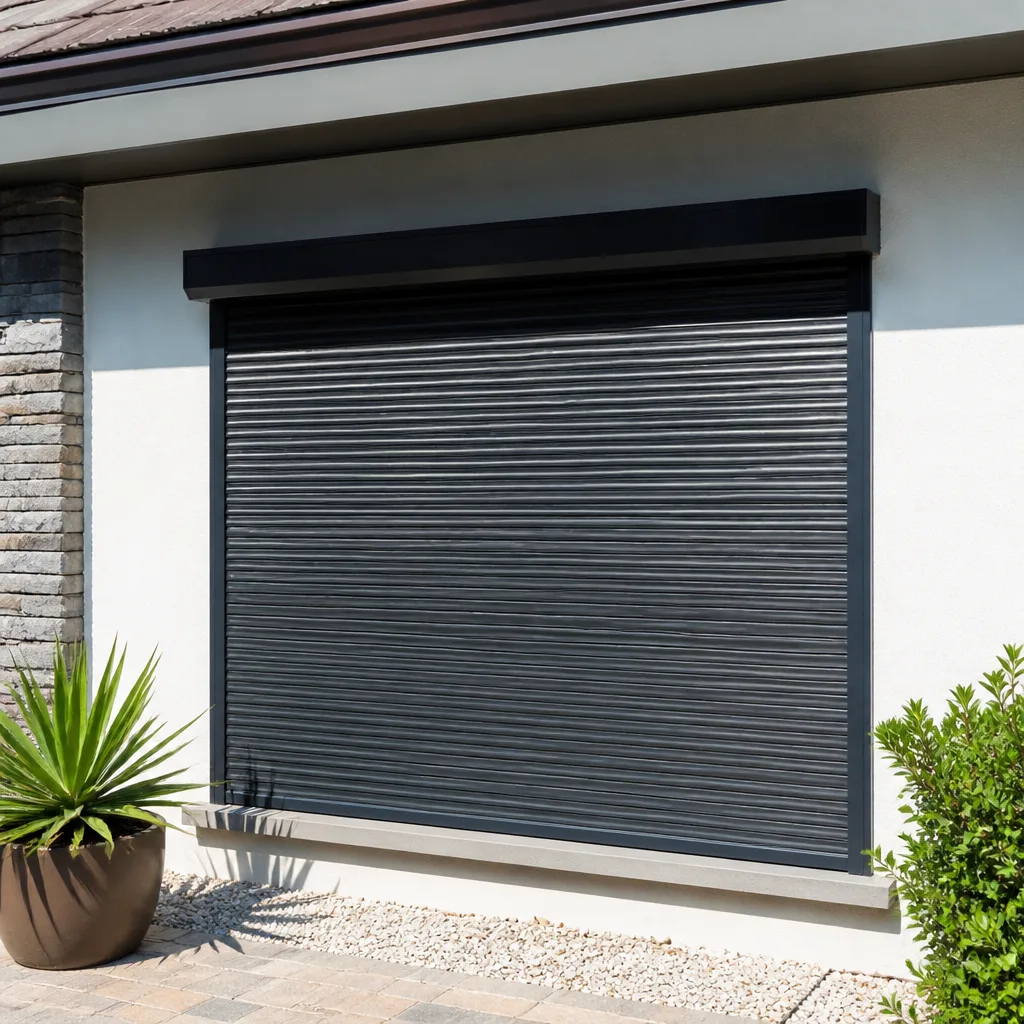 Horizontal roller
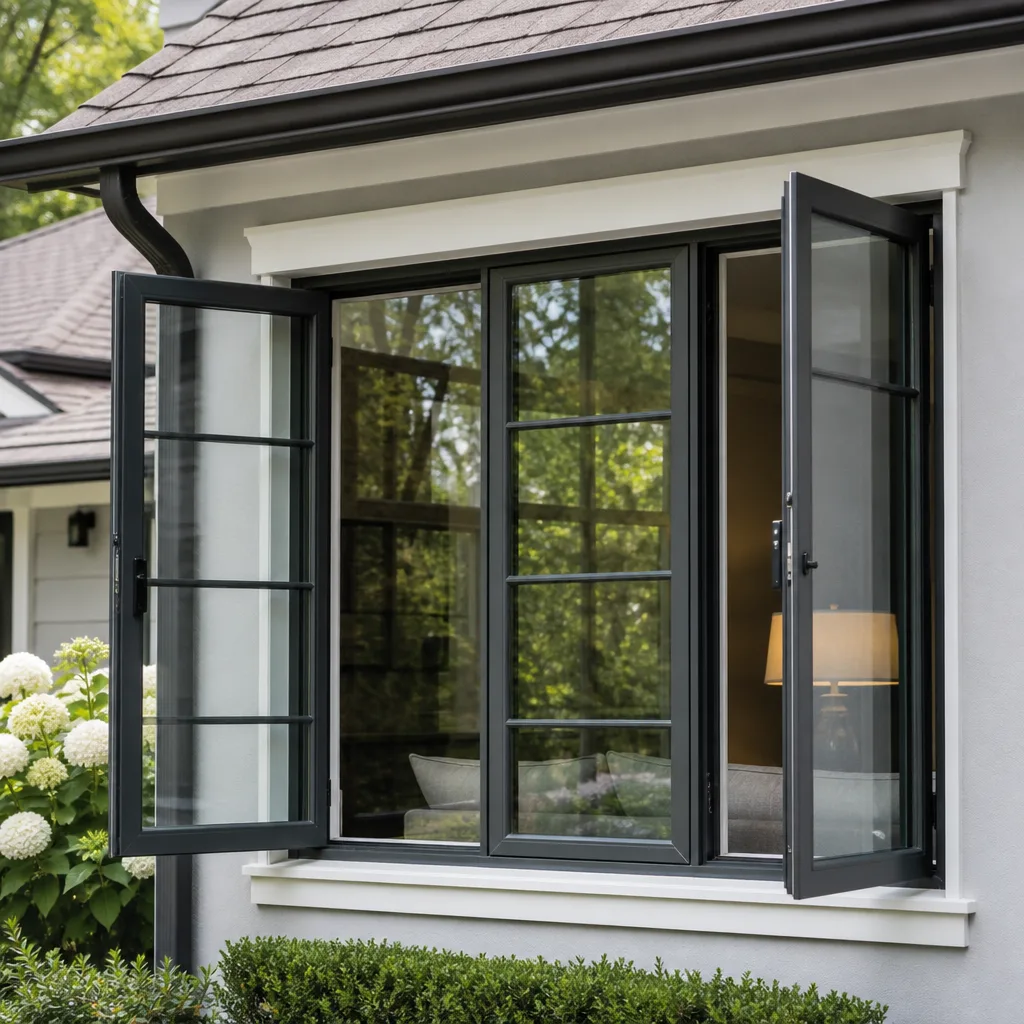 Casement
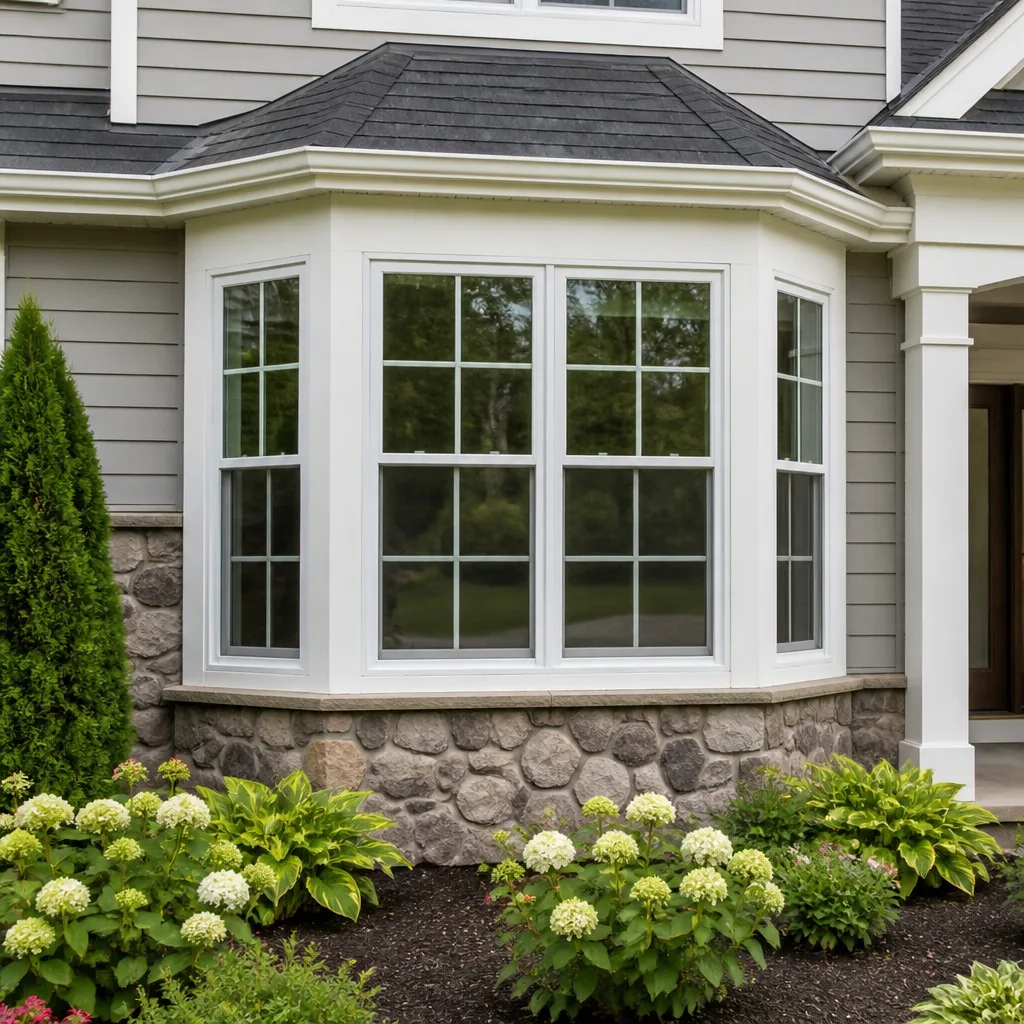 Bay & bow
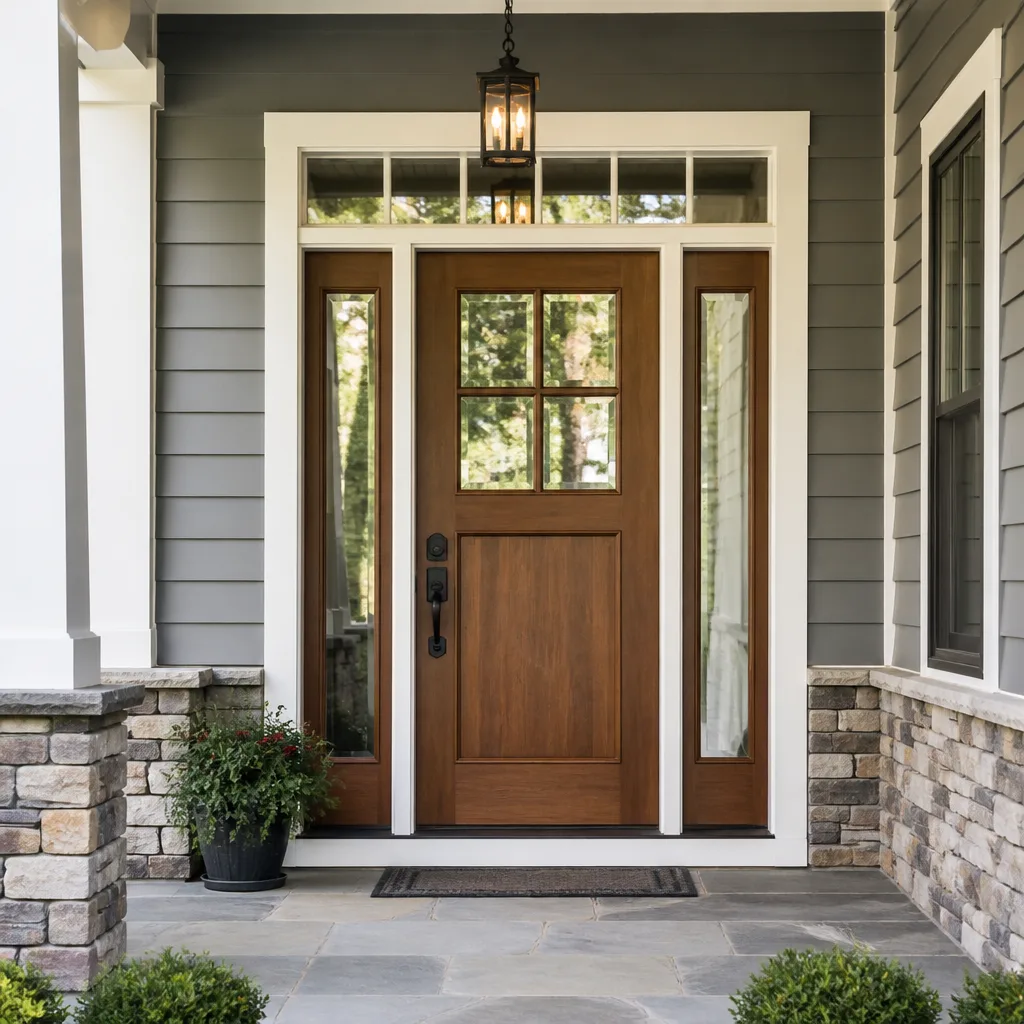 Entry doors
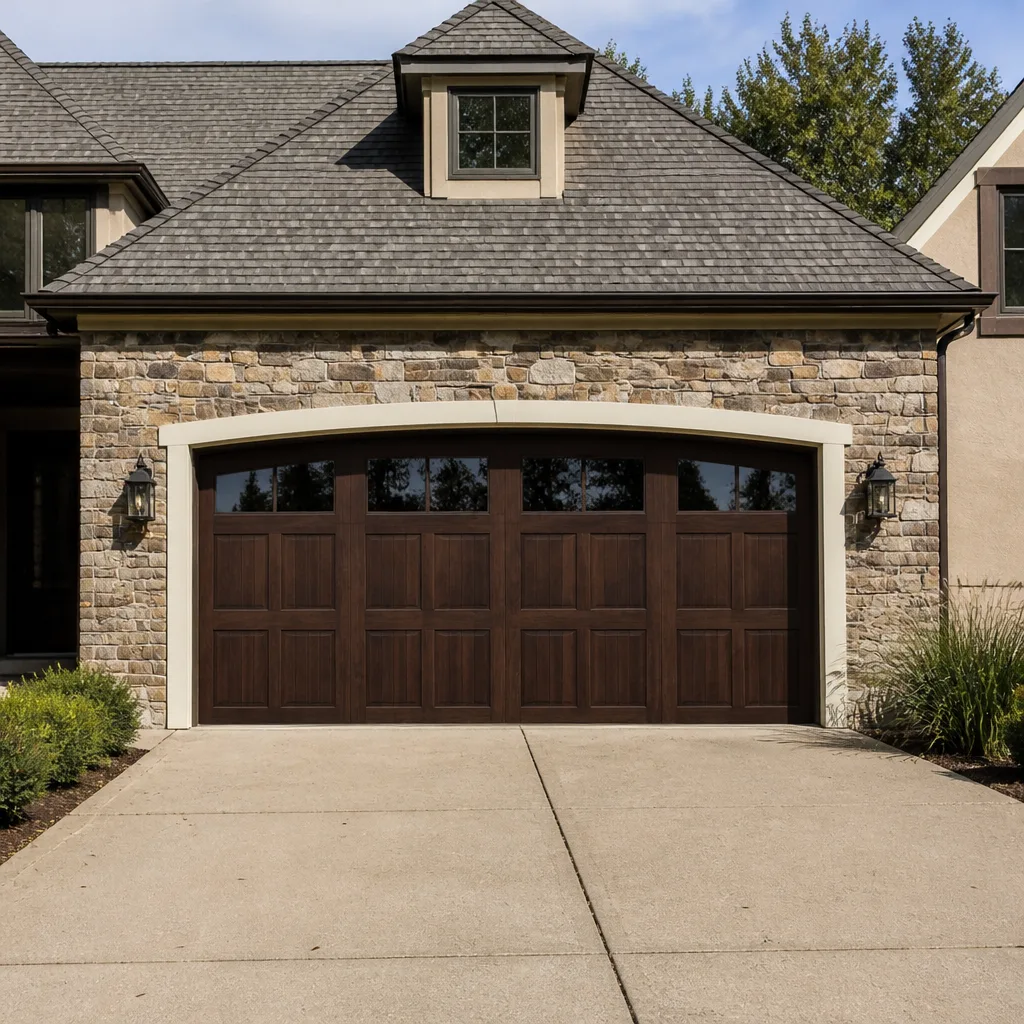 Impact garage doors
 PGT
 CGI
Free in-home measure and quote - PGT, CGI and CWS impact lines compared on your actual openings, style by style
Get your free estimateWindows & Doors Cost Breakdown: The Boulder City Homeowner’s Reference for 2026
Here’s the number that catches Boulder City homeowners off guard: the national average for a window replacement is quoted between $400 and $900 per opening, but when the invoice lands on a kitchen table in Boulder City, it often comes in 25 to 40 percent higher. Not because anyone was overcharged. Because that national figure leaves out Mojave-rated glazing, Boulder City permit fees, and the plain fact that this market is small enough that fewer than a dozen licensed glazing contractors service it. This guide names the real numbers, line item by line item, and explains what drives each one so you can read a bid with confidence.
Quick Answer
In 2026, a standard single-window replacement in Boulder City typically runs $850 to $1,600 fully installed, while a whole-home project averages $1,100 to $1,450 per opening once labor savings and disposal are bundled. Entry doors land around $1,200 to $3,200 installed, and patio or sliding doors run $2,400 to $6,500 depending on size and glass package. The gap between national averages and Boulder City reality is driven by three things: desert-rated glazing specifications, municipal permit fees, and a contractor market with limited competition.
Styles & brands we work with
- Single hung
- Double hung
- Horizontal roller
- Casement
- Bay & bow
- Sliding glass doors
- Entry doors
- Impact garage doors
- PGT
- CGI
Table of Contents
- What does a window replacement actually cost in Boulder City, line by line?
- Why fiberglass frames cost more upfront in Boulder City but less over 20 years
- How project scope changes the per-unit price
- What’s missing from most quotes (and how to spot it)
- How to normalize two competing bids that show different totals
- What do door replacements cost in Boulder City?
- Boulder City permits, codes, and inspections: what to expect
- How long does a window or door project take?
What does a window replacement actually cost in Boulder City, line by line?
A standard Boulder City window replacement breaks into five cost buckets, and a bid that doesn’t show all five is either bundling them invisibly or leaving them out. Here’s what each bucket runs in 2026 based on projects we’ve seen across the city, from Pioneer Heights to the older stretches along Nevada Way:
- Unit cost (the window itself): $320 to $780 for a standard vinyl double-hung, $540 to $1,150 for fiberglass, and $900 to $1,800 for wood-clad. This is the manufacturer’s price for the assembled unit before any glass upgrade.
- Mojave-rated glazing upgrade: $70 to $180 per window. This covers Low-E coating, argon fill, and the solar heat gain coefficient that actually matters in a climate where summer highs routinely cross 105°F.
- Boulder City permit fee: $90 to $220 for a residential window replacement permit, depending on the number of openings. This is paid to the city, not to the contractor, but a legitimate bid either includes it as a line item or states clearly that it’s excluded.
- Labor (removal, setting, flashing, trim): $280 to $520 per opening in this market. This is where the thin-contractor premium shows up.
- Disposal and haul-away: $35 to $75 per window. Old units don’t vanish; they go to the landfill, and someone pays the tipping fee.
Add those ranges and you arrive at $795 to $1,775 per opening, which brackets the sensible $850 to $1,600 typical range. When a bid comes in far below that floor, the missing dollars are sitting in one of these buckets. For a fuller picture of how these line items map to our actual process, see our Window Replacement in Boulder City page.
Why fiberglass frames cost more upfront in Boulder City but less over 20 years
Vinyl is the default choice in most American markets because it’s cheap and it works fine in moderate climates. Boulder City isn’t a moderate climate. In summer, the exterior of a south-facing window can reach 160°F in direct sun; in winter, overnight lows dip into the 30s. That swing, repeated daily for two decades, is what separates frame materials over time.
Vinyl expands and contracts more with temperature than fiberglass does. Over 15 to 20 years in desert sun, that movement shows up as warped sashes, sticking tracks, and seal failures that fog the glass. Fiberglass, which has a lower thermal expansion coefficient, holds its shape better under the same stress. Yes, it costs $200 to $400 more per opening upfront. But when a vinyl window fails at year 14 and a fiberglass one keeps sealing at year 20, the total-ownership math flips.
Here’s the 20-year comparison for a single 3-foot-by-5-foot double-hung in Boulder City:
- Upfront: Vinyl costs $540 to $900 installed; fiberglass costs $760 to $1,250 installed.
- Energy: Fiberglass frames hold their weatherstripping and seal longer, so cooling loss stays low through year 20. Vinyl weatherstripping typically needs replacing between years 10 and 14.
- Maintenance and repair: Plan on $150 to $350 in vinyl sash or weatherstrip repairs over 20 years; fiberglass typically runs $0 to $100.
- Replacement cycle: A vinyl unit in this climate often needs full replacement around year 18 to 22; fiberglass regularly lasts past 25.
Net those numbers and fiberglass usually comes out $300 to $600 ahead over 20 years. For a homeowner who plans to stay put, which describes most of the calls we take in Boulder City, that’s the material that makes sense. Brands like CWS and ES Windows both offer fiberglass lines worth comparing on paper side by side; our team can quote both without steering you.
How project scope changes the per-unit price
The single biggest lever on your per-window price isn’t the window – it’s how many you’re doing at once. A one-window call in Boulder City is an expensive window, because mobilization, permit filing, and trip charges land on a single opening. A whole-home project with 12 to 20 openings spreads those fixed costs across every window and drops the per-unit labor by 20 to 35 percent.
Here’s the realistic spread:
- 1 to 3 windows: $950 to $1,600 per opening. Full mobilization absorbed by a small count.
- 4 to 8 windows: $880 to $1,350 per opening. Crew efficiency starts to kick in.
- 9 to 15 windows: $800 to $1,200 per opening. The sweet spot for most Boulder City homes built in the 1970s through 1990s.
- 16+ windows (whole home): $740 to $1,100 per opening. Maximum labor amortization.
What a legitimate contractor can offer at scale is real: fewer trips, shared scaffolding or ladder setup, consolidated permit filing, and one dumpster instead of three. What a legitimate contractor cannot offer at scale without cutting corners is faster per-unit installation. If a bid claims labor of $180 per window on a 20-window job, ask what’s being skipped – usually flashing, proper shimming, or the second measure. Those three items are the difference between a window that seals for 20 years and one that leaks at year four.
For homeowners weighing a phased approach versus a whole-home project, our Window Installation in Boulder City page walks through how we structure scope and how we hold pricing steady across phases.
What’s missing from most quotes (and how to spot it)
The most common bidding trick in this trade isn’t a high price. It’s a low price that leaves out costs you’ll discover when the crew is already on your property and you don’t have leverage anymore. Four line items vanish from bargain bids more than any others:
- Boulder City permit fees: $90 to $220 for a typical residential replacement. A bid that says “permit not included” and doesn’t give you the number is a bid that will surprise you.
- Haul-away and disposal: $35 to $75 per opening. “We’ll leave the old units on your curb” means you’re calling the city yourself.
- Stucco or siding repair around the opening: $80 to $300 per window depending on damage. On the older homes near the Boulder City Historic District, this can run higher because the original stucco is often brittle and cracks during removal.
- Warranty registration: $0 in dollars, but high in cost if it’s skipped. If both the manufacturer’s product warranty and the installation warranty aren’t registered in writing before the crew leaves, you may find yourself with a failed unit at year seven and no coverage.
Spotting an omission is straightforward. Ask for a written line-item bid. If any of those four categories isn’t named, ask directly whether it’s included and, if excluded, what the actual dollar figure is. A straight contractor will give you the number without flinching. Our TruePane Windows & Doors Boulder City home page lays out how we build bids and what The Keystone Standard requires before we close a job file.
How to normalize two competing bids that show different totals
Two bids for “the same job” rarely mean the same work. One total might be $9,400; the other $12,100. The higher one may actually be cheaper over 20 years, or the lower one may be padded with change orders waiting to happen. You can’t tell from the bottom line. You can tell by normalizing both bids to a common structure.
Follow these six steps for every bid comparison:
- Demand line-item format. Ask each contractor to break the bid into: unit, glazing, permit, labor, disposal, stucco repair, and warranty registration. If a contractor won’t break it down, that’s your first data point.
- Match the model numbers. A vinyl double-hung from one manufacturer and a fiberglass double-hung from another aren’t the same product. Write down the exact model on each line; if you can’t find it, ask for the spec sheet.
- Confirm glazing specs. Compare solar heat gain coefficient and U-factor on both bids. A bid that doesn’t list them is either using a base glazing or hoping you won’t ask.
- Check permit handling. Is permit filing included? Who pulls it? Who pays the fee? The correct answer is that the contractor pulls it and the fee appears as a line item.
- Verify warranty registration in writing. Ask both contractors what happens to the manufacturer warranty paperwork after installation. “It’s in your packet” is not an answer. The correct answer is that both layers – manufacturer product and workmanship – are registered and the durations stated in writing before the job closes.
- Price the exclusions. Anything excluded from Bid A must be priced separately so you can see the true total. Add stucco repair, disposal, and permit to the bottom line to see who’s actually cheaper.
We do this normalization with every homeowner we quote. We put manufacturer lines side by side on paper – CWS next to ES Windows next to ECO Window Systems and others – and let the homeowner see exactly what each dollar buys. Our Door Installation in Boulder City page describes the same process applied to doors.
What do door replacements cost in Boulder City?
Doors sit at a different cost point than windows because they carry different structural, security, and code requirements. A replacement entry door in Boulder City typically runs $1,200 to $3,200 installed depending on material, hardware, and whether the frame is being replaced along with the slab.
- Standard steel entry door (replacement): $1,200 to $2,200 installed. Best value for most homes; strong thermal performance; low maintenance.
- Fiberglass entry door: $1,600 to $2,900 installed. Handles desert sun better than steel over long tenure and can be finished to look like wood.
- Wood entry door: $2,200 to $4,200 installed. Beautiful, and needs refinishing every two to four years in this sun exposure.
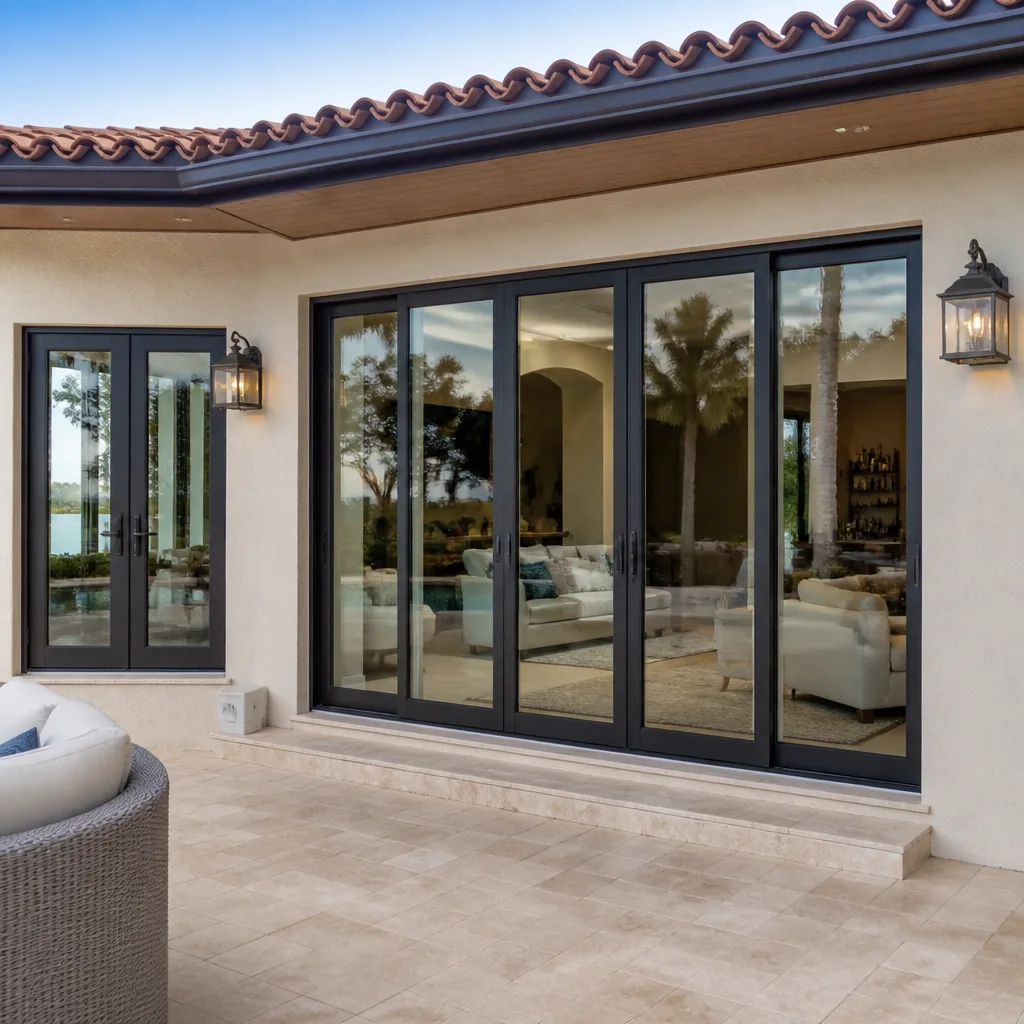
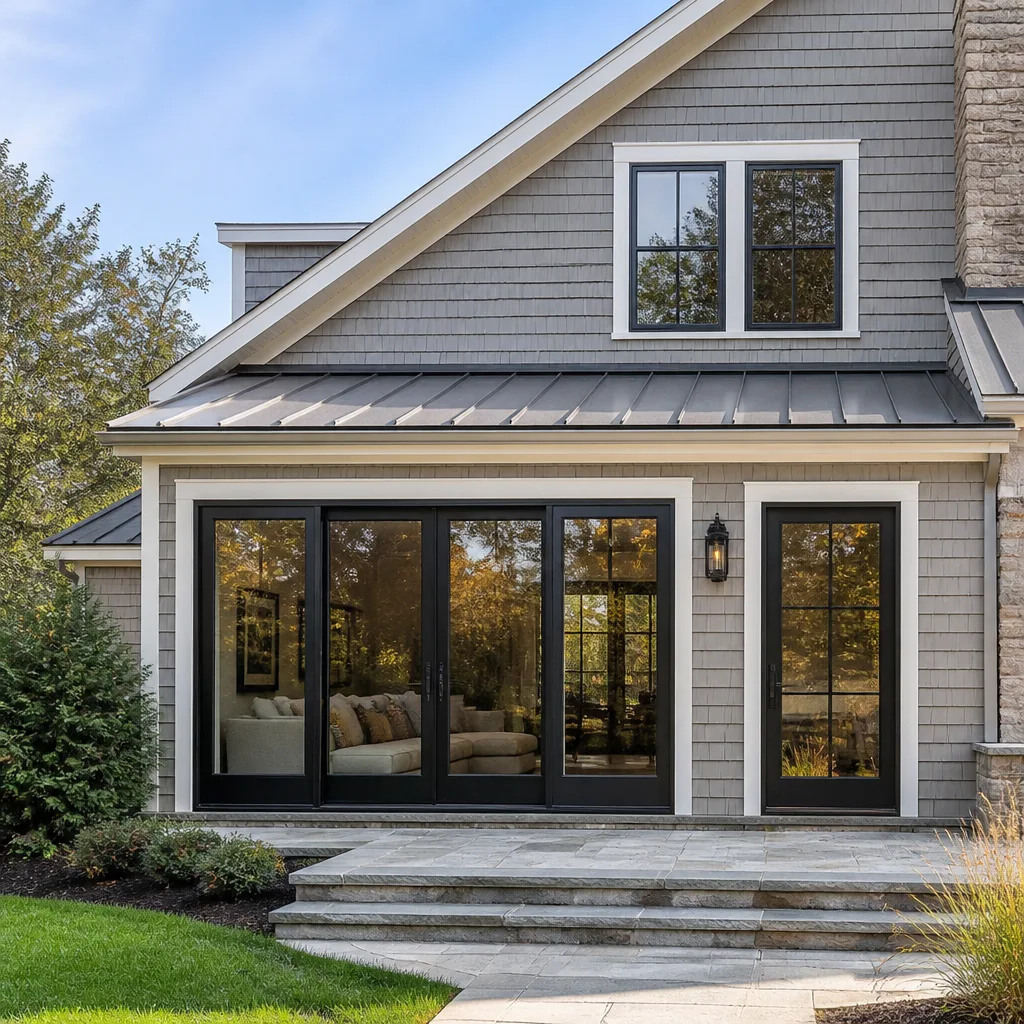
- Sliding glass patio door: $2,400 to $5,800 installed, depending on width and glazing. Larger openings push the ceiling higher.
- French or multi-panel patio door: $3,800 to $8,500 installed. Typically custom or semi-custom; lead times run four to eight weeks.
Fifteen percent of the door replacement calls we handle in Boulder City come from a patio door that binds in July. That’s a thermal-expansion story, not a mystery: an improperly shimmed track or a frame set with insufficient room for movement will get pinched as the door heats up. Fiberglass and properly engineered aluminum-clad systems handle that movement better than unengineered vinyl. Mr-Glass and CWS both make door systems worth including in a side-by-side comparison for this climate.
Boulder City permits, codes, and inspections: what to expect
Boulder City permits residential window and door replacements as a Category 2 alteration: a building permit is required when three or more openings are being replaced at once, and any structural change to a rough opening requires a permit regardless of count. The fee typically runs $90 to $220 based on opening count, and inspection follows the standard framing and flashing sequence – rough-in open, then final once sealing and finishing are complete.
Two specifics catch people out. First, any door replacement in an exterior wall that touches a sleeping room requires verification of egress clearances at inspection; the door must clear the specified opening width and height, so a “close enough” measurement will fail. Second, window replacements in the historic district overlay may need design review approval if the exterior appearance changes to a material not in keeping with the original construction – this is more relevant on the older homes around the historic district than most homeowners expect.
Inspectors in Boulder City are thorough and prompt, which is good news for a homeowner whose contractor has done the work correctly. We walk every job through the permit process before the truck leaves the driveway, because a job that fails inspection isn’t done. If you’ve been told “we don’t need a permit for windows,” that’s a contractor problem, not a code exemption.
How long does a window or door project take?
A single door or one to three windows is a one-day project. A whole-home window replacement (12 to 20 openings) typically runs two to four days on-site, plus a four-to-eight week lead time between order and installation for standard lines, and longer for custom or semi-custom orders.
- Week 1: Measure and order. Measure twice, place order, file permit. Permit approval typically takes three to ten business days for residential.
- Weeks 2 to 6: Manufacturing lead time. Standard sizes four to six weeks; custom orders six to twelve weeks. This is the biggest schedule variable.
- Weeks 6 to 8: Installation. One to four days on-site depending on count.
- After installation: Inspection and warranty registration. Final inspection typically scheduled within a week of job finish. Warranty paperwork registered in writing before the job file closes.
The single biggest timeline risk is a missed dimension at order, which is why our technicians measure every opening twice and confirm dimensions with you before submitting. It’s a small delay at the front that saves a six-week reorder at the back.
Common Mistakes to Avoid
- Comparing bottom-line totals instead of line-item bids. Two bids that look different by $2,700 can be identical once exclusions are priced – or can differ by $4,000 in ways the total hides.
- Accepting a bid without solar heat gain coefficient listed. In Boulder City’s summer, that number is either working for you or costing you on the cooling bill every August.
- Letting a contractor skip the permit. Unpermitted work fails at resale, at insurance, and at a warranty claim; there’s no shortcut here worth taking.
- Choosing the cheapest vinyl on price alone without running the 20-year math. Vinyl is fine in moderate climates; Boulder City’s thermal cycling is where the story turns.
- Skipping the stucco repair line item. On older homes near the historic district, cracking during removal is common enough to budget for it upfront.
- Failing to confirm both warranty layers in writing before the job closes. Manufacturer warranty plus workmanship warranty, registered, with durations stated – no exceptions.
- Letting the cheapest bid win without asking what’s not on the page. A bid that doesn’t name a line item will name it at the end.
See the difference
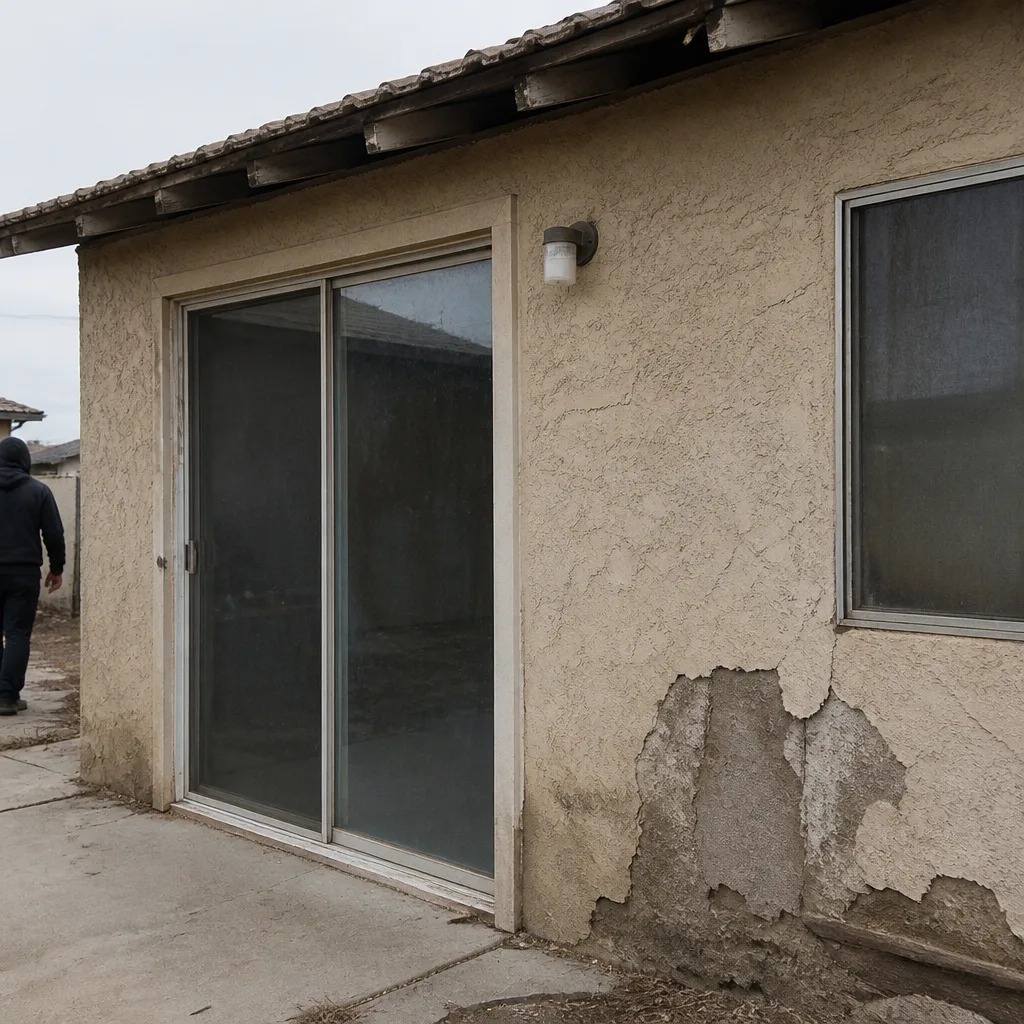 Before
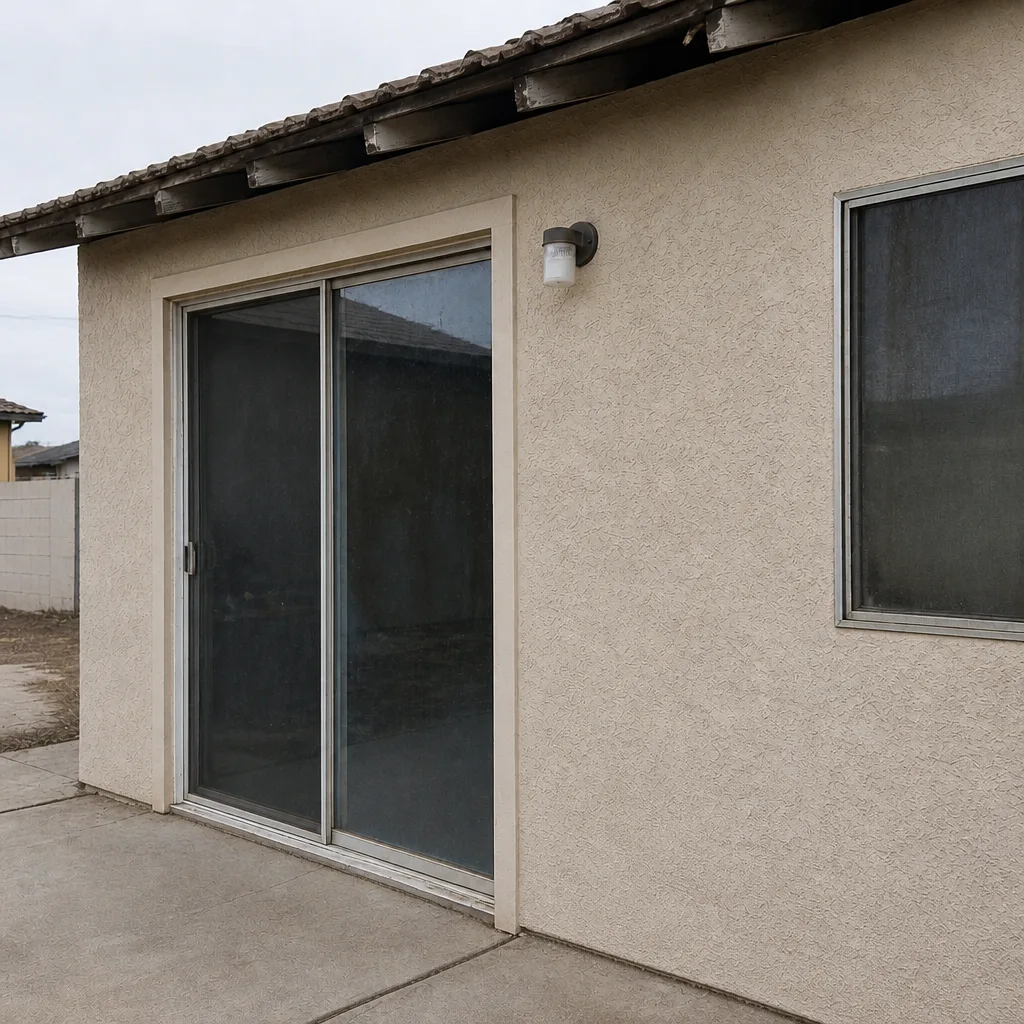 After
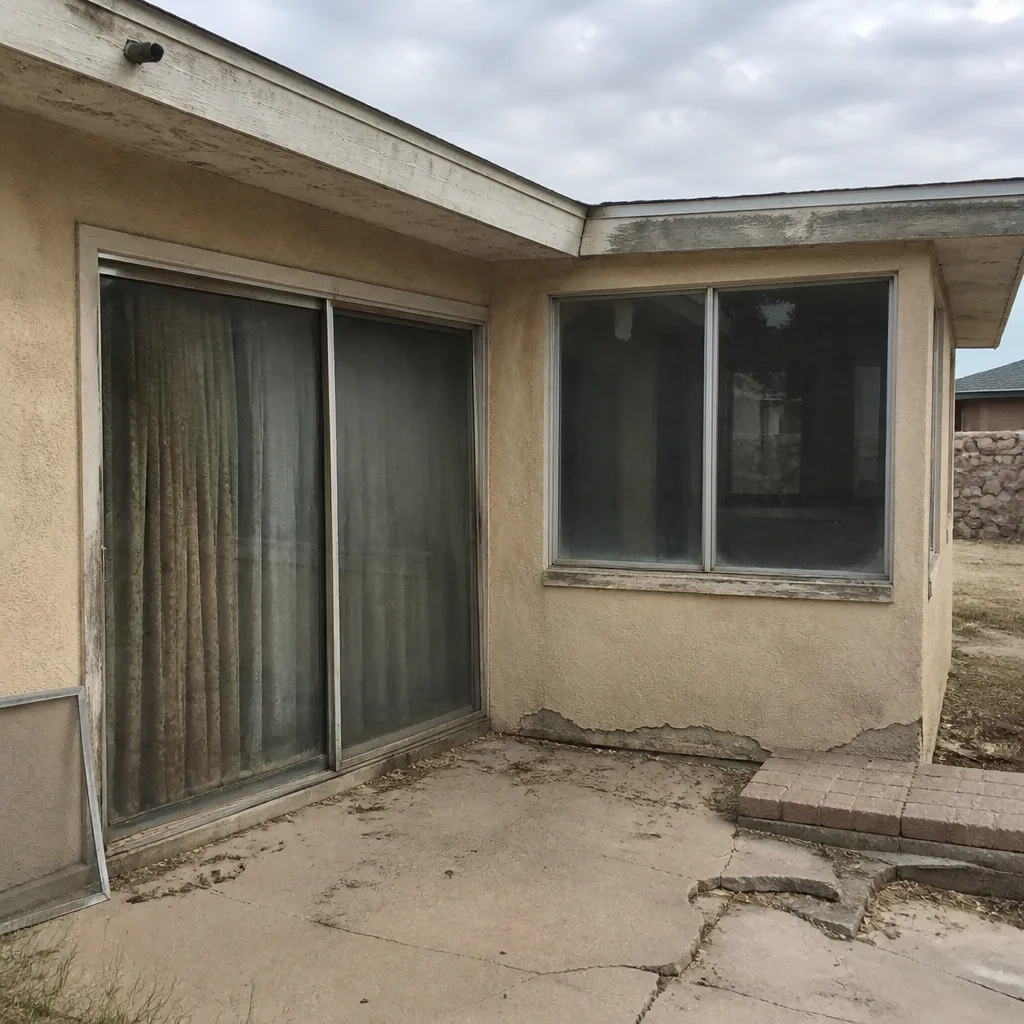 Before
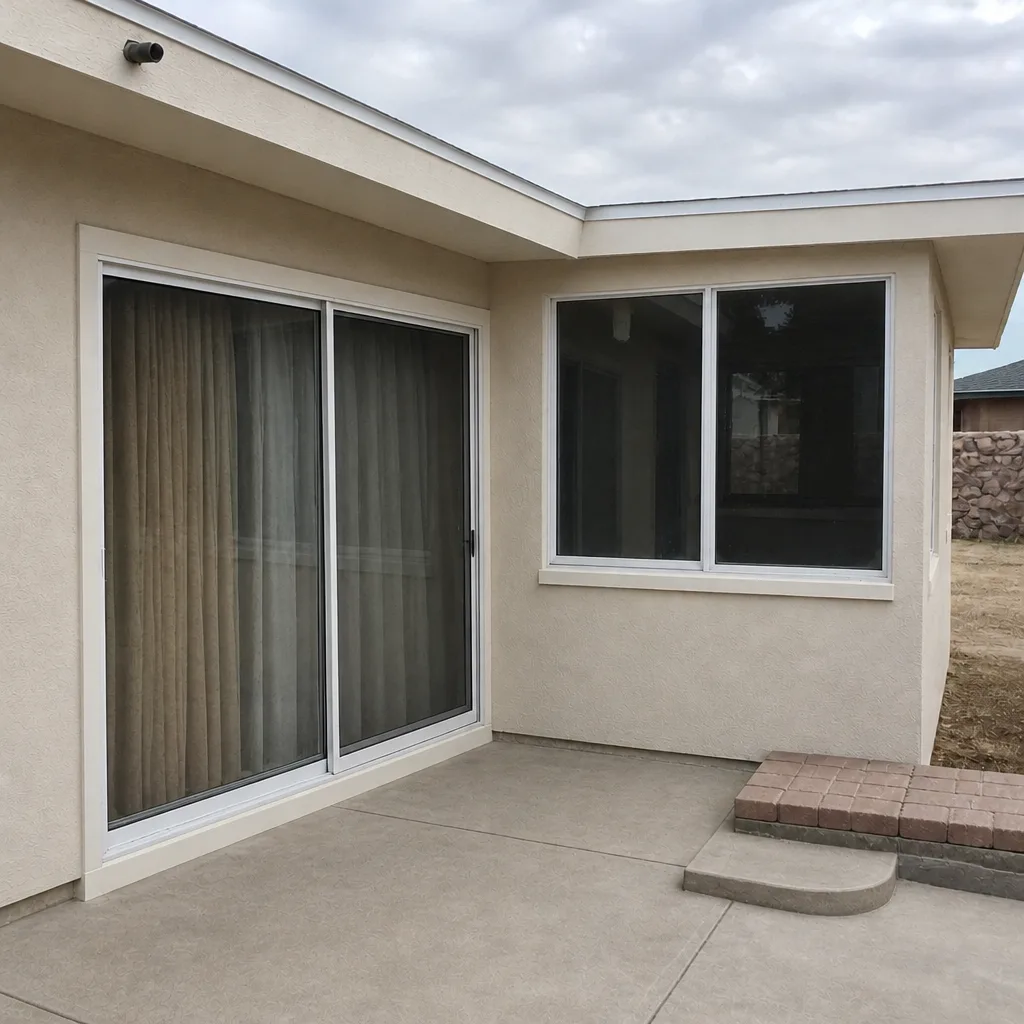 After
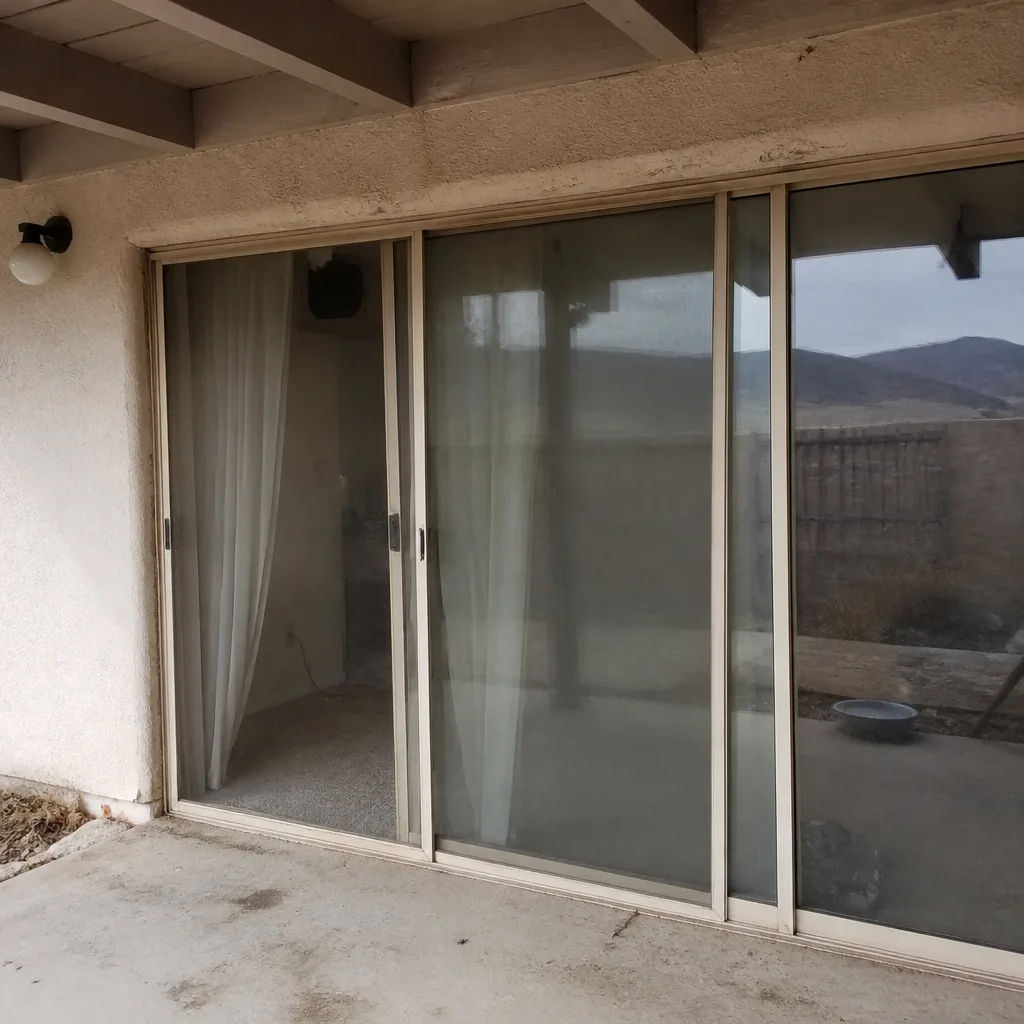 Before
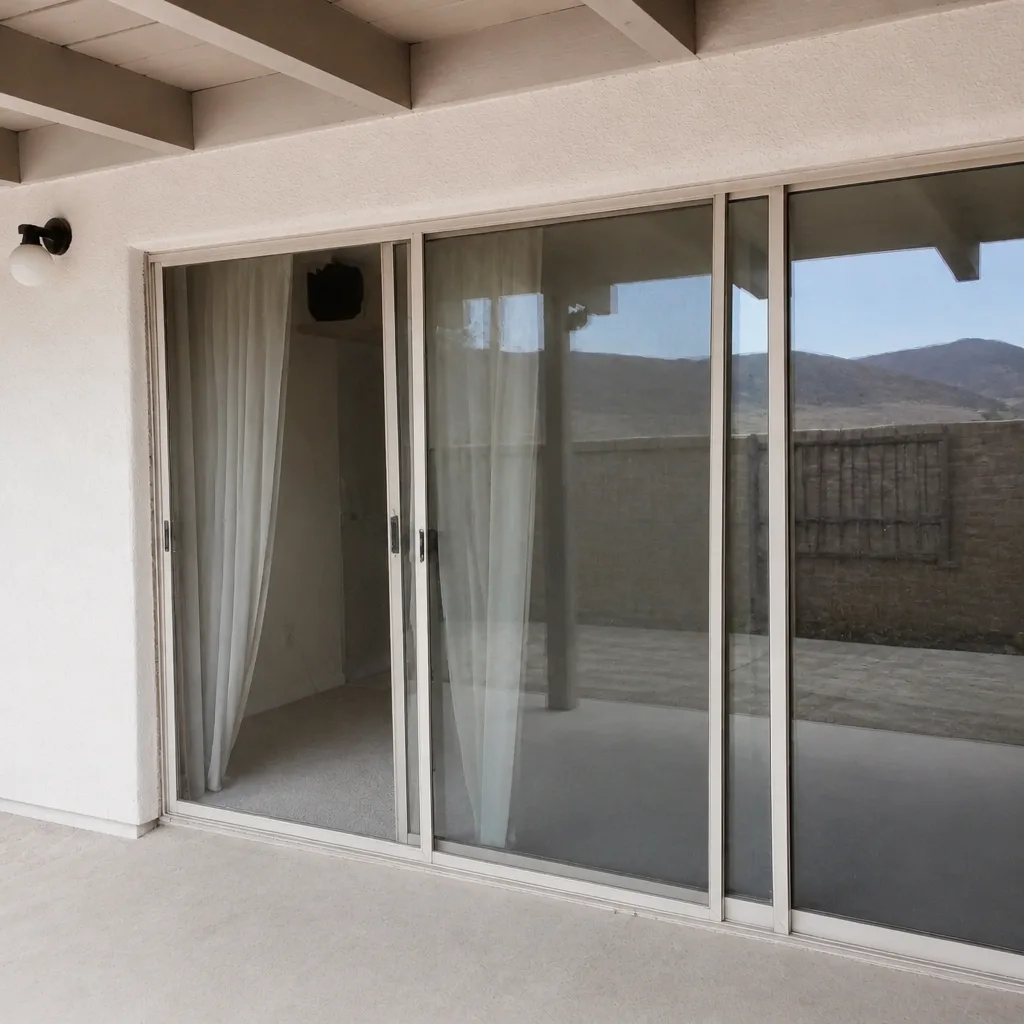 After
When to Call a Professional
Any exterior opening is structural, and getting the flashing, shimming, and sealing wrong is a leak waiting for its first rain. Call a professional if: your home is more than fifteen years old and you’re replacing windows for the first time, if any window is failing to close or seal in summer, if a door binds through part of the year, if you’re considering impact-rated glass, if any opening is in a historic district overlay, or if a prior installer skipped a permit or warranty registration. We see failed seals, warped sashes, and warranty gaps from previous installs on a regular basis in Boulder City, and all of them are fixable when they’re caught early. TruePane Windows & Doors Boulder City offers free estimates in Boulder City – call (844) 560-0350 to schedule yours.
Frequently Asked Questions
A single-window replacement in Boulder City typically runs $850 to $1,600 fully installed in 2026. Whole-home projects average $740 to $1,100 per opening once labor savings are bundled. That’s higher than the $400-to-$900 national average because it includes Mojave-rated glazing, permit fees, and the labor premium in a market with limited contractor competition. Call (844) 560-0350 for a line-item estimate specific to your openings – estimates are free.
Not with a properly written bid. Our pricing is fixed with no change orders, provided the openings measure out as bid and no unmatched structural rot appears behind a wall. If something unexpected turns up – cracked framing, missing flashing from a prior install – we show you the issue with a photo, quote the fix for your written approval, and proceed only after you sign off. Call (844) 560-0350 for a written line-item quote.
Yes. We pull the permit, coordinate inspection, and include the permit fee as a visible line item on every bid. A Boulder City residential window or door permit runs $90 to $220 based on opening count. Any contractor who tells you no permit is needed for a Boulder City window replacement is either uninformed or hoping you won’t check. Call (844) 560-0350 to talk through your project.
Two to four days on-site for a whole-home window replacement, plus four to eight weeks between order and installation for standard lines. Custom or semi-custom orders can take six to twelve weeks. Permit approval runs three to ten business days, and final inspection is typically scheduled within a week of job completion. Call (844) 560-0350 for a schedule tied to your specific openings and product line.
Yes, over time. Vinyl expands and contracts more than fiberglass under the daily thermal swing in a desert climate, and after 12 to 18 years that movement often shows up as warped sashes, sticking tracks, and failed seals. It’s not a contract-with-the-devil situation; a vinyl window set correctly will last a long time – it just won’t last as long as fiberglass in this climate. Call (844) 560-0350 if you want to see a side-by-side of the two in your home.
Yes. Impact-rated glass packages are available on both windows and doors in Boulder City, and they carry a modest price premium over standard glazing – typically 15 to 25 percent per unit. For most Boulder City homeowners the primary value is security and glass strength rather than storm protection; for those with specific needs, impact-rated packages from manufacturers like PGT and CGI are worth pricing alongside the standard lines. Call (844) 560-0350 for a line-item comparison.
The Bottom Line
Boulder City window and door pricing in 2026 runs above national averages for three reasons – desert-rated glazing specifications, municipal permit fees, and a longer-tail contractor market – and none of them are a scam. Expect $850 to $1,600 per window installed on single-window work, $740 to $1,100 per opening on whole-home projects, and $1,200 to $3,200 for an entry door. Read every bid line by line: unit, glazing, permit, labor, disposal, stucco repair, warranty registration. If a contractor won’t itemize those seven lines, that’s your answer. Choose the bid that prices every line and stands behind the work in writing, not the bid that wins on the bottom line.
TruePane Windows & Doors Boulder City has been installing, replacing, and servicing windows and doors across Boulder City for over 42 years of community service, backed by the 90-Day Done Right Promise and The Keystone Standard: both warranty layers registered in writing, durations stated, before we close the job file. We quote manufacturer lines side by side on paper so you can see exactly what you’re buying, and every job is handled by background-checked, uniformed technicians with up to 18 years of experience. Call (844) 560-0350 for a free line-item estimate on your Boulder City project – a live person answers every call, 24 hours a day, seven days a week.
Written by the team at TruePane Windows & Doors Boulder City.