
Last updated November 18, 2026
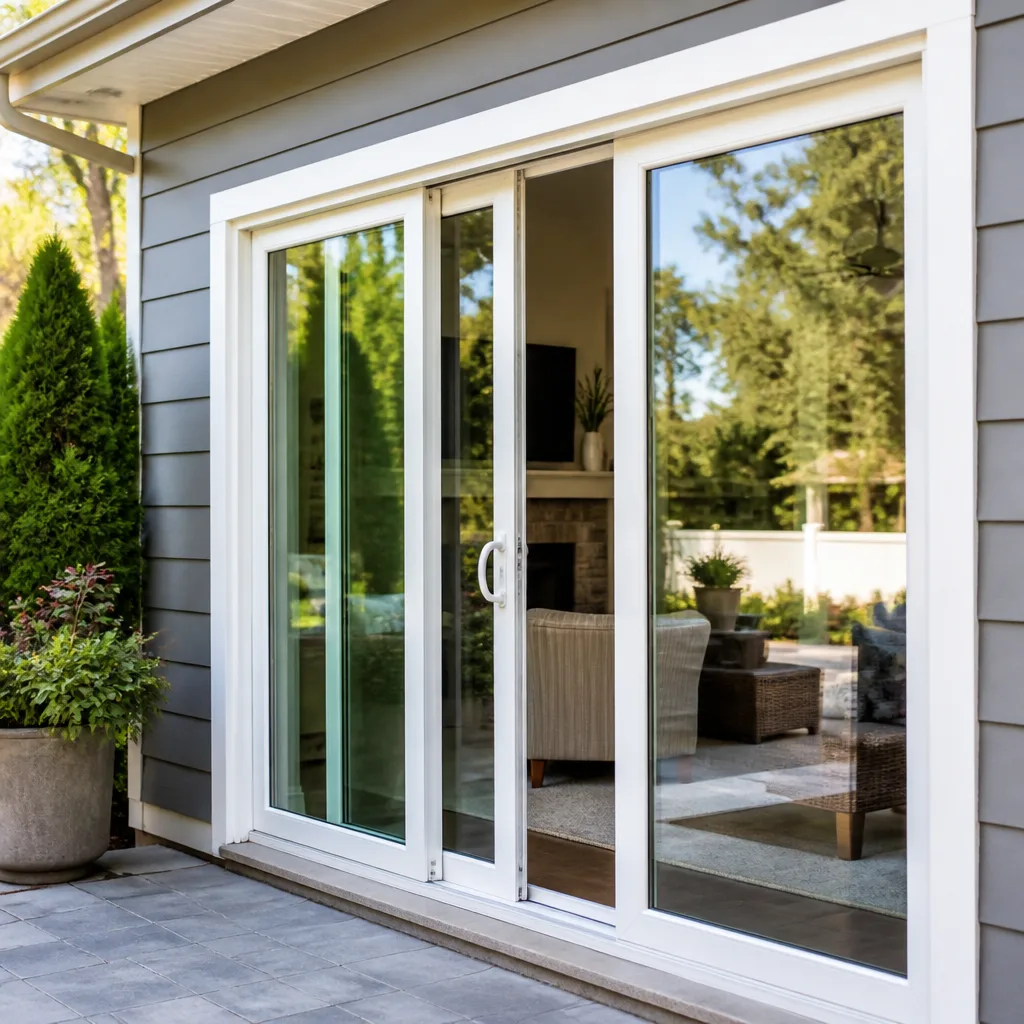 Sliding glass doors
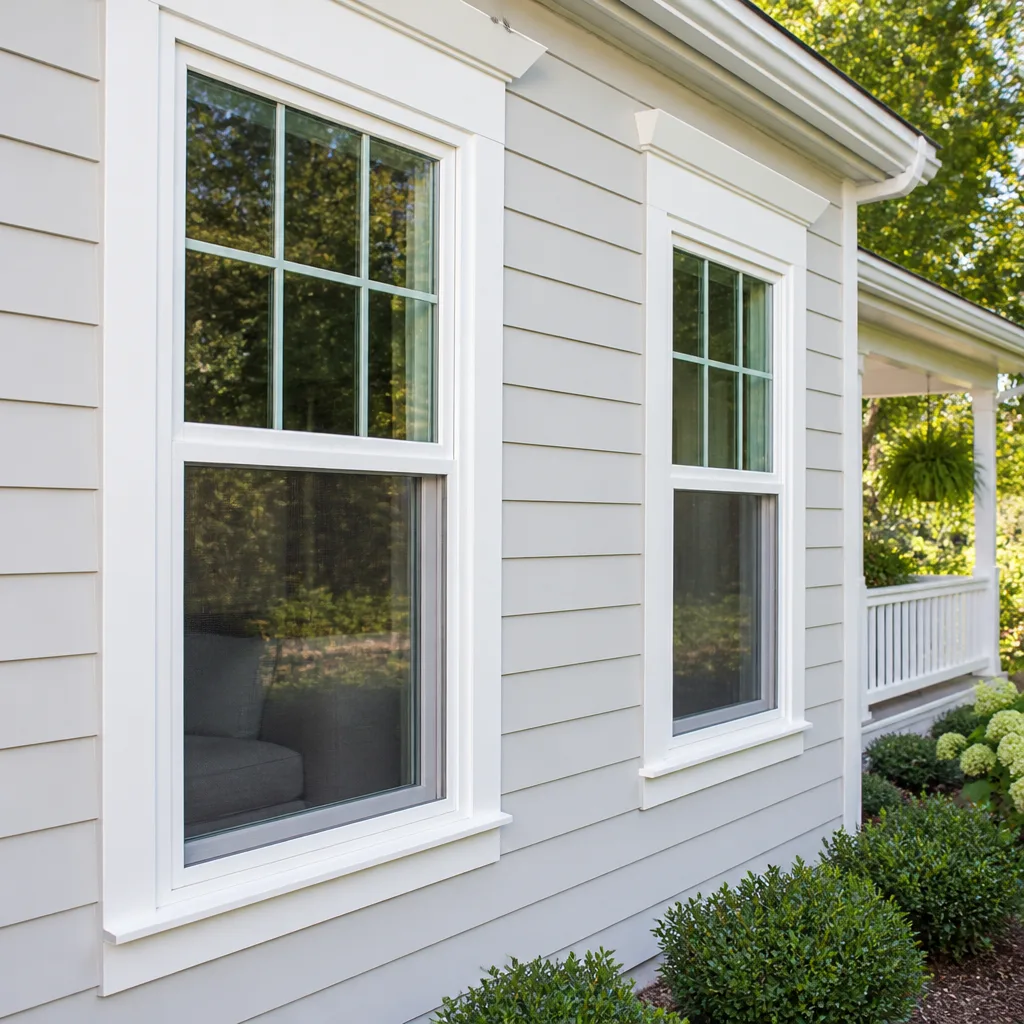 Single hung
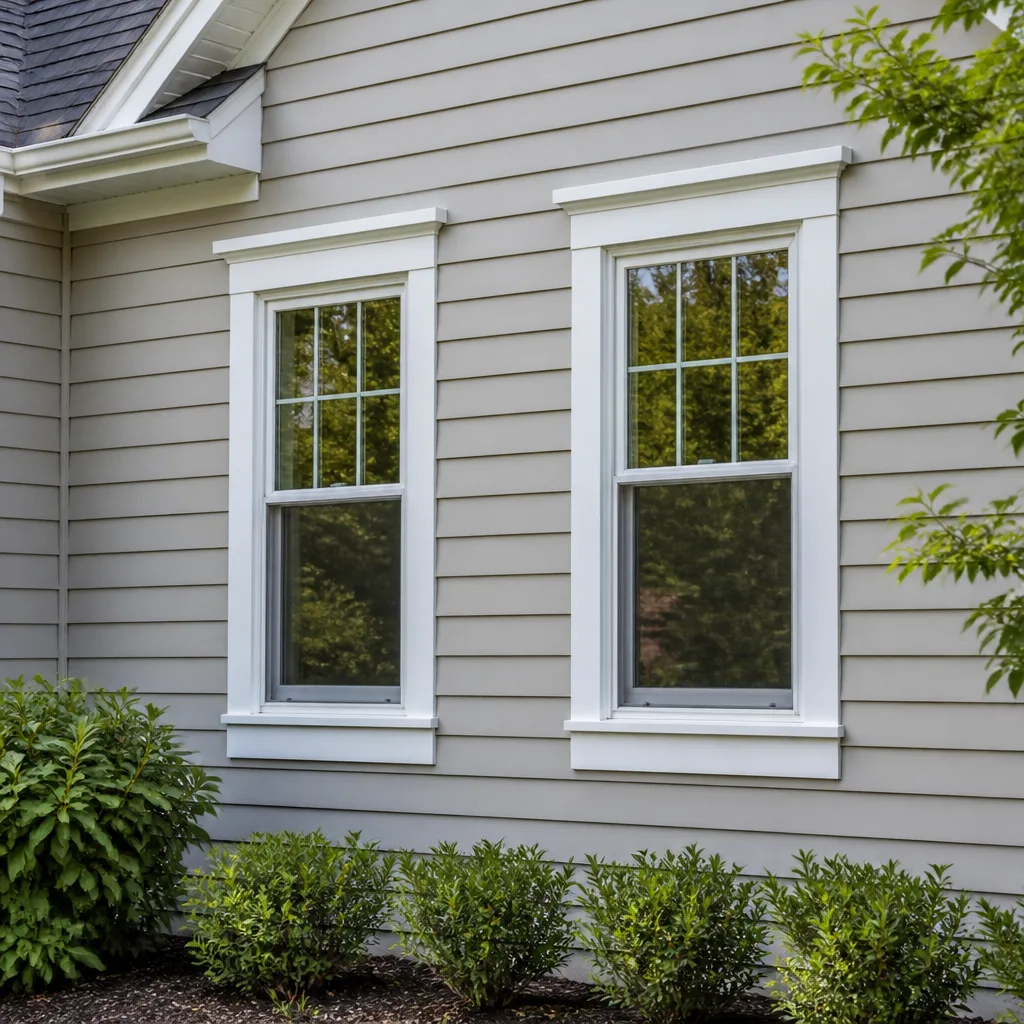 Double hung
 Horizontal roller
 Casement
 Bay & bow
 Entry doors
 Impact garage doors
 PGT
 CGI
Free in-home measure and quote - PGT, CGI and CWS impact lines compared on your actual openings, style by style
Get your free estimateSeasonal Windows & Doors Care for Boulder City: Year-Round Homeowner’s Guide
The window damage Boulder City homeowners discover in October was almost always set in motion in June. Sealant that softened under 115-degree surface heat on a south-facing frame, then never re-bonded correctly before the monsoon arrived with its pressure swings and driving rain, will fail quietly all summer. By fall, you’re looking at a fogged pane, a swollen sill, or a door that suddenly won’t latch. This guide walks through the real seasonal calendar here in Boulder City – pre-monsoon preparation, monsoon response, post-monsoon reset, winter care for the river-corridor cold, and year-round glass maintenance that protects low-E coatings – so you can catch problems at the right time instead of paying for them later.
Quick Answer
Seasonal window and door care in Boulder City runs on three real markers, not four seasons: pre-monsoon prep in May through June (inspect, reseal, check drainage), monsoon response July through September (watch for water intrusion at sills and head flashings), and a post-monsoon reset in October, followed by winter care aimed at the cold air that pools down from the river corridor. Get those three checkpoints right each year and your windows and doors will hold up far longer than the generic spring-and-fall advice most guides hand out.
Styles & brands we work with
- Single hung
- Double hung
- Horizontal roller
- Casement
- Bay & bow
- Sliding glass doors
- Entry doors
- Impact garage doors
- PGT
- CGI
Table of Contents
- Why Boulder City’s Climate Breaks the Standard Care Calendar
- Pre-Monsoon Preparation: What to Inspect and Reseal in May and June
- Choosing Sealants That Survive Boulder City’s UV Load
- Monsoon Season Response: Sill Leaks vs. Head Flashing Leaks
- Post-Monsoon Reset: Weep Holes, Hardware, and Sealant Assessment
- Winter Care for the River-Corridor Cold
- How to Test Whether Your Low-E Coating Is Still Performing
- Year-Round Glass Care That Preserves the Manufacturer Warranty
Why Boulder City’s Climate Breaks the Standard Care Calendar
Most homeowner guides on window and door maintenance are written for a climate that has four roughly equal seasons. Boulder City does not. We’re sitting at about 2,500 feet in the Mojave, at the gateway to Hoover Dam, and the year breaks down differently than a care guide built in Ohio or the Pacific Northwest assumes.
The real markers here are heat, monsoon moisture, and cold air draining down the river corridor. Summer surface temperatures on dark window frames and door slabs regularly climb well beyond the official air temperature – a west-facing aluminum frame can read north of 140 degrees in July. That’s hot enough to soften many common sealants and stretch vinyl weatherstripping past its elastic limit. Then the monsoon arrives in July and August with sudden pressure drops, wind-driven rain, and afternoon downpours that can drop more water in thirty minutes than a typical winter month. The pressure changes alone stress a marginal seal.
By late fall, the seasonal pattern flips. Cold air settles down from the Colorado River corridor and pools in the lower parts of town overnight, so the low reading in Boulder City can feel sharper than the valley floor. That nightly cycling – hot daytime, cool overnight – is what pushes wood doors to bind in one season and rattle in another, and what slowly works sealant loose along the sill.
So the calendar we work to here has three active checkpoints (May-June, July-September monitor, October reset) and one winter-specific checklist. Following them in order, every year, is what keeps windows and doors in a Boulder City home functioning for the long run.
Pre-Monsoon Preparation: What to Inspect and Reseal in May and June
May and June are the most valuable maintenance weeks on the Boulder City calendar, because once the monsoon arrives in early July, you’ve lost the window to fix anything that needed fixing in dry weather. Resealing during a monsoon break is unreliable – the surface is never dry long enough and the joint has moisture trapped behind it. Do the work in the dry heat.
Here is the practical pre-monsoon checklist we recommend every spring:
- Walk the exterior of every window and door with a hose-less eye, not a hose. Look for cracked sealant beads, gaps at the frame-to-stucco joint, loose or bubbling caulk, and any dark streaks on the wall below a sill. Dark streaks mean water has been traveling – that’s priority one.
- Press a thumb into the sealant at three or four points per opening. If it dents easily or feels soft, it has already lost its bond to the substrate. Soft sealant in May is a leak by August.
- Check weep holes on every window and sliding door track. Weep holes are the small slots that let water drain out of the sill track. If they’re packed with dust, sand, or old debris, water has nowhere to go but into the wall. Clean them out with a stiff wire or a vacuum nozzle.
- Operate every operable window and door fully open and closed. Note any drag, chatter, or latch that hesitates. Fixing a mechanism is cheaper than replacing it after a season of forcing it.
- Inspect door sweeps and threshold weatherstripping. If light shows under the door, so will cold air in January and dust in July.
- Reseal joints that failed the thumb test using a UV-stable exterior sealant rated for high-heat exposure in desert climates. Let it cure fully over several dry days.
This is also the right month to take stock of anything you already know is at the end of its life. A pre-monsoon inspection is a fair time to price out a window replacement in Boulder City if a unit has fogged glass, a failed seal, or a frame that’s cracking – fixing a failing window before the rain is cheaper than dealing with water intrusion after it.
Choosing Sealants That Survive Boulder City’s UV Load
Sealant choice matters more in Boulder City than the label on the tube will tell you. The generic big-box caulk sold as “exterior grade” is often formulated for a temperate climate with mild sun exposure – it may hold up fine in Seattle and fail in two summers here. UV intensity at this latitude and altitude, combined with frame surface temperatures that push past 140 degrees, breaks down sealants that weren’t built for it.
What holds up:
- High-performance polyurethane sealants rated for exterior use in high-heat, high-UV climates. These handle both the heat cycling and the movement at the frame joint far better than basic acrylic caulk.
- Silicone sealants rated for exterior desert use on metal frames and glass-to-frame joints, where flexibility and UV resistance matter most.
- Manufacturer-specified sealants on any window or door still under its surface warranty. This is the one that matters most – using a generic sealant on a branded window like PGT or CGI can void the manufacturer’s warranty on the seal itself.
What to skip:
- Basic acrylic latex “exterior” caulk on west- or south-facing joints. It typically cracks within one or two summers under Boulder City sun.
- Any sealant that comes off the tube with a strong solvent smell and dries rigid. Rigid sealant cracks at the joint when the frame expands in the heat.
- Sealant applied over failing or wet sealant. It won’t bond correctly.
If you’re not sure which product is right for a specific window line, ask before you buy. A quick call to a company that installs these units for a living is cheaper than redoing the job in September. If any single opening is repeatedly losing sealant, it’s a sign the frame or flashing is the real problem, and that’s a job for a window installation in Boulder City rather than another round of sealant.
Monsoon Season Response: Sill Leaks vs. Head Flashing Leaks
When water shows up around a window during monsoon season, the first job is figuring out where it entered. There are two common paths – the sill at the bottom and the head flashing at the top – and they need completely different remedies. Patching the wrong one wastes money and leaves the actual problem in place.
Sill leaks
Water entering at the sill tracks differently than water entering at the head. Sill leaks typically show as:
- A wet or soft spot on the interior wall directly under the window
- Water pooling in the sill track itself during a rain event
- Dark staining or bubbling paint below the window
- Visible daylight under the sill plate or a gap between sill and frame
Sill leaks are usually a drainage problem, not an entry problem. Water is getting in somewhere higher up, running down inside the wall, and pooling at the sill because the weep holes are blocked or the sill pan is missing or installed wrong. The remedy is to clear weep holes, confirm the sill pan exists and drains forward, and replace any failed sealant at the sill-to-frame joint. If the sill pan is absent or degraded, the fix requires pulling the window – not a caulk job.
Head flashing leaks
Head flashing leaks show as:
- A water stain at the top interior corner of the window, or on the drywall above it
- Water streaks traveling down from above the window frame, not up from below
- Visible gaps, cracking, or lifting at the top exterior joint of the frame
- Rust on the head flashing metal itself, if you can see it
Head flashing failures mean rain is getting behind the window from above – the flashing isn’t shedding water forward. The remedy is to reset or replace the head flashing, re-tape the flashing membrane, and reseal the joint once the substrate is dry. This is not the kind of fix that can wait until the season ends. Once head flashing fails, every monsoon storm pushes more water into the wall cavity, and that moisture is what causes interior mold and structural damage later.
If you’re not confident where water is entering, don’t guess at a sealant remedy. Call a professional who will trace it properly – a two-hour inspection now is much cheaper than replacing rotted sheathing next spring.
Post-Monsoon Reset: Weep Holes, Hardware, and Sealant Assessment
October, once the monsoon moisture has cleared, is the reset month. Every window and door in your home just went through its hardest six weeks of the year. This is the moment to catch problems before the colder overnight cycling of winter digs them in.
The October checklist:
- Clear every weep hole again. Even if you cleared them in May, monsoon dust and wind-driven grit re-pack them. A blocked weep hole full of standing water is a slow leak waiting for the next rain.
- Wipe down every sill and track and dry it thoroughly. Standing moisture left in tracks through winter is what rusts sliding door rollers.
- Operate the hardware on every window and door. Check latches, cranks, tilt mechanisms, and locks. Anything that sticks or needs force gets cleaned and lubricated with a silicone or dry-film lubricant, not grease.
- Inspect sealant that survived the season. The thumb test again: if the sealant is soft, cracked, or has pulled away from the frame, replace it now, in dry weather, before the first cold snap. Do not wait until spring.
- Check for glass that has fogged or developed a dark edge between the panes. That’s a seal failure inside the duel-pane unit (IGU), and it can’t be repaired – the unit needs replacing.
- Note any door that has started to bind or drag. Doors that move freely in July and bind in December are telling you the frame is responding to temperature and humidity changes, which is a threshold and hinge adjustment, not a replacement.
An honest post-monsoon assessment will usually tell you whether a window is a “reseal and move on” or a “replace next season” case. If it’s a replace, better to plan it during the dry fall than to find out in July. We work with more than a dozen manufacturer lines including Andersen, Pella, Marvin, Therma-Tru, PGT, and CGI, so a side-by-side quote on paper is straightforward.
Winter Care for the River-Corridor Cold
The overnight cold that settles down from the Colorado River corridor is a distinctive part of living in Boulder City. It means the temperature swing on a winter night can be sharper than the raw forecast suggests, and it produces two specific stresses on doors and windows.
Door threshold adjustment and wood movement
Wood door slabs and wood door frames expand in the summer humidity and contract in winter’s dry cold air. That’s why a wood door that swings freely in July suddenly binds in December – the slab has shrunk just enough that the lock no longer strikes cleanly, or the hinge side has pulled away from its jamb. This is a normal wood movement issue, not a door failure. The fix is usually an adjustment to the threshold, hinges, and strike plate – not a replacement.
If the door binds in summer and rattles in winter, that’s a bigger swing, and it often signals that the frame is out of square or the threshold is worn. It’s worth calling for an inspection. If it turns out a door has reached the end of its service life, a professional door installation in Boulder City can reset it correctly for the local climate rather than guess at the gaps.
Winter weatherstripping and sweep check
Cold air finds door sweeps and weatherstripping faster than anything else. Two-minute check once a month through winter:
- Shine a flashlight along the bottom of every exterior door from the inside. Any visible light is a gap that needs new sweep or threshold seal.
- Run a hand along the edges of the door jamb – any cold draft means the weatherstripping has flattened or pulled loose.
- Check sliding door tracks for debris that keeps the panel from seating fully against the seal.
These are inexpensive fixes that pay back all winter in comfort, and they protect the frame from the moisture cycling that comes when warm interior air keeps hitting cold surfaces.
How to Test Whether Your Low-E Coating Is Still Performing
A simple infrared thermometer tells you what the glass is actually doing, not just what the label said when it was installed. This is one of the few maintenance checks a homeowner can do without any special tools beyond a $20 non-contact thermometer.
The test, run on a sunny day in midmorning or midafternoon:
- Pick a window with direct sun exposure and a clean interior surface. Note its compass direction – we want a south- or west-facing unit.
- Measure the surface temperature at the interior face of the glass with your infrared thermometer, holding it a few inches from the pane. Write down the reading.
- Measure the interior face of an adjacent wall a foot from the window, or the interior face of a north-facing window for a comparison reading.
- Compare the two. A working low-E coating on a south- or west-facing window will feel noticeably cooler than the surrounding wall in the heat of a summer day because it’s reflecting solar gain back out. In winter, the same coating will read noticeably warmer than the surrounding wall because it’s keeping interior heat in.
If your west-facing window reads as hot as or hotter than the adjacent wall in July, the coating has likely degraded, or it’s not actually low-E. If a window that used to feel cool in summer now feels hot, that’s a strong signal it’s time to look at a window replacement in Boulder City with a modern low-E or spectrally selective coating. Don’t trust a single reading – repeat over a few days to see the pattern.
Year-Round Glass Care That Preserves the Manufacturer Warranty
Low-E and spectrally selective coatings are engineered to reflect specific wavelengths back out. They’re also delicate. Abrasive cleaners, ammonia-based glass products, and rough cloth can scratch or etch the coating surface – and most manufacturer warranties explicitly exclude damage from improper cleaning. The safe routine is short and cheap.
The right way to clean glass with a low-E coating:
- Use a soft microfiber cloth or a natural chamois, not paper towels or abrasive sponges.
- Use a pH-neutral glass cleaner or plain water with a drop of mild dish soap. Skip ammonia-based products, vinegar, and any cleaner designed for heavy-duty stains.
- Wipe gently, in circles, without scrubbing force on any baked-on marks. If something doesn’t come off easily, soak it with water and let it soften rather than scrubbing.
- Wipe the exterior glass on a west- or south-facing window when it’s cool to the touch, not in direct midday sun. Sudden cold cleaner on hot glass can stress the pane.
- Keep glass and seals clear of pool chemicals, mineral cleaners, and stucco-cleaner overspray – all of these can etch coatings and void warranties.
If you’re unsure which coating your window carries, ask before you clean it or let anyone else clean it. A company that installs these units – and registers both manufacturer warranty layers in writing before the truck leaves the driveway, which is what we do on every job – can tell you which warranty applies and what cleanser the manufacturer allows. That’s the whole point of registering the paper properly: if a claim ever comes up, the answer is in the file, not in an argument.
Common Mistakes to Avoid
- Resealing a window during the monsoon. Sealant applied to a wet or damp joint will not bond correctly and will fail faster than the sealant it replaced. Wait for a dry stretch or accept the temporary fix and schedule the real repair for October.
- Using generic “exterior” caulk on a west- or south-facing joint. The heat load on those frames in Boulder City climbs past 140 degrees on a summer afternoon, and sealants that aren’t rated for it crack by the end of the second season.
- Cleaning low-E glass with ammonia-based cleaner. Ammonia can attack the coating over time and is excluded under most manufacturer warranties as improper care. It’s one of the most common ways homeowners accidentally void a coating warranty.
- Assuming a fogged window is a caulk problem. Fogged glass means the seal inside the double-pane unit has failed. Resealing around the frame doesn’t fix it – the unit itself needs replacing.
- Waiting until spring to deal with a winter-binding door. A wood door that binds in December is telling you something – the frame has moved, or the threshold has worn. Waiting until spring means you spend winter with a door you have to slam to close.
- Ignoring the dark streaks below windows. Black staining or bubbling paint below a sill means water has been traveling behind the wall cavity. That’s not a cosmetic issue; it’s the early signature of head flashing failure.
- Skipping the fall weep hole cleaning because you did it in spring. The monsoon packs sand, dust, and grit into weep holes and tracks. What was clear in May can be blocked by August.
See the difference
 Before
 After
 Before
 After
 Before
 After
When to Call a Professional
Some seasonal maintenance is a homeowner job – clearing weep holes, wiping sills, running the infrared thermometer check, wiping exterior glass. But certain findings should bring in a trained technician rather than a ladder and a tube of sealant:
- Any water intrusion that returns to the same place after resealing. That’s a flashing or drainage failure, not a caulk failure.
- Any fogged glass in a double-pane unit. The seal is gone and the unit needs replacing.
- Any door that binds, rattles, or drafts even after threshold and weatherstripping adjustment.
- Any window frame that shows cracking, rot, or visible separation from the wall.
- Any window or door you suspect is still under manufacturer warranty. Call before you touch it – manufacturers require certain handling on warranty claims, and unauthorized repairs can void them.
TruePane Windows & Doors Boulder City offers free estimates in Boulder City – call (844) 560-0350. A live person answers the phone 24 hours a day, 7 days a week, and every technician is background-checked, uniformed, and trained to measure before they recommend. If you just want a second opinion before your monsoon prep starts, we’ll be there when we say.
Frequently Asked Questions
May and June, before the monsoon. Sealant needs a fully dry surface and several dry days to cure, and the pre-monsoon weeks are the last reliably dry stretch of the year. If you miss that window, October – after the monsoon has passed – is the next best time. Avoid resealing during the monsoon in July and August unless it’s an emergency repair you plan to redo in October.
If you’re not sure whether a joint needs resealing or something more, call (844) 560-0350 for a free estimate.
The label from the manufacturer or the installation paperwork will say so directly, and if you don’t have that, an infrared thermometer reading on a sunny day tells you – a working low-E coating on a west-facing window in Boulder City will read noticeably cooler than the adjacent wall in summer and warmer in winter. If the glass reads as hot as or hotter than the wall in July, either the coating has degraded or the window isn’t low-E.
If you want confirmation on a specific window, call (844) 560-0350 and we’ll do a free estimate that includes checking.
Wood moves with temperature and humidity. The door slab and frame expand in the hot months and contract in the cold dry months, so a door that’s perfectly aligned in July can shrink enough to rattle in January. A threshold adjustment and, if needed, a hinge and strike plate adjustment usually fixes it. If the door still binds after those adjustments, the frame is out of square and it’s worth a professional look – call (844) 560-0350 for a free estimate.
At least twice a year: once in May before the monsoon and once in October after it. If your home is near open desert or a dusty lot, monthly through the summer helps. Blocked weep holes are one of the most common causes of water intrusion we’re called to inspect, and they’re one of the cheapest things to prevent.
If a weep hole is blocked and water has already intruded, call (844) 560-0350 for a free estimate.
Yes, it matters a great deal. Water entering at the sill usually means the weep holes or sill pan are the issue, and the fix is drainage-side. Water entering at the head flashing means rain is getting in from above and the fix is on the flashing, up top. Treating a head flashing leak with a sill fix wastes money and lets water keep entering the wall cavity. If you can’t tell where the water is coming in, call (844) 560-0350 for a free estimate before you do anything else.
It can. Most manufacturer warranties on low-E and spectrally selective windows exclude damage from improper cleaning, and ammonia-based or abrasive cleaners are the most common culprits. Use a pH-neutral glass cleaner or water with a drop of mild dish soap and a soft microfiber cloth. If you’re unsure which cleaner is safe on your specific window, call (844) 560-0350 and we’ll tell you what the manufacturer allows – and if we installed it, we can pull the registered warranty in writing.
The Bottom Line
Boulder City’s seasonal window and door care calendar is driven by heat, monsoon, and river-corridor cold – not four equal seasons. Work the three real checkpoints each year: pre-monsoon prep in May and June, active observation through the monsoon in July and September, and a full reset in October. Then use winter to catch threshold, sweep, and low-E performance issues before they turn into replacement costs. Use a UV-rated sealant on any joint that sees real sun. Keep ammonia and abrasives away from low-E glass. And when water shows up somewhere it shouldn’t, don’t guess at a tube of caulk – get someone who will trace it properly and register the manufacturer warranty in writing before leaving the driveway.
We install and service windows and doors in Boulder City for homeowners who plan to stay in their homes – and we’ve built every part of the way we work around that, from side-by-side manufacturer quotes on paper to a 90-Day Done Right Promise and both warranty layers registered before we leave. If a check turns up something you can’t fix with a hose and a rag, call TruePane Windows & Doors Boulder City at (844) 560-0350 to schedule your free estimate. A live person answers 24 hours a day, 7 days a week.
Written by the team at TruePane Windows & Doors Boulder City.